What Metals Are Mixed With Gold and Why Alloy Recipes Matter
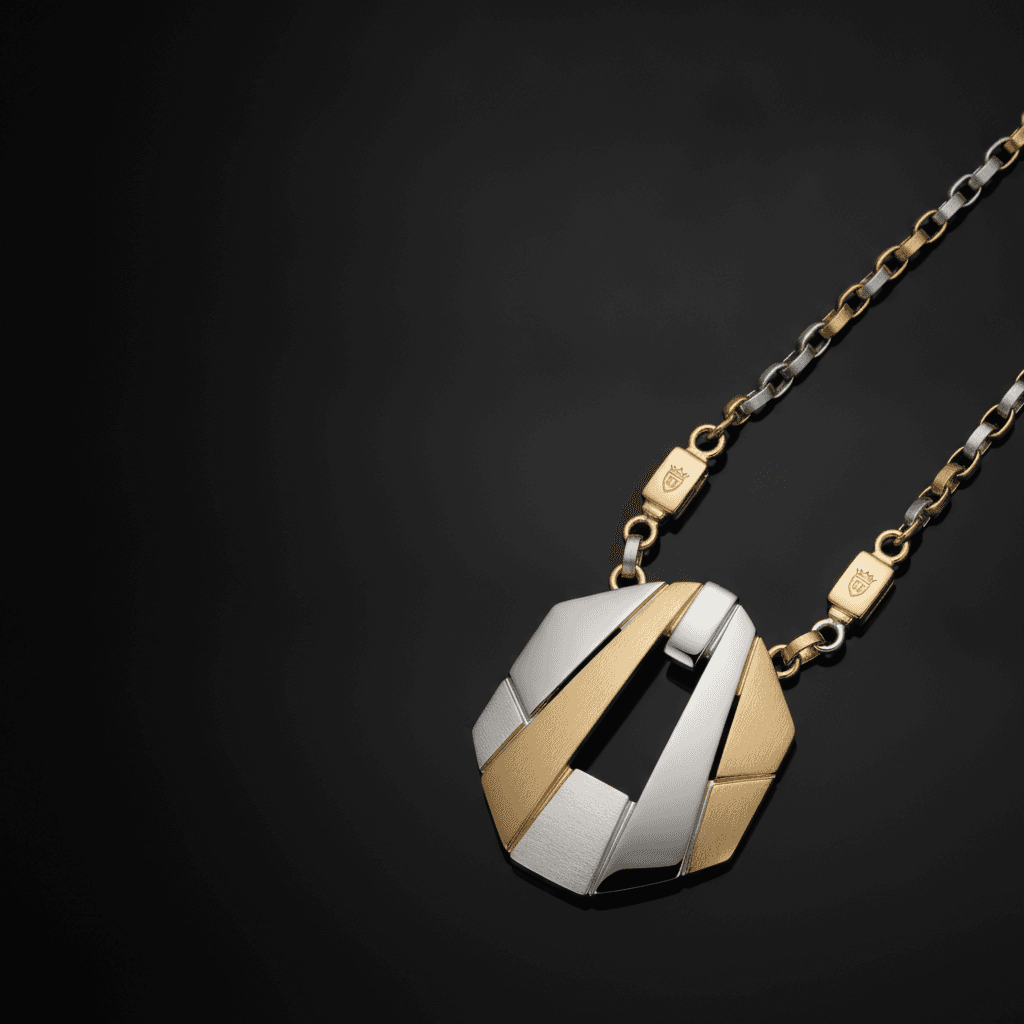
Most gold jewelry is an alloy: gold mixed with one or more other metals. The gold proportion may be stated by a karat or millesimal fineness mark, but that mark does not reveal the complete recipe. Two 18K rings can both contain 75 percent gold and still differ in color, workability, surface finish, wearer compatibility, and response to repair.
This page focuses on the non-gold part of the recipe and how manufacturers use it. For a direct proportion and marking comparison, read 10K vs 14K vs 18K vs 24K gold.
Why jewelers alloy gold
Pure gold is soft, so jewelry manufacturers often mix it with other metals to increase hardness and make it more practical for many designs. Alloying can also change color, casting behavior, forming behavior, soldering choices, and the type of finish a workshop can produce.
“Harder” does not mean indestructible. A ring’s resistance to bending, scratching, cracking, or wear depends on the exact alloy, heat treatment, manufacturing method, thickness, geometry, joins, and use. Karat alone cannot rank every piece. A substantial, well-made higher-karat band may outlast a thin lower-karat one even though the alloys differ.
The recipe also has to suit production. An alloy optimized for casting small repeated parts may not behave like one chosen for hand fabrication, chain making, or stone setting. Repair solder and replacement findings can add local composition differences.
Yellow gold alloys retain a warm color
Yellow gold jewelry commonly combines gold with metals such as silver, copper, and sometimes zinc. The proportions vary by karat, manufacturer, region, and desired shade. More copper can push a recipe warmer; silver can move it toward a paler yellow or greenish direction. Those tendencies are not formulas that identify an alloy from a photograph.
A yellow surface does not guarantee that the piece is an unplated yellow-gold alloy. Gold-plated base metal, gold-filled material, vermeil, surface enrichment, lighting, and camera processing can produce a similar appearance. Use a quality mark, construction evidence, seller description, and suitable testing together.
Rose and red gold use copper for color
Rose gold receives its pink-to-reddish appearance primarily from copper in the alloy. GIA’s consumer explanation describes rose gold as a mixture of gold, copper, and silver, with color changing as their proportions change. Commercial recipes are not all identical, so labels such as rose, pink, and red describe a color family rather than one exact composition.
Do not infer karat from redness. A 14K alloy can look paler or redder than another 14K alloy, and an 18K rose alloy can still have a visible copper-influenced shade. Finish, tarnish on non-gold components, adjacent stones, and lighting alter perception.
Copper-rich color can also appear in solder seams or repaired sections where the local alloy differs. That observation may justify closer examination, but it does not prove a repair or a false mark by itself.
White gold is an alloy category, not one metal
White gold is gold alloyed with metals selected to reduce its yellow appearance. Commercial systems may use nickel-based or palladium-based recipes, often with additional metals for manufacturing performance. The exact composition should come from the manufacturer or analysis, not from the word “white.”
Many white-gold pieces receive a bright white rhodium-family surface finish. As that thin finish wears, the underlying alloy may look warmer or grayer. That color change can be normal coating wear rather than base metal showing through. Replating changes the surface appearance but does not change the karat of the underlying gold alloy.
If you have a known metal sensitivity, ask the seller for the specific alloy and coating information before purchase. “Nickel-free” or “palladium white gold” should be documented as a product claim; color alone cannot verify it.
Green, gray, and other shades need precise labels
Changing the non-gold metals can produce greenish, gray, pale, or other tones. Some unusual historical recipes contain metals that current manufacturers avoid or restrict. A color name should never stand in for a complete material disclosure, especially when safety, repair, or conservation is at issue.
Black gold sold in jewelry may obtain its appearance from a coating, controlled surface treatment, or specialized alloy system. Ask whether the color extends through the metal or is a surface layer, how it should be cleaned, and whether refinishing is available. A coating can wear at edges even when the underlying gold fineness claim is accurate.
What the karat mark does and does not disclose
A karat mark states the gold proportion on a 24-part scale. It does not name the remaining metals, identify plating, describe solder, guarantee a whole multi-part object, or predict durability. A millesimal mark such as 750 similarly states a fineness claim in parts per thousand without providing the recipe.
FTC consumer guidance also distinguishes karat gold from plated, gold-filled, rolled-gold, and vermeil constructions. Read all nearby words and symbols. A fraction, plating abbreviation, maker or responsibility mark, and marks on separate components can change the interpretation.
CIBJO maintains current precious-metal terminology through its live Industry Standards Resources and Precious Metals Book. Use the current standards hub instead of relying on a downloaded copy with an old filename, since industry documents can be revised.
How alloy choice affects repair and care
Before resizing, soldering, laser welding, polishing, or replating, a jeweler needs more than an assumed karat. Color matching depends on the alloy and finish. Heat can affect some alloys, stones, treatments, and previous joins. A white-gold repair may also require restoring a surface coating so the repaired section matches.
Routine care should account for every material in the piece. A cleaner that is acceptable for plain gold may be unsafe for pearls, turquoise, opal, enamel, adhesive, or an intentional surface treatment. Wear patterns at high points can reveal a coating boundary, but abrasive polishing may erase that evidence.
Questions to ask about a gold alloy
- What is the stated karat or millesimal fineness?
- Which metals make up the rest of the alloy?
- Is the color intrinsic to the alloy or created by a coating?
- Are the solder, clasp, post, and other findings the same alloy?
- Has the piece been plated, repaired, or refinished?
- What care and repair restrictions apply to the stones and finish?
- Can the seller document claims about nickel, palladium, recycled content, or origin?
An alloy recipe explains material behavior better than a color name alone. Keep the gold proportion, non-gold metals, construction, and surface finish as separate facts.
Want more jewelry knowledge?
Download our app for quizzes, care guides, and AI identification