Why Silver Tarnishes: Chemistry, Color Stages, and Clues
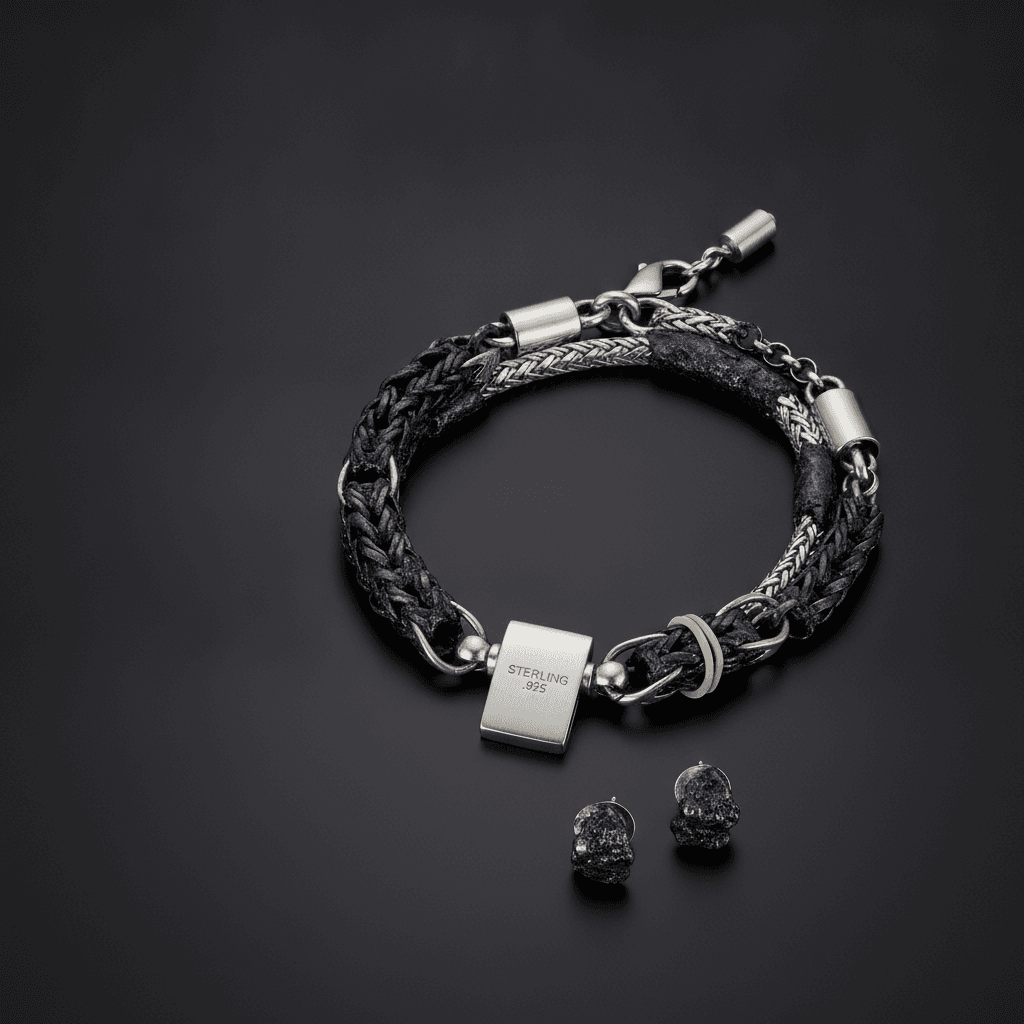
Silver tarnish is a surface reaction between silver and sulfur-containing gases in the surrounding air. On pure silver, the main dark product is silver sulfide. Sterling silver can also form copper sulfide because the alloy contains copper. The layer may look yellow, red-brown, blue, gray, or black as it develops.
Those colors explain a chemical and optical process. They do not provide a home authenticity test. Genuine silver can tarnish, silver plate can tarnish, and unrelated metals can discolor for other reasons.
What chemically happens to silver
The Canadian Conservation Institute identifies hydrogen sulfide as the most common sulfur-containing gas involved in silver tarnish. When reactive sulfur reaches a silver surface, silver sulfide forms. Sterling silver has another reactive metal in the alloy, commonly copper, so its tarnish can contain copper sulfide as well.
This is different from iron rust. Tarnish is a reaction layer on the surface; its appearance and behavior depend on the metal, alloy, contaminants, environment, and previous cleaning. Fingerprints can produce uneven patches because handling transfers salts and oils. Surface residues can also create local patterns.
The reaction does not require visible dirt. Very low concentrations of sulfur-containing gases can darken silver over time. A clean object left in an unsuitable display case can tarnish, while a frequently worn piece may stay brighter because friction continually changes the surface.
Why tarnish changes from yellow to black
Early silver tarnish is a very thin film. Light reflects both from the top of that film and from the silver beneath it. The two reflected paths interfere with each other, leaving different colors visible at different film thicknesses. This is called thin-film interference.
CCI describes an early progression from yellow through red-brown to blue as the tarnish layer grows from roughly 10 to 100 nanometres. Above about 100 nanometres, the layer appears black, which is the inherent color of silver sulfide. The sequence is not a clock. Lighting, surface texture, layer uniformity, alloy, and viewing angle affect what a person sees.
A rainbow edge or blue patch is therefore not necessarily a coating or heat stain. It may be an interference color from a thin tarnish film. Conversely, a black area is not proof that a piece contains silver. Other materials and residues can also appear black.
Which environments speed the reaction
Tarnish rate depends heavily on sulfur-gas concentration. The familiar hard-boiled egg demonstration works because heated egg protein releases hydrogen sulfide. It shows the chemistry dramatically, but deliberately exposing jewelry to eggs is not a sensible identification test and may introduce residues into settings or porous materials.
Potential sulfur sources in collections and homes include some rubber products, wool and felt, protein-based glues, certain paints, polluted air, and some foods or water. The source may be close to the jewelry even when the room itself seems clean. A storage insert, elastic band, foam, fabric lining, or adhesive can create a small local environment.
Relative humidity also affects the rate. CCI reports faster tarnishing as relative humidity rises for a given hydrogen sulfide concentration and recommends dry conditions below 50% relative humidity for silver storage in its conservation guidance. That threshold is a preservation target, not proof that every home must operate like a museum.
Why some areas darken before others
Uneven tarnish can follow contact, airflow, moisture, and surface history. Recesses may retain dark material because they receive less rubbing or polishing. High points may stay bright from wear. A fingerprint can leave a recognizable pattern. Areas close to rubber, felt, cardboard, or an adhesive may react differently from exposed metal.
Plated objects add another variable. A thin silver surface can tarnish while wear exposes a different base metal at edges and high spots. Solder joins, replacement findings, and mixed-metal decoration can each develop a different color. Map the pattern before cleaning; the pattern may help explain construction even though it cannot settle the metal identity by itself.
What tarnish can and cannot tell you
Tarnish can support the observation that a surface has reacted in a way consistent with silver, especially when the color progression and location make chemical sense. It can also identify storage problems or show where an object is handled. These are clues, not a fineness measurement.
Tarnish cannot establish:
- whether an item is solid silver or silver plated;
- whether the alloy meets a 925 fineness claim;
- which country, maker, or period produced it;
- whether a stamp is genuine;
- whether a dark layer is original patina, later tarnish, residue, or another corrosion product; or
- the item’s monetary value.
Answer those questions with hallmark context, construction evidence, documentation, and suitable metal testing. Do not apply acids or create a hidden scratch merely to see whether a dark patch changes.
Why polishing changes the evidence
Polishing removes tarnish and also removes some underlying silver. It leaves a scratch pattern, even when the scratches are fine. CCI also notes that freshly polished silver can tarnish more quickly than a surface that already carries tarnish. A dark layer can slow further reaction, which is one reason conservators do not automatically polish every object bright.
Cleaning can erase useful evidence such as wear patterns, old surface finishes, residues near joins, or the contrast that made a repair visible. Before any treatment, photograph the surface and decide whether the goal is identification, preservation, display, or routine wear.
Turn the science into a care decision
If the goal is to slow future tarnish or remove it with the least damage, use the separate silver storage and cleaning guide. It covers sealed storage, safe materials, examination before cleaning, and reasons to avoid aggressive dips or repeated polishing.
The useful lesson from tarnish color is modest: it explains how a thin reaction film develops and where to investigate the environment. It does not convert appearance into proof of authenticity.
Want more jewelry knowledge?
Download our app for quizzes, care guides, and AI identification