Titanium, Tungsten, and Stainless-Steel Rings: What Buyers Should Compare
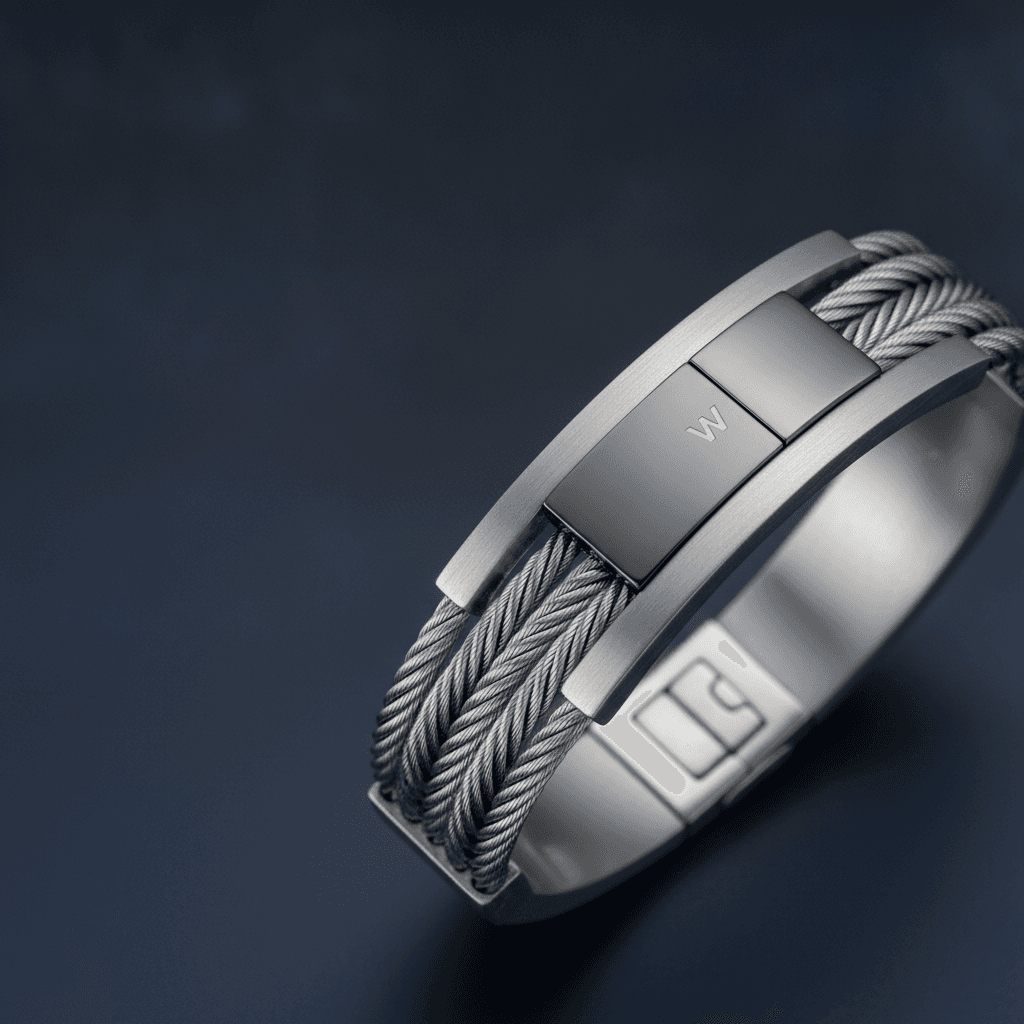
“Alternative metal” is not one material
Titanium, tungsten carbide, stainless steel, cobalt alloys, and ceramics are grouped together in jewelry retail because they differ from traditional gold, silver, and platinum. They do not share one set of properties. Even within a category, grade, binder metals, coating, manufacturing method, and design can change performance.
Ask for the exact material rather than accepting “aerospace grade,” “surgical,” “tungsten,” or “titanium” as a complete specification. Marketing language does not establish an alloy standard, nickel release, gemstone-setting method, or repairability.
Titanium rings
Titanium is valued for high strength relative to weight, corrosion resistance, and a gray appearance that can be polished, textured, coated, or anodized. GIA notes that titanium rings are lightweight and that resizing can be limited. The actual possibility depends on alloy, ring geometry, inlays, settings, and the jeweler's equipment.
Titanium should not be called completely scratch-proof. A finish or coating can mark even when the base material is durable. Anodized color comes from a controlled surface oxide layer and can change where the surface is abraded. Ask whether the maker can refinish, resize, or replace the exact design.
Tungsten carbide rings
Jewelry sold as tungsten is normally tungsten carbide, a hard composite material. Its hardness provides strong scratch resistance in ordinary use, but hardness is not the same as toughness. GIA explains that tungsten carbide can be brittle and may crack or shatter under a hard impact. Most tungsten rings cannot be resized; replacement is often the practical route if finger size changes.
The binder and any coating matter. Ask for complete material information, especially if skin sensitivity is a concern. A ring remaining shiny does not prove its grade, and a low price does not make it unsafe or safe by itself.
Stainless-steel rings
Stainless steel is an alloy family, not a single recipe. Jewelry can be durable, corrosion-resistant, and affordable, but some stainless steels contain nickel. GIA advises people with nickel sensitivities to consider that possibility. “Surgical steel” should be backed by a grade or standard rather than used as an undefined assurance.
Stiff construction and design can make sizing difficult. Surface treatments, colored coatings, inlays, and gemstones add separate maintenance and repair questions.
Resizing and emergency removal
Ask about resizing before purchase, especially for a wedding band intended for long use. Finger size can change, and rings with continuous inlays, complex finishes, or set stones may be difficult to alter even when the base metal is workable.
Do not rely on viral demonstrations claiming one metal is impossible or universally easy to remove. Emergency technique depends on material, ring dimensions, available tools, injury, and trained responders. If a ring is trapping a swollen or injured finger, seek emergency help rather than experimenting with force, heat, power tools, or improvised crushing methods.
People working around machinery, electricity, chemicals, heat, healthcare procedures, or gloves may need workplace-specific guidance about whether any ring should be worn. Durability is not the same as occupational safety.
Skin sensitivity and “hypoallergenic” claims
Material categories often associated with biocompatibility can still be sold as unspecified alloys or combined with different coatings and inlays. Allergic contact dermatitis also has multiple possible causes. A seller's hypoallergenic label is not a diagnosis or a guarantee that no wearer will react.
Ask for the exact composition and every skin-contact component. ASTM F2999 is a consumer-safety specification for adult jewelry that addresses areas including nickel exposure and specified elements, but a seller should provide evidence if claiming compliance. Persistent or recurring rash belongs with a dermatologist.
Gemstones, refinishing, and repair
Hard or rigid materials can limit traditional stone setting and bench repair. Some designs use precious-metal settings, inlays, adhesives, or mechanical assemblies. Ask how a damaged inlay or lost stone is serviced, whether refinishing changes a coating, and whether the maker offers replacement.
The inability to resize or conventionally repair a ring does not make it poor quality, but it changes the ownership plan. Include replacement policy, warranty exclusions, and exact model information in the decision.
A comparison checklist
- Exact material, alloy, binder, coating, and inlay
- Finished weight and comfort at the chosen width
- Scratch, impact, and corrosion behavior without absolute promises
- Resizing range and replacement policy
- Gemstone and inlay repair options
- Skin-contact material documentation
- Workplace and emergency considerations
- Warranty and refinishing terms
The responsible takeaway
Titanium, tungsten carbide, and stainless steel can all make useful jewelry. Choose by documented composition, design, serviceability, and lifestyle—not by claims that one is indestructible, maintenance-free, or universally allergy-safe.
Want more jewelry knowledge?
Download our app for quizzes, care guides, and AI identification