What a Jewelry Appraisal Should Include and How to Choose an Appraiser
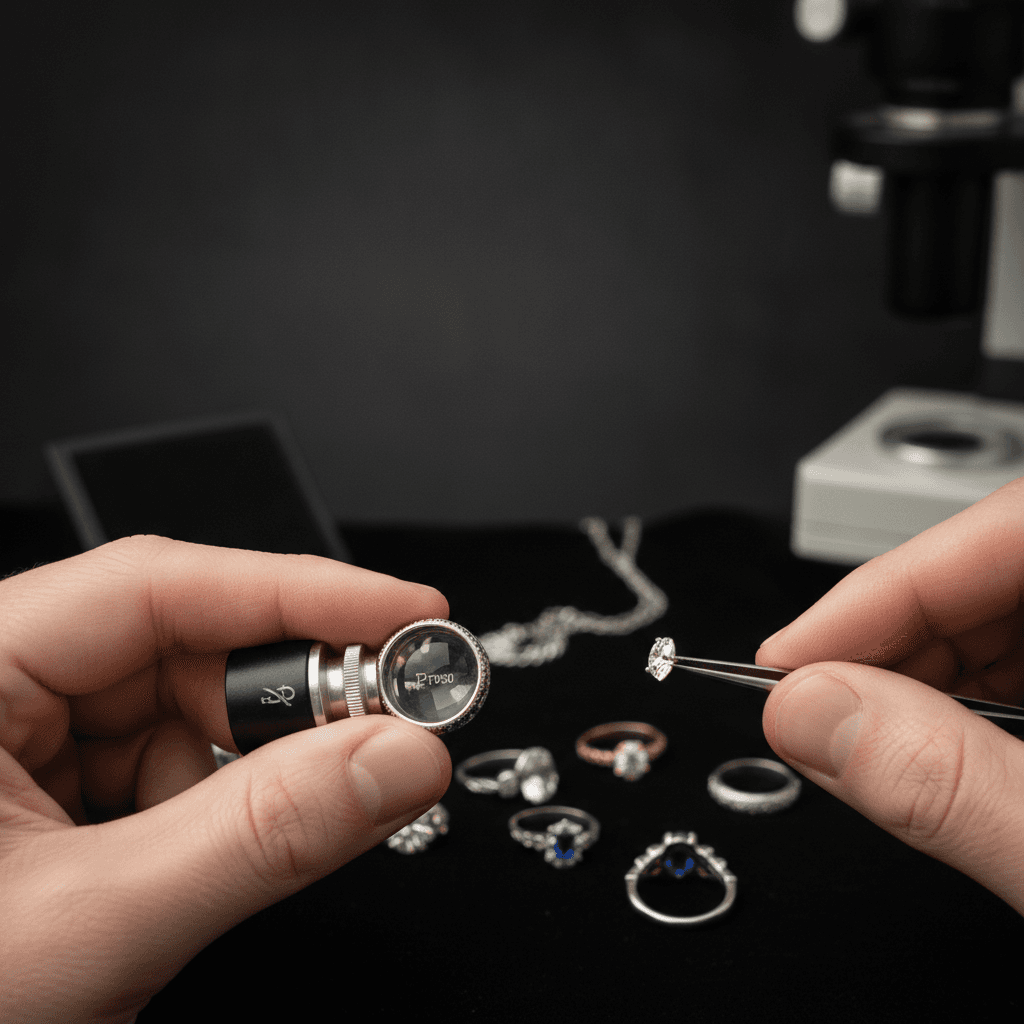
A credible jewelry appraisal is more than a photograph followed by one large number. It should identify the item, state why the valuation was prepared, name the relevant market and effective date, explain the evidence and method, disclose important assumptions, and identify the appraiser’s qualifications. A reader should be able to understand what was examined and how the conclusion was reached.
This page is a report-quality checklist. For a fuller explanation of why retail, resale, insurance replacement, and fair market figures differ, read the guide to jewelry value types.
Define the assignment before the inspection
Tell the appraiser what the report will be used for. Insurance scheduling, estate administration, equitable distribution, a contemplated sale, and a charitable contribution are different assignments. They may call for different definitions of value, markets, dates, documentation, and legal requirements.
The report should state its intended use and intended users. It should also give an effective date, meaning the date to which the value opinion applies. That is not always the date the report is signed. A value conclusion without a named purpose and date is hard to interpret and easy to misuse later.
Ask these questions in writing before commissioning the work:
- What type of value will the assignment address?
- Which market or replacement source will be analyzed?
- What is the effective date?
- Will the item be examined loose or mounted?
- Which tests are included, and which facts will remain assumptions?
- What form of report will you receive?
The item description should let you identify the same piece
The report should connect its conclusion to one specific object. Useful identification normally includes clear overall and detail photographs, dimensions, weight when obtainable, construction, metal marks, maker marks, and a description of each major component. The locations of marks and notable condition features should be recorded rather than summarized as “normal wear.”
Gem descriptions should separate measurements from estimates and laboratory findings. A mounted stone may prevent exact weight, full observation, or some tests. If the appraiser estimates a mounted stone’s weight or assumes a treatment status, the report should say so. A laboratory report number should be transcribed accurately and matched to the item where possible.
Condition belongs in the valuation record. Missing stones, worn prongs, altered components, repairs, chips, plating loss, and replaced clasps can affect both the appropriate comparison and the cost of replacement. A photograph alone may not capture these points.
The valuation section should show its work
Look for a stated definition of value, market context, research date, sources of comparable information, adjustment logic, and final reconciliation. A list of retail advertisements is not automatically a valuation analysis. Asking prices may differ from completed transactions, and two superficially similar pieces can differ in material, condition, maker, documentation, or sale terms.
A report should make clear whether taxes, design labor, a custom setting, retailer services, buyer’s premium, or other costs are included. It should also state limiting conditions. If the conclusion assumes that a gemstone is natural or untreated without testing, that assumption should be visible near the analysis, not hidden in generic boilerplate.
The value should be tied to the effective date. Metal prices, retail availability, exchange rates, auction results, and condition can change. An old appraisal may still document the item, but its value conclusion may no longer answer a current assignment.
A grading report is supporting evidence, not an appraisal
GIA describes its reports as expert statements about gem identity and quality characteristics and explicitly distinguishes them from appraisals of financial value. A grading or identification report can strengthen the description of a diamond, colored stone, or pearl. It does not select a market, research comparable sales, account for the entire jewelry item, or provide a monetary opinion.
The appraisal should cite a relevant laboratory document without pretending that the laboratory set the value. It should also verify that the report belongs to the examined stone. If the item has several stones, custom workmanship, an attributed maker, or important provenance, one center-stone report covers only part of the assignment.
How to choose and interview an appraiser
Ask about education and experience in the specific property type. Expertise in loose modern diamonds does not automatically cover antique jewelry, artist attribution, watches, pearls, or a complex estate collection. Request a sample report with client details removed so you can judge whether the appraiser explains evidence and limitations.
Also ask:
- Which appraisal standards do you follow for this assignment?
- How do you document your market research and comparable evidence?
- Do you buy, broker, or sell jewelry, and how will any potential conflict be handled?
- Is the fee based on time, complexity, or a fixed assignment charge rather than the value conclusion?
- Will you sign the report and provide your qualifications and contact information?
- What happens if laboratory testing or a specialist is needed?
The assignment should make intended use and effective date explicit. The Appraisal Foundation also cautions that a form does not comply with USPAP by itself; compliance belongs to the appraiser’s work. A badge, template, or association membership should not substitute for reviewing the actual scope and report.
Special rules depend on the assignment
Tax, court, probate, and insurance requirements vary by jurisdiction and purpose. IRS Publication 561, for example, covers donated-property valuation in the United States. For a qualified appraisal in that specific context, it lists detailed requirements concerning the property description, physical condition, valuation effective date, method, basis, appraiser, and fee arrangement. Those tax rules should not be copied blindly into every consumer appraisal, but they illustrate why assignment-specific documentation matters.
Ask the insurer, attorney, accountant, court, or other intended user what it requires before the appraisal is prepared. The appraiser should not guess which legal standard applies.
Warning signs in a jewelry appraisal
Pause if the document provides only a high number and a generic description, promises a sale price, uses an undated value, omits condition, or treats a laboratory report as a monetary appraisal. Be cautious when the fee rises with the appraised amount or when the person valuing the item immediately pressures you to sell it to them.
Keep the signed appraisal, photographs, laboratory documents, invoices, and later repair records together. Review the report after a material alteration, loss, market change, or when the intended user says an update is required. The goal is not the largest number. It is a traceable opinion that answers the correct assignment.
Want more jewelry knowledge?
Download our app for quizzes, care guides, and AI identification