Victorian Jewelry: Periods, Motifs, and Identification Clues
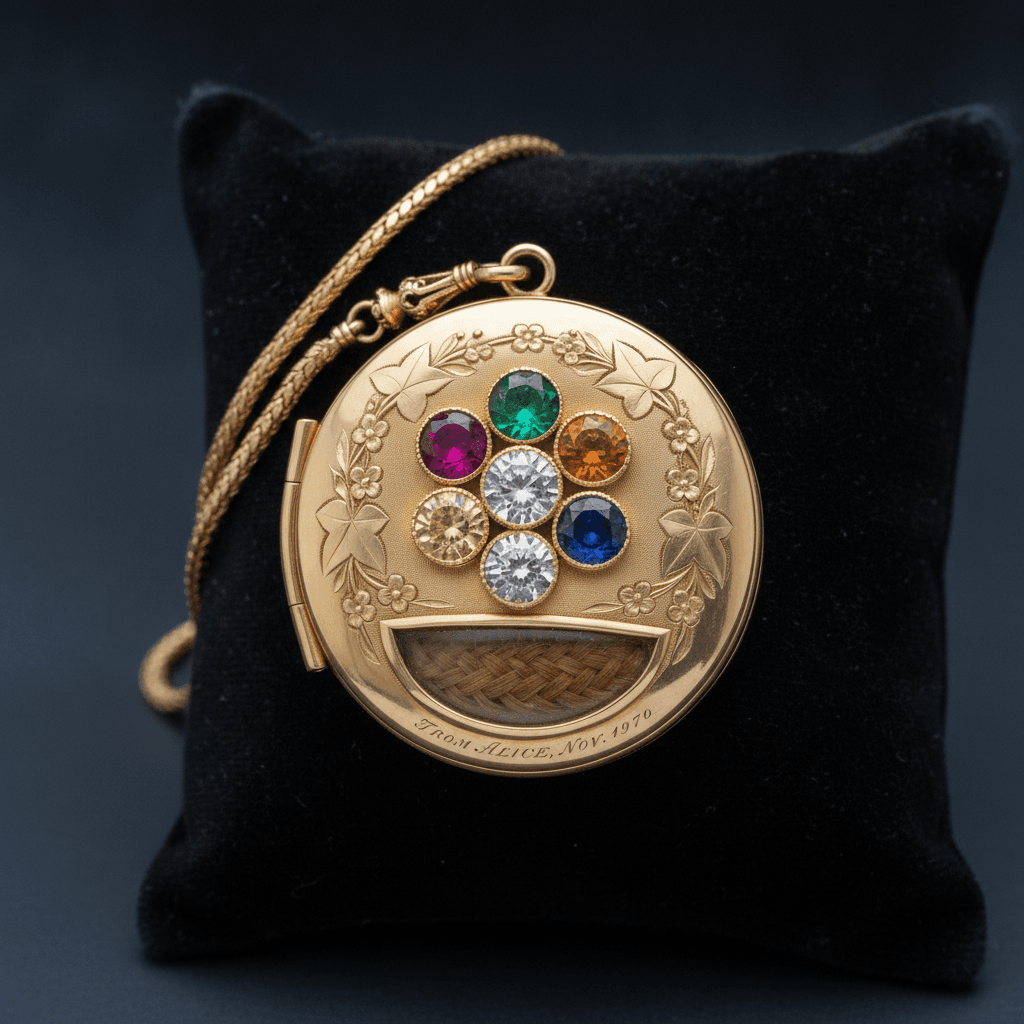
One reign contained many jewelry histories
Victorian jewelry broadly refers to work made during Queen Victoria's reign from 1837 to 1901, particularly in Britain and markets influenced by British fashion. It is not one uniform style. The nineteenth century brought industrial production, expanding trade, historical revivals, archaeological discoveries, changing dress, new materials, and different practices across countries and social groups.
Retail guides often divide the reign into Romantic, Grand, and Aesthetic periods tied to events in Victoria's life. That framework can orient beginners, but dates and labels vary and should not be treated as a definitive authentication system. Museum evidence is better used to examine specific materials, functions, and design currents.
Early and mid-century variety
The V&A describes strong early-nineteenth-century interest in classical antiquity, followed by Medieval, Renaissance, archaeological, and naturalistic revivals. Flowers and fruit became prominent, and by the 1850s some designs grew more elaborate. Jewelry could use gold, silver, enamel, diamonds, colored stones, shell cameos, seed pearls, hair, glass, jet, vulcanite, and other materials.
Industrialization made many forms available beyond elite hand-fabricated work. Die-stamping, electroforming, machine-made chains, and standardized findings can belong to the Victorian story; visible machine production does not automatically make a piece later.
Sentimental and mourning jewelry
Nineteenth-century jewelry often marked affection, memory, courtship, marriage, and death. The Met documents hair jewelry used to memorialize or honor loved ones and cautions through an object record that locks of hair were also exchanged between living friends and lovers. Hair does not automatically mean mourning.
The V&A documents the popularity of Whitby jet mourning jewelry during Queen Victoria's long mourning for Prince Albert, but mourning jewelry existed before Victoria and included varied materials, inscriptions, portraits, and conventions. Black color alone does not establish mourning, date, or jet. Glass, vulcanite, enamel, dyed horn, bog oak, and other materials can look similar in photographs.
Symbols need evidence
Snakes, hearts, hands, flowers, birds, stars, crescents, crosses, anchors, insects, and gemstones could carry meaning, but symbols were reused and interpreted differently. Acrostic jewelry did use gem initials to form words, yet a sequence should be read only after the gem identities and order are confirmed. Do not reverse-engineer a romantic message from colors alone.
An inscription, lock of hair, or portrait may provide a name and date, but it can also have been added to an older or newer mounting. Record wording exactly and research the people and maker without polishing away faint evidence.
How to inspect a possible Victorian piece
Photograph the front, reverse, profile, hinge, pin, clasp, chain, setting backs, compartments, inscriptions, and all marks. Record dimensions and weight. Note whether the object is cast, stamped, fabricated, engraved, enamelled, woven, or assembled.
Research:
- assay and maker marks in the correct official system;
- registered design and patent marks;
- clasp and hinge construction as supporting—not conclusive—evidence;
- material identification for jet-like, pearl-like, and gemstone components;
- fitted cases, receipts, wills, portraits, and family records;
- evidence of conversion, such as a brooch made from a clasp or an earring adapted into a pendant.
Fastenings are often repaired or replaced. Stones and memorial components can be reset. If one element conflicts with the proposed date, investigate alteration rather than relying on a single checklist.
Victorian versus Georgian, Art Nouveau, and revival
Early Victorian naturalism and sentiment overlap with late Georgian work. Late Victorian pieces can overlap with Arts and Crafts and Art Nouveau, which developed before the reign ended. Egyptian, Renaissance, Gothic, and Etruscan revival styles deliberately look older than their manufacture date.
Victorian Revival jewelry appeared later and remains popular. Use “Victorian-style” when the motifs fit but date evidence does not. Avoid calling every old-looking floral gold piece Victorian.
Care for mixed and fragile materials
Do not immerse mourning jewelry, closed-back stones, hairwork, foil-backed settings, jet, glued components, or unknown black materials. Water can stain hair, disturb foil or adhesive, and become trapped. Ultrasonic and steam cleaning are unsuitable until every material, treatment, and repair is understood.
Jet and glass can chip; vulcanite and other early materials can discolor; enamel can fracture; old gold can be thin or hollow. Store pieces individually and fully supported. For a historically important object, consult an objects conservator before cleaning or repair.
Value and authenticity are separate
Victorian date alone does not set value. Maker, material, condition, rarity, provenance, design, completeness, alteration, and market all matter. A signed revival can be more valuable than an anonymous damaged period piece; a sentimental family object can have importance unrelated to resale.
The responsible description
“Black oval brooch with gold-colored frame, braided hair beneath glass, and an 1868 inscription. The form is consistent with nineteenth-century sentimental or mourning jewelry; materials, maker, date of assembly, and later repairs require confirmation.”
That statement respects both the evidence and uncertainty. Victorian jewelry becomes more interesting—not less—when its many overlapping histories replace a rigid three-period story.
Want more jewelry knowledge?
Download our app for quizzes, care guides, and AI identification