Emerald Treatments Explained: Oil, Resin, Reports, and Care
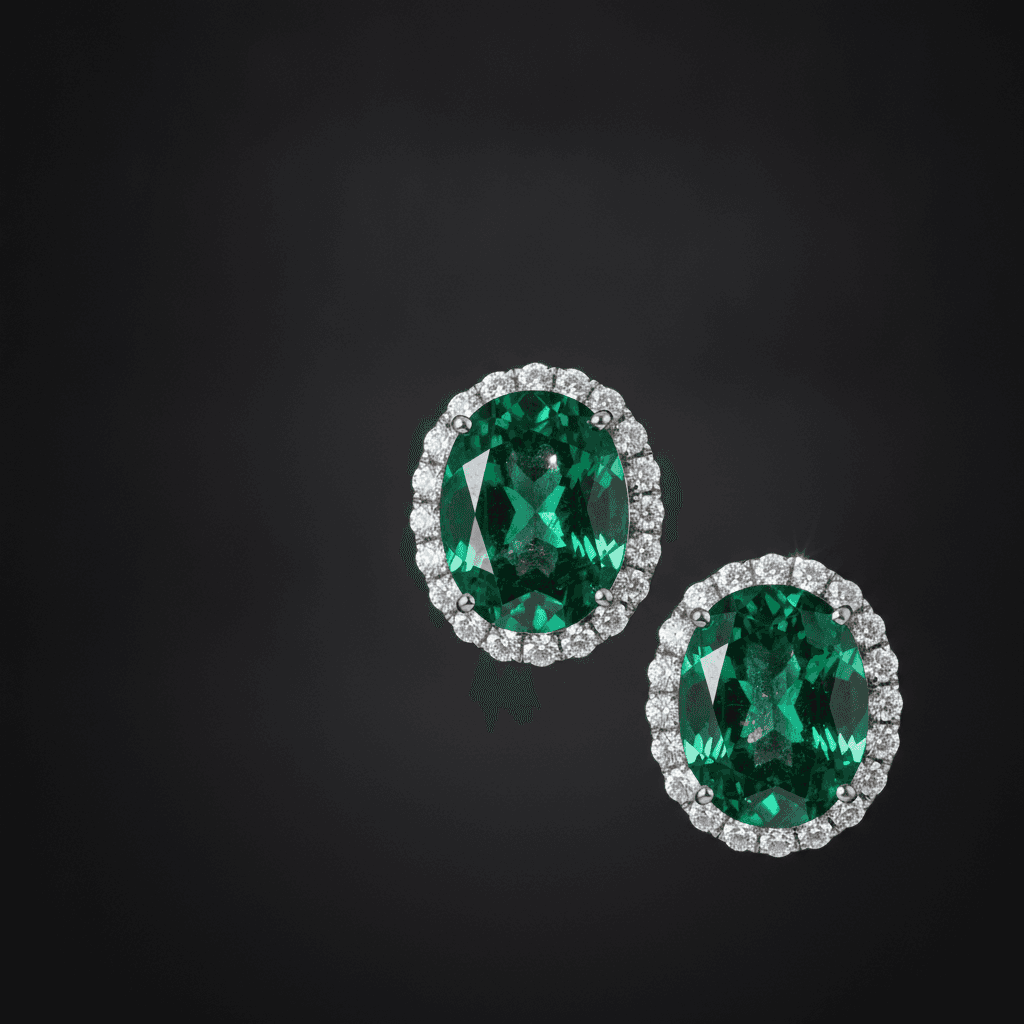
Short answer
Emeralds commonly contain inclusions and surface-reaching fissures. Oils, resins, or other fillers may enter those fissures and reduce their visibility, improving apparent clarity. Treatment does not automatically make an emerald fake, but it must be disclosed because the amount and stability of filling can affect appearance, care, repair, and market comparison.
Do not rely on a universal claim that a fixed percentage of emeralds is treated. The mix varies by source, quality, date, and market. Ask about the individual stone and use an independent laboratory report when treatment materially affects the purchase.
Why emeralds are clarity enhanced
Emerald is the green to bluish-green variety of beryl. GIA notes that eye-visible inclusions are common and accepted in the trade. Fractures that reach the surface can scatter light and appear pale or reflective. A filler with a refractive index closer to emerald can make those fissures less visible.
Clarity enhancement changes appearance; it does not heal a fracture or improve the crystal's underlying toughness. A filled fissure still exists. The filler may also change with heat, chemicals, time, or repeated cleaning.
Inclusions are not proof that an emerald is natural. Laboratory-grown emerald can contain internal features, and a natural emerald can be unusually clean. Material identity and treatment detection require more than a loupe photograph.
Oil, resin, and other fillers
Colorless oils have a long history in emerald enhancement. Resins and polymers are also used, and fillers can vary in stability. Some products may contain color, which changes how the treatment should be described.
The simple phrase cedar oil can create false certainty. GIA explains that an emerald may have been filled more than once with different substances, and its reports do not necessarily identify the exact filler material. The laboratory instead assesses and reports the degree of clarity enhancement it can detect.
Do not assume that oil means minor or resin means significant. The material used and the amount present are separate questions. A lightly filled stone and a heavily filled stone may require different market comparisons even if both involve oil.
Understanding none, minor, moderate, and significant
Laboratories may describe the amount of clarity enhancement as none, minor, moderate, or significant. These are expert observations under the laboratory's method. They should not be converted into invented percentage bands unless the issuing laboratory explicitly defines such percentages.
None means no clarity enhancement was detected under the report's testing conditions; it is not a guarantee that no treatment of any kind could exist. Minor, moderate, and significant indicate increasing apparent extent of filled fissures according to the laboratory's criteria. Read the report comments and terminology rather than comparing only one word.
The amount can matter to durability, appearance, maintenance, and value, but there is no universal discount formula. Color, transparency, cut, size, origin opinion, condition, documentation, and market also contribute.
What GIA reports can say
GIA evaluates emerald but does not assign one overall quality grade. A Colored Stone Identification and Origin Report can identify the stone, state whether it is natural or laboratory-grown, name detectable treatment, and provide a geographic-origin opinion when possible and requested. GIA emerald reports quantify the degree of clarity enhancement but do not necessarily identify the filler.
Verify a report number on the issuing laboratory's website. Confirm that weight, measurements, shape, cutting style, and photograph match the stone. A report is not an appraisal and does not guarantee retail, resale, auction, or insurance value.
Color, clarity, cut, and origin
Color is a major emerald quality factor. GIA describes desirable colors in the bluish-green to green range with strong saturation and tone that is not too dark. Lighting, camera white balance, and surrounding metal can alter the apparent color, so compare neutral and ordinary indoor views.
Clarity should be judged in the context of emerald, including how inclusions affect transparency and durability. Cutters often use the emerald cut to manage the crystal shape and protect corners, but many shapes exist. Inspect windowing, dark areas, fissures, chips, and girdle condition.
Geographic origin cannot be established by color alone. A Colombian, Zambian, or other origin claim should be supported by an appropriate laboratory opinion when it materially affects the sale.
Durability and repair
Emerald ranks about 7.5 to 8 on the Mohs scale, but many stones have fissures and fair-to-poor toughness. Hardness describes scratching, not resistance to impact. A hard knock can enlarge damage, and a setting can hide existing fractures.
Remove emerald rings during sports, heavy work, and household cleaning. Protect corners and inspect prongs. Tell a jeweler that the stone is emerald and provide treatment information before resizing or repair. Torch heat can alter fillers and damage the gem.
Cleaning treated emerald safely
Warm soapy water with gentle cleaning is the safest default. Avoid steam and ultrasonic cleaners. Heat and vibration can affect fissures and fillers, while solvents may remove or alter enhancement.
Do not schedule automatic re-oiling on a generic timetable. If appearance changes, consult an experienced jeweler or laboratory first. Re-treatment can affect disclosure and should be documented. Store the piece separately from harder gems and protect it from pressure.
A practical buying checklist
- Ask whether the emerald is natural or laboratory-grown.
- Request written disclosure of all known clarity and color treatments.
- Ask for the laboratory's enhancement degree, not an unsupported percentage.
- Verify the report and match it to the item.
- Inspect color, transparency, fissures, chips, cut, and setting condition.
- Treat geographic origin as a report question.
- Confirm the return policy allows independent examination.
- Keep reports, invoices, disclosures, and maintenance records together.
The practical conclusion
Clarity enhancement is common enough that every emerald buyer should ask about it, but treatment should be described stone by stone. Separate filler type from amount, avoid invented scales and price premiums, and care for an uncertain emerald as a fracture-filled gem until reliable evidence says otherwise.
Want more jewelry knowledge?
Download our app for quizzes, care guides, and AI identification