Sapphire Colors Beyond Blue: Fancy Sapphire, Treatments, and Quality
Short answer
Sapphire is the gem variety of corundum found in blue and many other colors. Corundum that meets the red color range is called ruby, while pink, yellow, orange, green, purple, colorless, and parti-colored examples are generally described as sapphires. Non-blue colors are often called fancy sapphires.
Color names are useful descriptions, but photographs cannot confirm corundum, natural or laboratory-grown origin, treatment, geographic origin, or a special trade name such as padparadscha. Important claims should be supported by an independent colored-stone identification report.
Corundum and the ruby boundary
Corundum is aluminum oxide. Trace elements and color centers contribute to its different appearances. Iron and titanium are associated with many blue sapphires, while chromium contributes to pink and red colors. Real gem color is more complex than a one-element chart, and treatment can alter it.
The boundary between pink sapphire and ruby depends on color assessment and trade or laboratory conventions. A seller's label is not enough to resolve a borderline stone. Describe the observed hue, tone, and saturation, then look to an independent report if the name materially affects the purchase.
Pure corundum is colorless, so colorless sapphire also exists. Green, yellow, purple, orange, and stones with two or more color zones can all be natural sapphire appearances.
What is padparadscha sapphire?
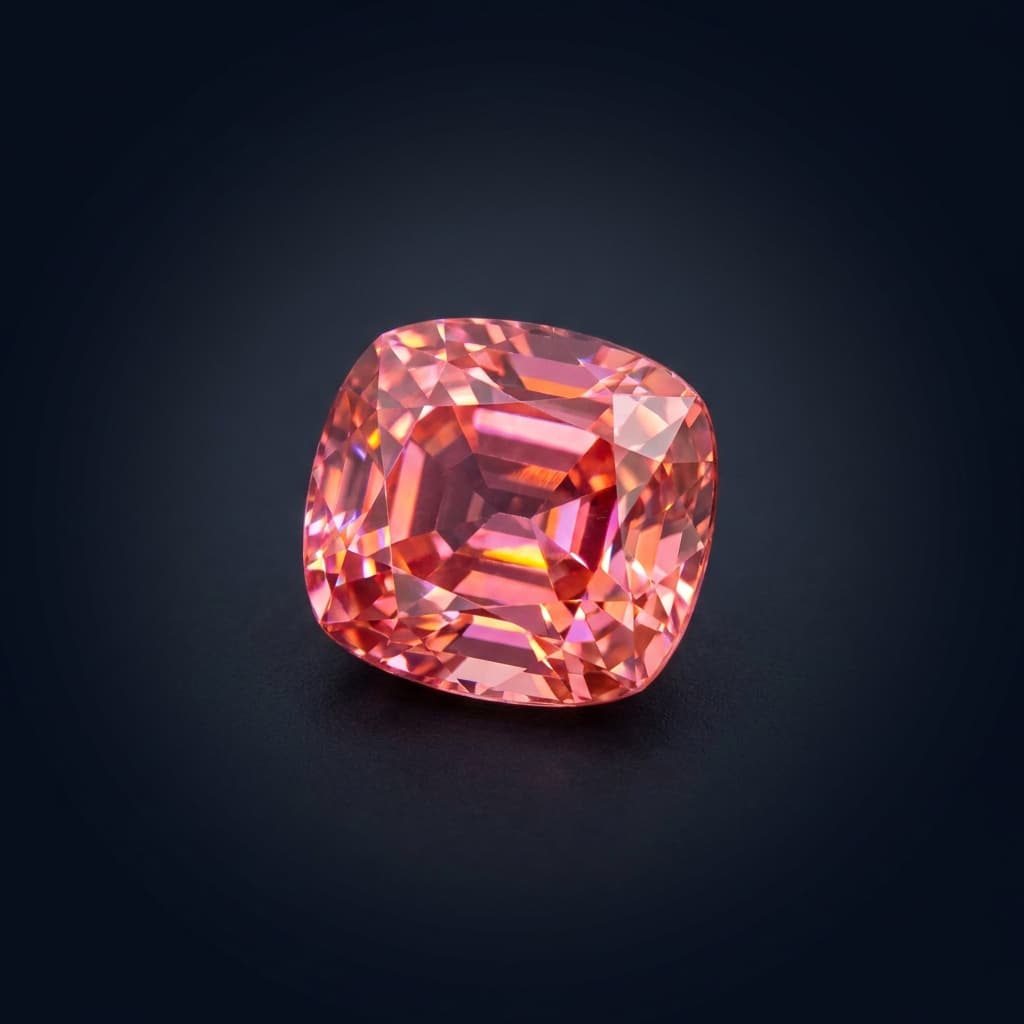
Padparadscha is a special name for a narrow pink-orange to orange-pink sapphire appearance. GIA notes that the definition has been debated and indicates on its report when, in its opinion, a sapphire meets the criteria.
Do not apply the term to every peach, salmon, or pink-orange stone. Treatment, color stability, tone, and color distribution matter. Ask for an independent report that specifically includes the padparadscha conclusion rather than relying on a seller-created color chart.
Color, clarity, cut, and phenomena
Color is usually the dominant visual factor. Compare hue, tone, saturation, color zoning, and brightness under neutral and indoor lighting. Very dark stones can lose visible color, while pale stones may show zoning more clearly. Camera processing can intensify blue, pink, or orange.
Sapphires often contain inclusions. Some can create a soft velvety appearance; others affect transparency or durability. Inclusions are not proof of natural origin, and high clarity is not proof of laboratory growth. Interpretation belongs with trained examination.
Cutters balance color zoning, pleochroism, brightness, shape, and retained weight. Inspect windowing, dark extinction, symmetry, polish, chips, and facet abrasion. Compare dimensions with carat weight because deep cutting can retain weight without producing a larger face-up outline.
Some sapphires display asterism, a moving star caused by oriented inclusions when cut as a cabochon. Stars can occur in natural, treated, or manufactured material. A star effect alone does not authenticate a sapphire.
Heat, diffusion, filling, and other treatments
GIA states that a large amount of sapphire in the market has been treated to alter color through heat or lattice diffusion. Heating is widely accepted, while confirmation of no evidence of heat can add rarity to fine material. Avoid publishing a universal percentage because the mix varies across source, quality, date, and market.
Lattice diffusion uses heat and added chemicals to introduce color-causing elements. In some stones the color is shallow; in others it penetrates farther. Diffusion-treated sapphire is generally compared differently from heat-only or untreated material.
Fracture filling, cavity filling, dye, coating, and other processes may also occur. Some treatments affect care. Request written disclosure and keep it with the invoice and report.
Natural, laboratory-grown, and origin claims
Laboratory-grown sapphire has essentially the same basic composition and properties as natural corundum but is made by people. It must be disclosed as laboratory-grown or synthetic. Glass and other materials can imitate sapphire.
Geographic names such as Kashmir, Myanmar, Sri Lanka, Madagascar, or Montana are origin claims, not visual styles. Every source produces a range of quality. GIA can offer a geographic-origin opinion when possible and requested, but not every stone supports a conclusion.
Verify a report number directly and match weight, dimensions, shape, and image. A report identifies and describes; it is not a financial appraisal or a promise of future appreciation.
Durability and jewelry use
Ruby and sapphire rank 9 on the Mohs scale and have good toughness, making corundum suitable for many daily-worn designs. Hardness does not make a stone or setting immune to chips, fractures, abrasion, loose prongs, or severe impact.
Remove sapphire jewelry during heavy work, sports, and chemical exposure. Protect pointed corners and have worn settings inspected. Tell a repairer about treatments because high heat can affect filled, dyed, or diffusion-treated stones.
Cleaning and storage
Warm soapy water is safe. GIA says ultrasonic and steam cleaning are usually safe for untreated, heat-treated, and lattice-diffusion-treated stones in sound condition. Fracture-filled, cavity-filled, or dyed material should receive gentler cleaning, sometimes only a damp cloth.
When treatment is unknown, use warm soapy water and professional advice. Store sapphire separately because it can scratch most other jewelry materials, while diamond can scratch sapphire.
A practical buying checklist
- Request neutral, unfiltered media in more than one light source.
- Describe color directly and treat special names as reportable claims.
- Ask about heat, diffusion, filling, dye, coating, and other treatment.
- Ask whether the stone is natural or laboratory-grown.
- Treat geographic origin as a laboratory-opinion question.
- Inspect cut, zoning, inclusions, chips, and the setting.
- Verify any report and retain all disclosures.
The practical conclusion
Sapphire's full color range makes color vocabulary useful, but color does not prove identity and an untreated stone does not automatically appreciate. Describe what is visible, disclose treatment, use reports for origin and material questions, and match care to the complete item.
Want more jewelry knowledge?
Download our app for quizzes, care guides, and AI identification