Turquoise Jewelry: Color, Matrix, Treatments, Care, and Southwest Context
Short answer
Turquoise is an opaque gem material known for blue to green colors and, in many pieces, visible host-rock matrix. Appearance can suggest useful questions, but it cannot prove that a stone is natural turquoise, identify a mine, or reveal every treatment. Turquoise may be impregnated, dyed, coated, reconstructed, or imitated, so consequential claims require clear seller disclosure and sometimes laboratory testing.
The safest way to research an unknown piece is to document the stone, setting, marks, construction, and provenance separately. Do not rely on tests based on temperature, weight, scratching, solvents, or a hidden destructive spot.
What turquoise looks like
Turquoise is a hydrated copper aluminum phosphate. GIA describes a range from blue through greenish blue and green. Texture and porosity vary, as do the patterns created where turquoise remains associated with its host rock.
Matrix is the host-rock material visible within a turquoise piece. It may appear as patches, veins, or a fine web. GIA notes that top-quality material without matrix can command strong interest, while attractive spiderweb matrix also has an established market. Matrix is therefore not automatically a flaw or a quality guarantee. Its effect depends on pattern, contrast, material, workmanship, buyer preference, and the reliability of the identification.
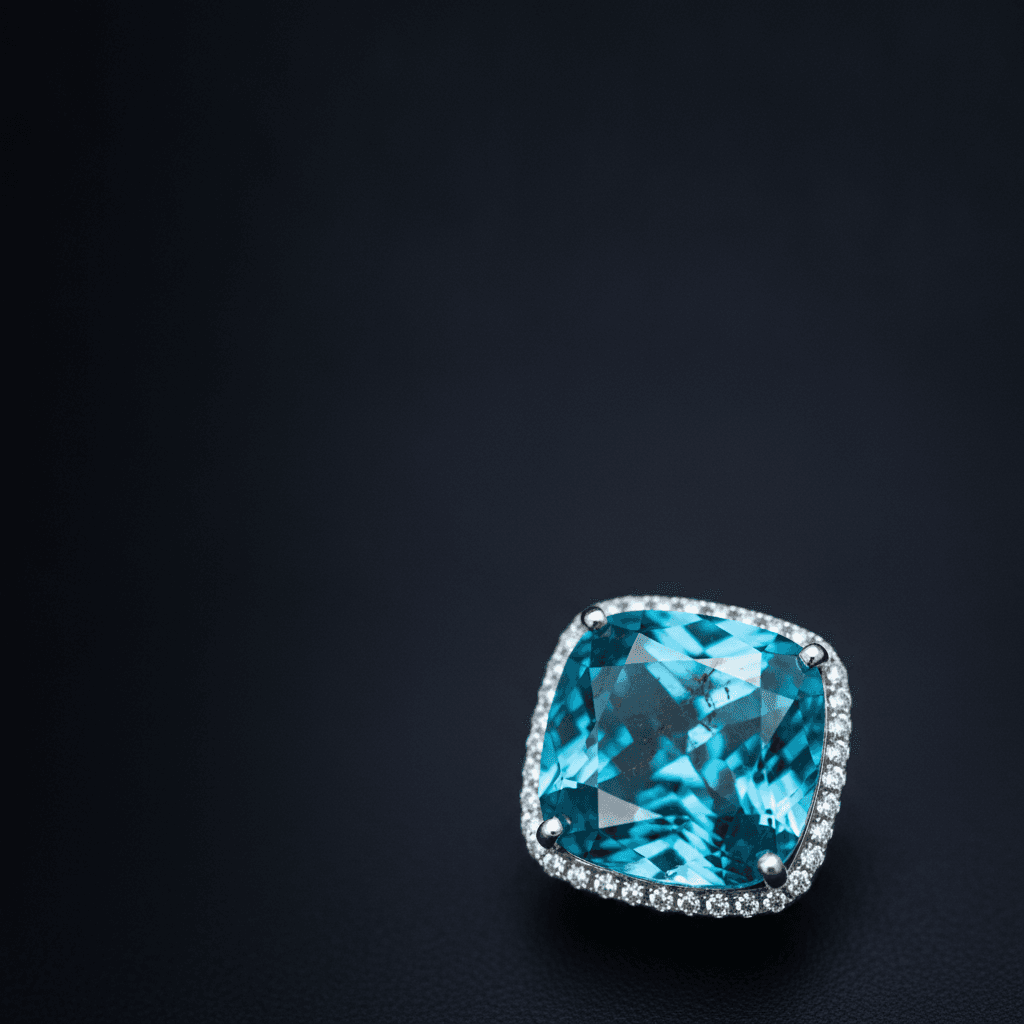
Photographs should show color under neutral light and include close views of matrix, edges, drill holes, backs, and any chips or worn areas. Filters and strong saturation adjustments make comparison harder. A white balance reference can help document color, but it does not turn a photograph into a laboratory test.
Treatments and manufactured look-alikes
Turquoise is porous enough that wax or polymer impregnation may be used to improve appearance or durability. GIA's treatment reference also documents dyeing and other surface or structural modifications. Reconstructed material can be made from particles bonded together. Other natural materials, glass, plastics, and composites can imitate turquoise.
Treatment is not the same as imitation, and an impregnated natural turquoise component should not be described as untreated. The exact terminology matters because treatment can change care requirements and market comparison. Ask the seller to state the material, whether it is natural or manufactured, and all known treatments in writing.
Color concentrated in cracks, drill holes, or surface wear can be an observation worth recording, but it is not a final dye test. Matrix that looks convincing is not proof of natural formation. Laboratory examination may use magnification, spectroscopy, and other methods that are safer and more informative than a home experiment.
Why mine origin cannot be read from appearance
Names of well-known mines are frequently used in turquoise listings. A color or matrix style may resemble material associated with a locality, but resemblance does not establish origin. Material from one source can vary, while stones from different sources can overlap in appearance. Treatments and image processing create more uncertainty.
Treat a mine name as a provenance claim. Ask what documents connect the stone to that source, who supplied it, and whether the attribution is independent of the seller's visual opinion. Keep invoices, artist statements, old labels, and repair records with the item. Do not promise investment appreciation from a mine name or a story about depleted supply.
Southwest jewelry deserves precise attribution
Turquoise and silverwork have important histories in the American Southwest. Smithsonian collection records document Navajo turquoise-and-silver jewelry and describe the development of distinctive Indigenous silverwork traditions. One museum object or one community's practice should not be used to generalize about every Navajo, Zuni, Hopi, Pueblo, or other Native artist.
When researching a piece, distinguish material identity from maker and cultural attribution. A turquoise cabochon does not identify the artist or community. Construction, hallmark, documented ownership, seller records, and comparison with authoritative collections may help, but expert knowledge is often required.
If a seller represents an item as Native American-made, request the artist's name and tribal affiliation when known and retain the written representation. Avoid assigning sacred meanings to an unknown object based only on color or motif. Contemporary Native artists work in both traditional and individual styles, so respectful attribution should be evidence-led rather than stereotyped.
Safe care for turquoise
GIA places turquoise at 5 to 6 on the Mohs hardness scale with fair-to-good toughness. It can be scratched by harder materials and can discolor from high heat, chemicals, cosmetics, skin oils, or perspiration. Some treatments are vulnerable to solvents or heat.
GIA recommends warm soapy water for cleaning and advises against steam and ultrasonic cleaners. Use a soft cloth or very soft brush, avoid soaking when the setting contains adhesives or its construction is uncertain, and dry the piece carefully. Put on cosmetics and perfume before turquoise jewelry, and remove the piece before swimming, household cleaning, or activities that expose it to impact.
Store turquoise separately from diamonds, sapphires, and other harder surfaces. If the piece is antique, cracked, repaired, inlaid, or set with multiple materials, ask a qualified jeweler or conservator before cleaning.
What a photo can and cannot establish
A photo can document color, shape, matrix pattern, setting design, wear, visible backing, and legible marks. It may help distinguish broad construction categories or identify questions for a seller. It cannot confirm turquoise, treatment, mine origin, artist, cultural affiliation, age, or value.
For a meaningful purchase or an inherited piece, combine an appropriate gemological test with provenance research. This produces a more useful record than a cool-to-the-touch test or a confident mine guess, and it protects both the object and the people whose work may be represented.
Want more jewelry knowledge?
Download our app for quizzes, care guides, and AI identification