Traveling with Jewelry: A Practical Safety Checklist
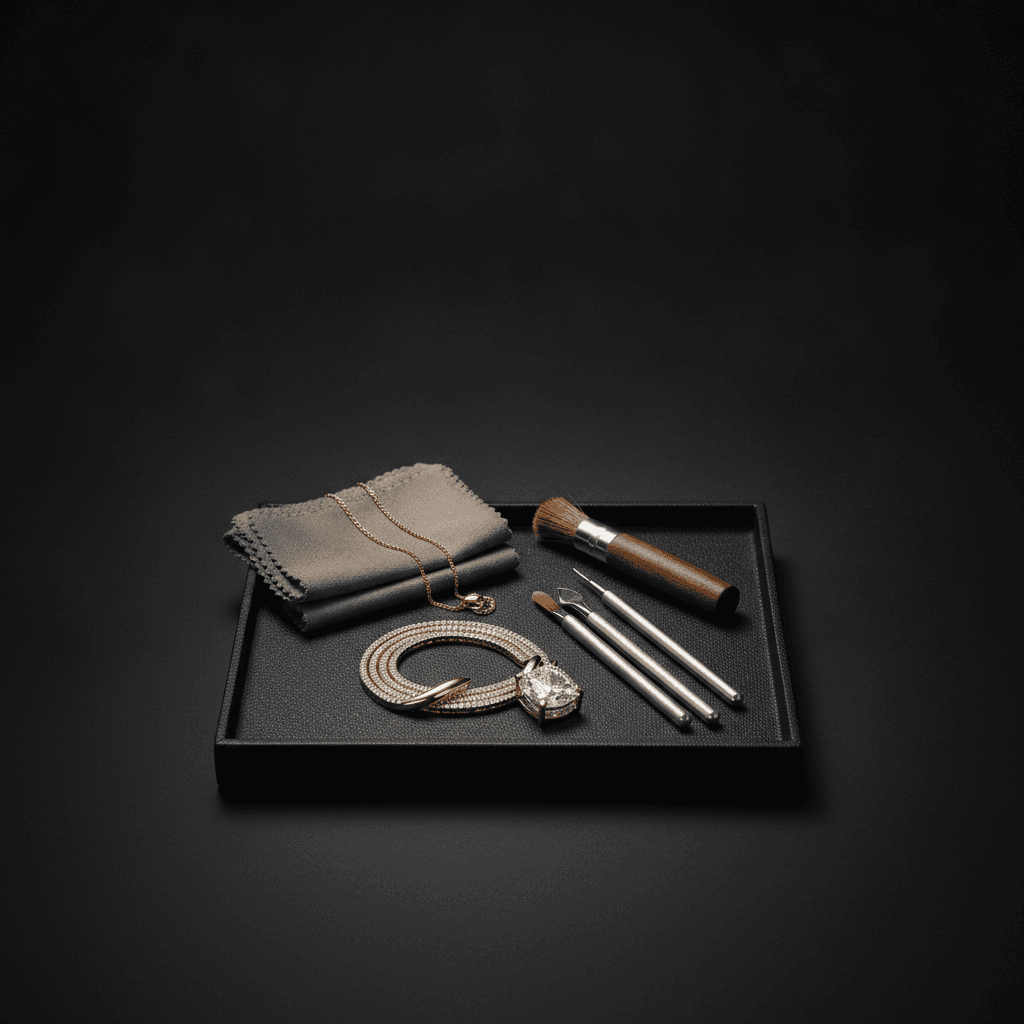
The safest decision starts before packing
Travel does not automatically damage jewelry, but it adds opportunities for loss, impact, theft, and confusion at borders. The simplest risk reduction is to bring fewer pieces and leave irreplaceable heirlooms at home unless they are genuinely needed. The U.S. Department of State advises travelers abroad not to display expensive jewelry or other valuables. That is crime-prevention guidance, not a claim that every destination is unsafe; review the current advisory for the places on your itinerary.
If you do bring jewelry, make a small plan for the whole trip: how it will travel, where it will be stored, when it will be worn, and what records you could use if it disappears.
Document each piece before departure
Photograph the front, back, clasp, setting, and every visible mark. Use neutral light and include a size reference. Save the photographs somewhere you can reach without the device traveling with you. Keep purchase receipts, grading reports, repair records, recent appraisals, and policy details together, but do not assume that a photo or an app identification establishes ownership, authenticity, or value.
For travelers leaving and returning to the United States, CBP Form 4457 is an optional way to document prior possession of personal effects. U.S. Customs and Border Protection explains that the item must be presented to an officer before departure and that the signed form can later support re-entry. It is not insurance, a valuation, or a certificate of authenticity. Other countries have their own customs rules, so check the official authorities for every border involved.
Check insurance rather than guessing
Homeowners, renters, scheduled-jewelry, credit-card, airline, and travel policies can apply very differently. Ask the insurer in writing whether the piece is covered away from home, internationally, in transit, and against unexplained disappearance. Confirm deductibles, per-item limits, required documentation, and exclusions. Do not rely on a general statement that luggage is covered: valuable jewelry may have a lower sublimit or require separate scheduling.
Keep valuable jewelry with you in transit
The Transportation Security Administration says travelers with valuable jewelry should keep it with them rather than placing it in checked baggage. TSA also says a traveler may request private screening for valuables. Airline, airport, and international screening procedures can differ, so follow instructions from the responsible authority.
Use a compact case with a secure closure and padded, separate spaces. Fasten chains before packing and prevent hard stones or metal edges from rubbing against softer gems, pearls, enamel, or polished surfaces. Keep the case inside a personal item that remains under your control. Avoid loose pockets, open trays, and improvised containers that can spill.
Make a routine at the destination
Choose one consistent place for jewelry when it is not being worn. Before using a room safe, front-desk safe, cruise safe, or rental property storage, understand who can access it and what the property accepts responsibility for. Do not advertise where valuable pieces are kept. Count the items when packing, changing rooms, or checking out.
Use the same care rules you would at home. Remove fine jewelry before swimming in chlorinated water, using household cleaners, or exposing it to cosmetics that may affect metals, pearls, treated gems, or porous materials. If you do not know every material, treatment, or repair in a piece, postpone cleaning until you return and can choose a method for the whole object.
What not to do
- Do not put valuable or sentimental jewelry in checked baggage merely because a hard suitcase looks secure.
- Do not post real-time images that reveal both valuable items and your location.
- Do not use tape, drinking straws, or rubber bands directly on heirloom jewelry without knowing how their adhesives, sulfur, dyes, or pressure may affect the materials.
- Do not clean an unfamiliar piece during the trip with hotel toiletries, toothpaste, alcohol wipes, or an ultrasonic device.
- Do not treat a hotel safe, insurance policy, or customs form as a guarantee against loss.
If something goes missing
Retrace the last confirmed location and notify the airline, airport, accommodation, venue, or local police as appropriate. Preserve claim numbers and written reports. Contact the insurer promptly and follow its evidence requirements. If an item is recovered, inspect it for a loose stone, bent prong, stretched chain, or damaged clasp before wearing or cleaning it.
A concise pre-trip checklist
- Decide whether each piece is worth the travel risk.
- Photograph details and save records separately.
- Confirm customs and insurance requirements from official sources.
- Pack pieces separately in a secure carry-on case.
- Plan secure storage and low-risk wearing occasions.
- Recount everything before every departure.
Good travel jewelry practice is mostly about reducing opportunities for loss. Bring only what you can manage carefully, keep it under your control, and use official guidance for customs, security, and destination-specific risk.
Want more jewelry knowledge?
Download our app for quizzes, care guides, and AI identification