The safest cleaning method depends on the gemstone, treatment, setting, metal, adhesives, and condition. An aggressive one-size-fits-all method can damage exactly the piece you are trying to preserve.
Start with documentation and a condition check. If the material or treatment is unknown—or the piece is fragile, valuable, or inherited—pause before using heat, chemicals, steam, or an ultrasonic cleaner.
Questions this section can help answer
- Is the material and any treatment known well enough to choose a cleaning method?
- Are there loose stones, cracked gems, worn prongs, foil backs, glue, or fragile enamel?
- Would separate storage reduce scratching, tangling, or chemical exposure?
Jewelry Care articles
Every entry below passes the article-specific source, provenance, and index-approval gates.
Traveling with Jewelry: A Practical Safety Checklist
Reduce loss, theft, scratching, and customs confusion when traveling with jewelry. Use a carry-on, document valuable pieces, check insurance terms, and leave irreplaceable items home when the risk is not worth it.
Read guide
Professional Jewelry Cleaning vs. At-Home Care
Routine home care can remove light surface soil from suitable jewelry, while a trained jeweler can inspect settings and choose equipment for the actual gem, treatment, and construction. Learn when each option is appropriate.
Read guide
How to Store Jewelry Without Scratches, Tangles, or Tarnish
Store jewelry by material and construction, separate hard and soft surfaces, support chains and fragile pieces, and use suitable enclosures. Special handling matters for silver, pearls, opals, plated finishes, and heirlooms.
Read guide
When Should You Take Off Jewelry? Seven High-Risk Situations
Remove jewelry when chemicals, impact, snagging, contamination, temperature change, or loss risk outweigh convenience. This activity-by-activity guide explains why materials and settings change the answer.
Read guide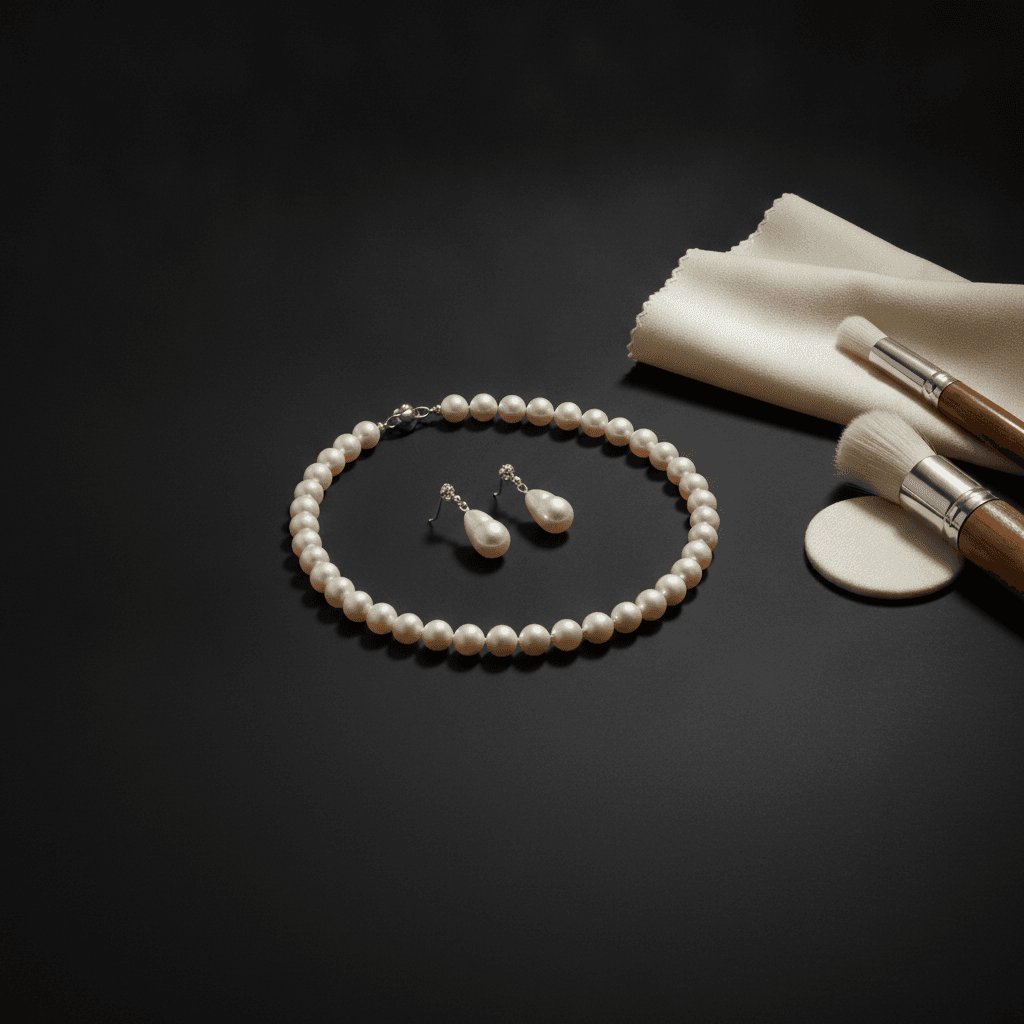
How to Care for Pearls Without Damaging the Nacre
Pearls are soft organic gems that can be scratched and affected by heat, acids, cosmetics, and unsuitable cleaners. Learn a conservative routine for wearing, wiping, cleaning, drying, and storing pearl jewelry.
Read guide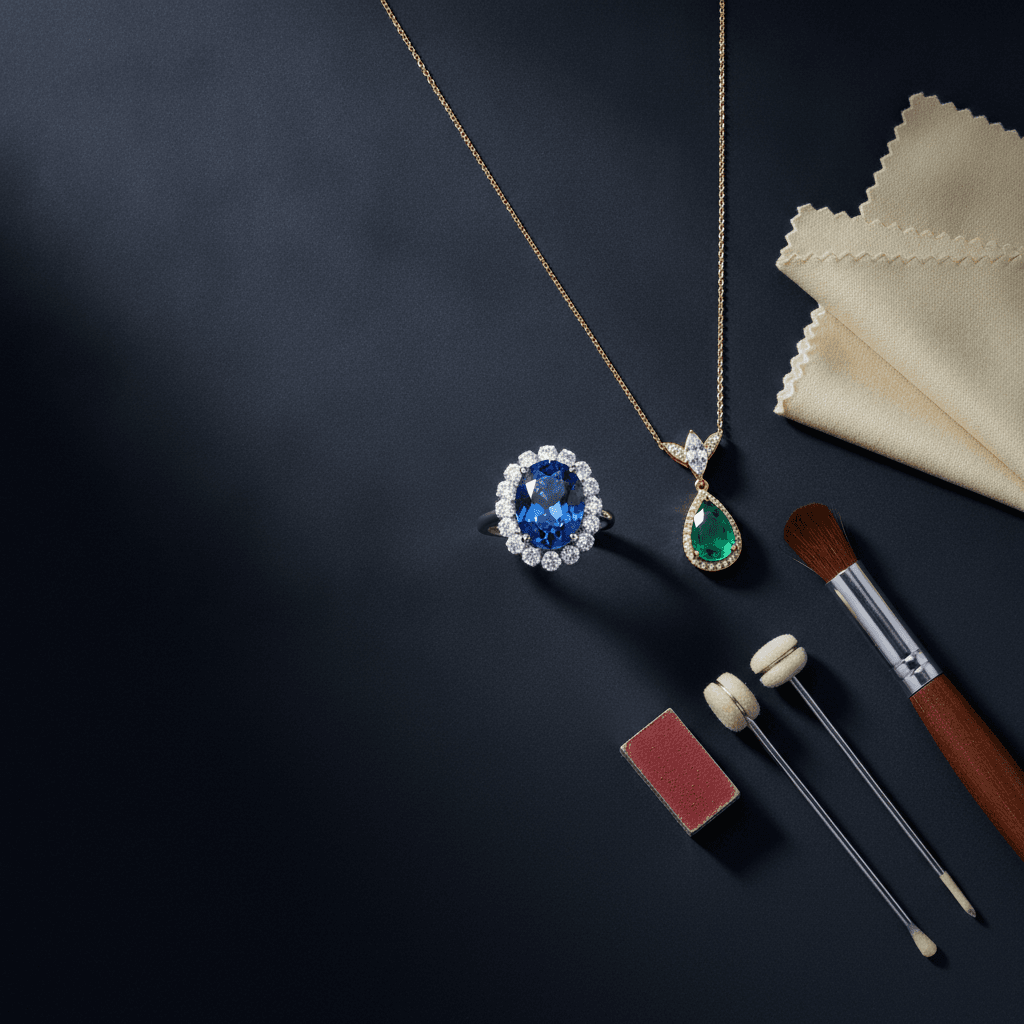
Gemstone Care Guide: Why Mohs Hardness Is Not Enough
Safe gemstone care depends on hardness, toughness, stability, treatments, setting, and construction—not a single Mohs number. Use this decision process before cleaning, wearing, or storing colored-stone jewelry.
Read guide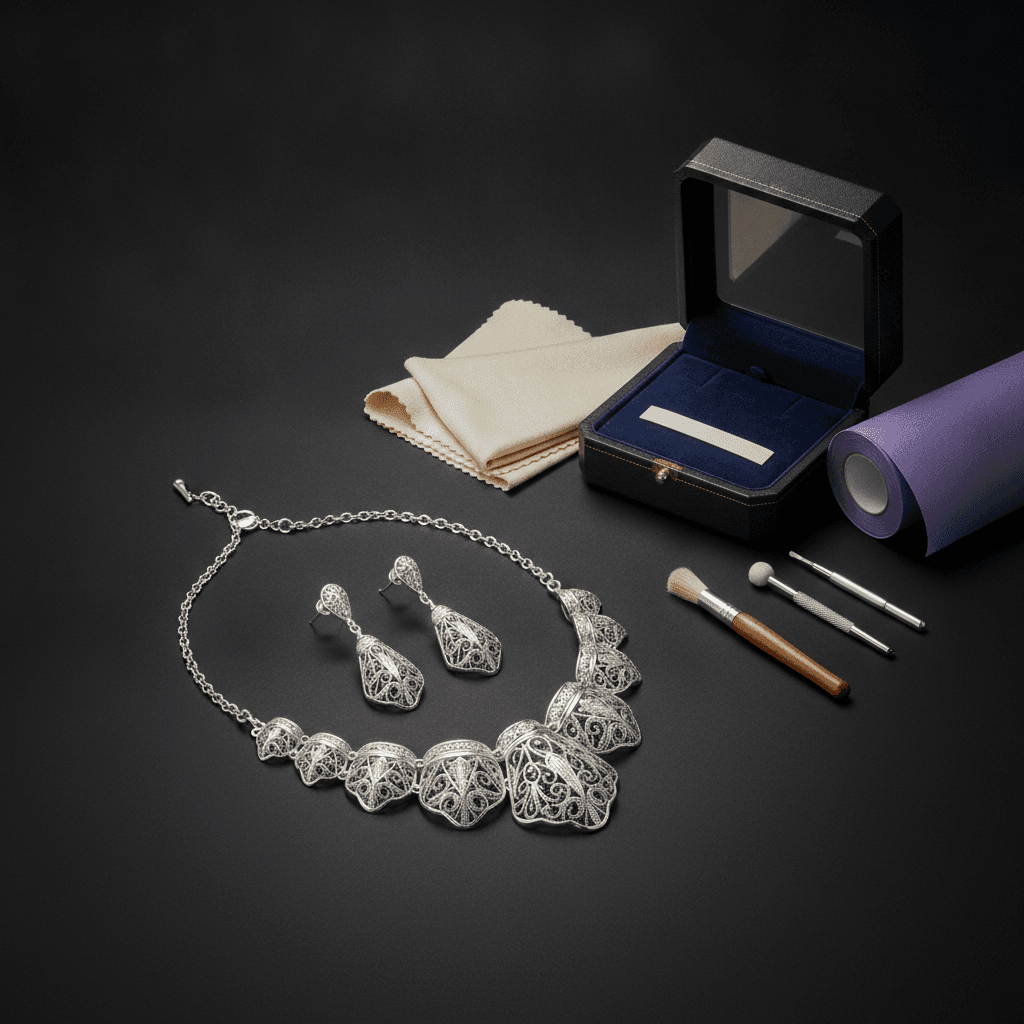
How to Store Silver and Remove Tarnish Conservatively
Prevent silver tarnish with clean, dry, low-pollutant storage and examine every component before cleaning. Use the least abrasive suitable method, and refer plated, antique, hollow, or composite pieces to a conservator.
Read guide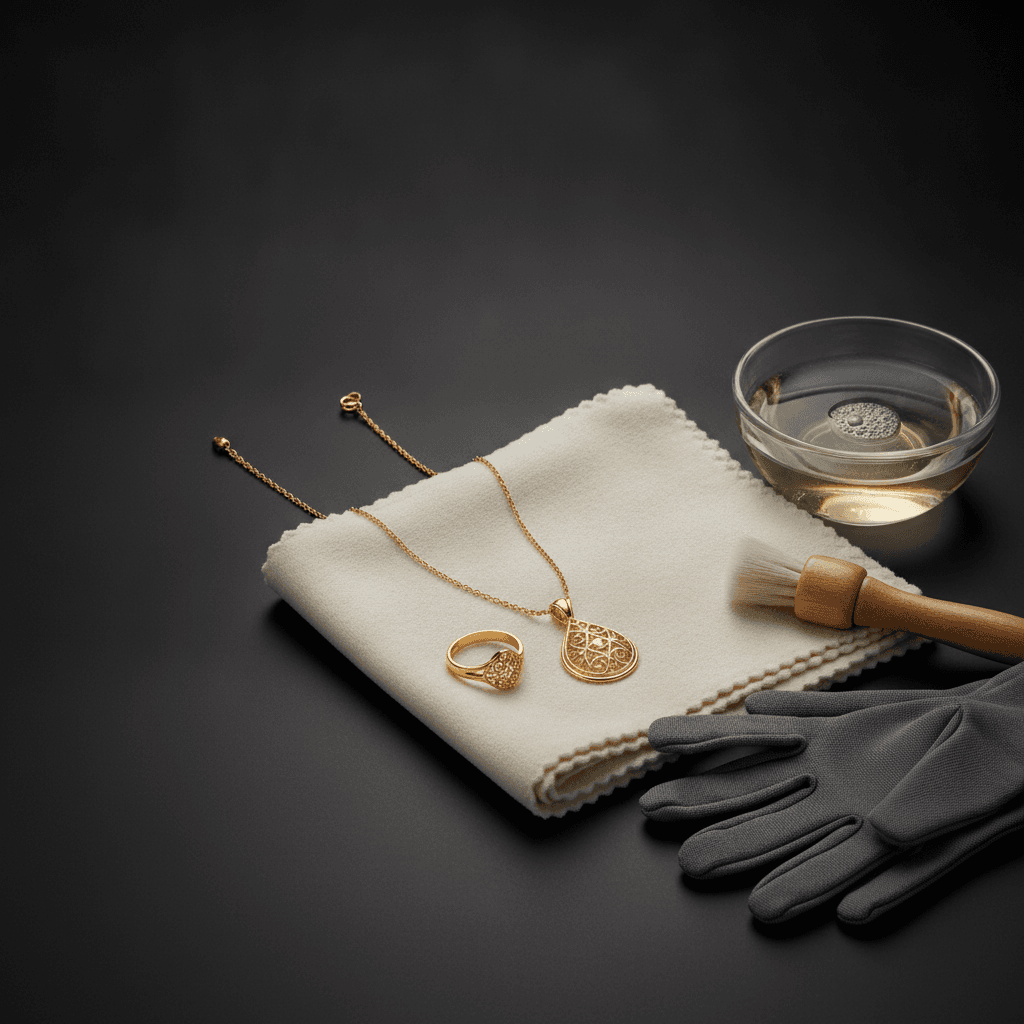
How to Clean Gold Jewelry at Home—When It Is Safe
Warm water, mild soap, and a soft brush can suit some sound gold jewelry, but stones, treatments, plating, adhesives, hollow construction, and antique finishes can change the method. Inspect first and clean conservatively.
Read guideSources and further reading
This guide summarizes the official and institutional references below. Open the original source for its full scope, jurisdiction, definitions, and updates.
Gemological Institute of America
Tips for caring for jewelryConservative guidance on light, heat, chemicals, ultrasonic cleaning, and separate storage.
https://www.gia.edu/articles/gia-news-research-tips-caring-jewelry
Gemological Institute of America
Gem EncyclopediaGemological reference for properties, quality factors, treatments, and care considerations.
https://www.gia.edu/gem-encyclopedia
Continue your research
Start with a structured photo screen
Capture the whole piece, every mark, construction details, and condition. The photo tool will organize visible clues and tell you where uncertainty remains.
Scan a jewelry photo