Fineness numbers and quality marks can be useful clues about what an item claims to contain. Their meaning depends on the complete mark, the country or system, the maker or sponsor, and the item itself.
A lone number is not a complete authentication. Photograph every mark, record where it appears, and compare the whole set before deciding whether professional testing is warranted.
Questions this section can help answer
- What does a parts-per-thousand fineness number claim?
- How do plated and gold-filled descriptions differ from solid-alloy marks?
- What other marks and physical evidence should appear alongside a fineness mark?
Common hallmark guides
Browse every source-backed mark page. A stamp is a clue to interpret with the full mark set and the physical item, not proof that the piece is genuine.
Metals & Hallmarks articles
Every entry below passes the article-specific source, provenance, and index-approval gates.

Jewelry Metal Allergies: Nickel, “Hypoallergenic” Labels, and Safer Choices
Nickel is a common cause of allergic contact dermatitis, but a jewelry label or photo cannot diagnose an allergy or guarantee compatibility. Learn what to document, what material claims mean, and when to see a dermatologist.
Read guide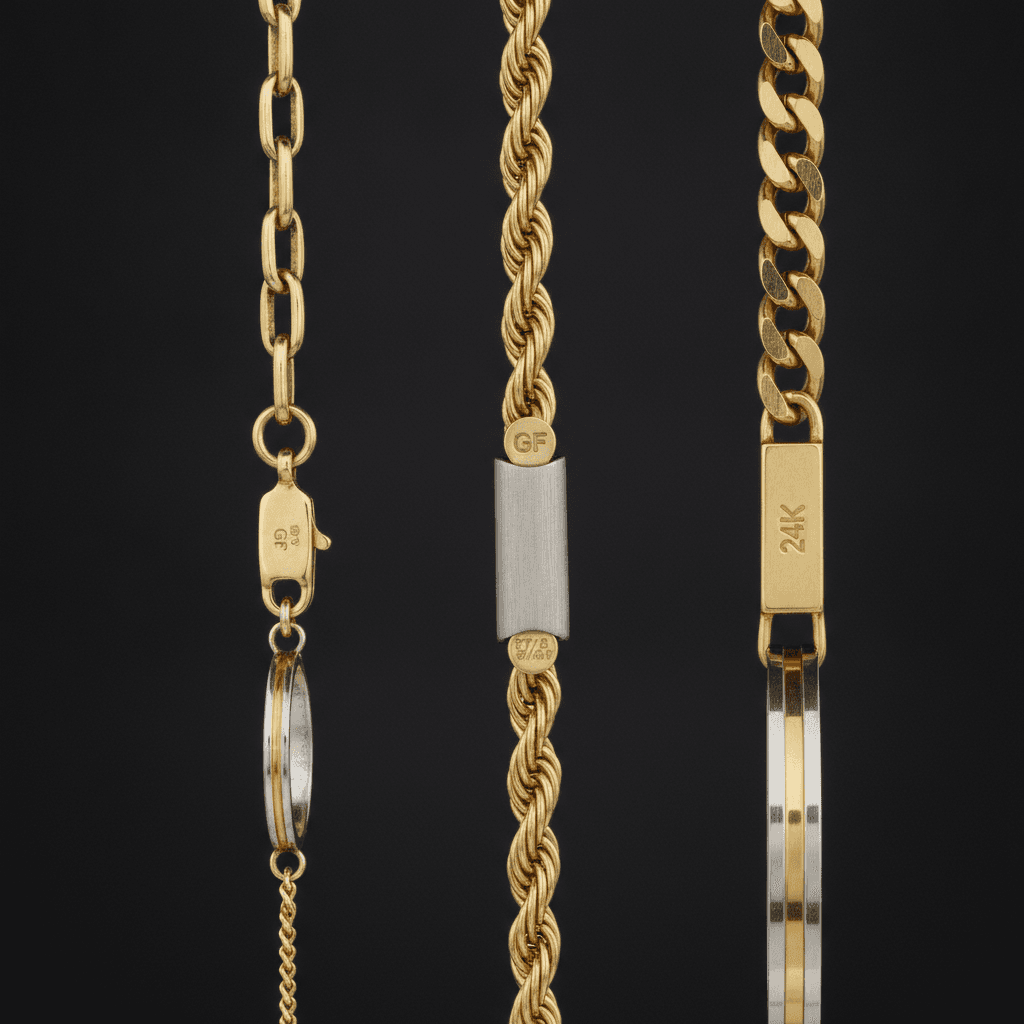
Gold Plated vs Gold Filled vs Karat Gold: What the Terms Mean
Gold plated, gold filled, vermeil, hollow karat gold, and solid karat gold describe different constructions. Learn how to read the full mark, avoid lifespan promises, and choose the right evidence for care and value.
Read guide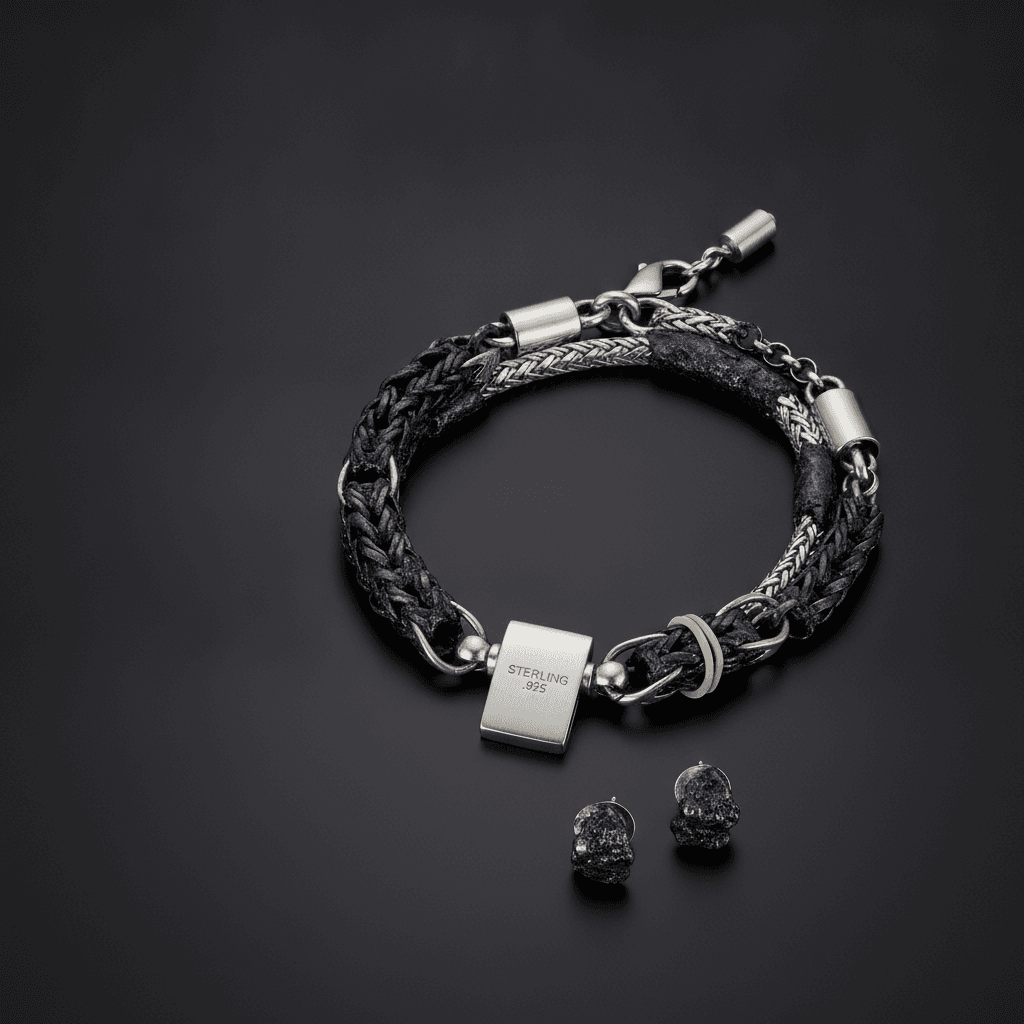
Why Silver Tarnishes: Chemistry, Color Stages, and Clues
Silver reacts with sulfur-containing gases to form a thin tarnish layer. Its yellow, red-brown, blue, and black stages reflect film thickness, but color alone cannot prove purity, plating, age, or authenticity.
Read guide
Titanium, Tungsten, and Stainless-Steel Rings: What Buyers Should Compare
Alternative-metal rings differ in weight, brittleness, resizing, alloy composition, finish, and repair options. Learn why “indestructible” and “hypoallergenic” are overclaims and what to confirm before buying.
Read guide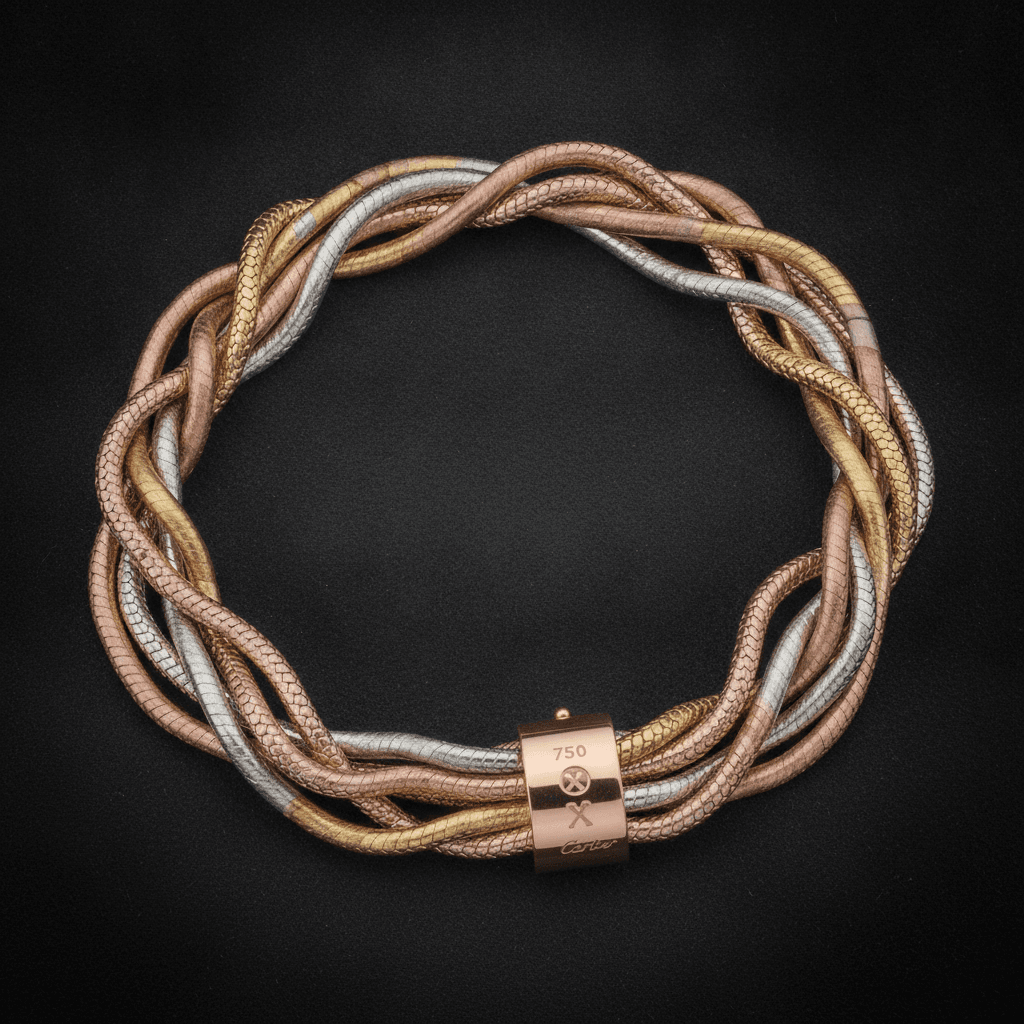
What Is Rose Gold? Karat, Copper, Color, and Hallmark Clues
Rose gold is a gold alloy whose pink tone usually comes from copper, sometimes with silver. Its exact recipe varies, so color cannot establish karat or authenticity; use the full quality mark and appropriate testing.
Read guide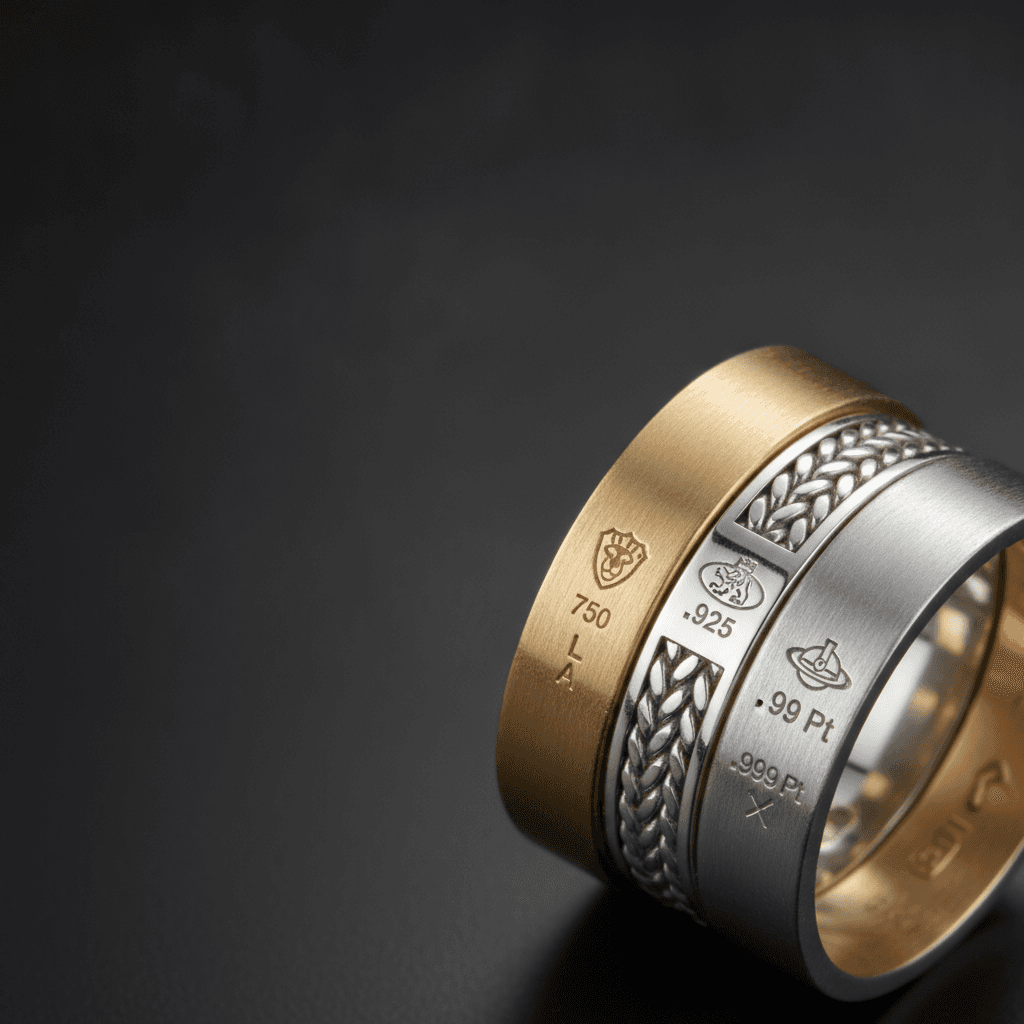
Jewelry Hallmarks by Country: Why the Same Stamp Can Mean Different Things
There is no single worldwide hallmark system. Compare the official UK hallmark, U.S. quality-mark framework, and Convention Common Control Mark, then use a repeatable process for researching jewelry from another country.
Read guide
What Metals Are Mixed With Gold and Why Alloy Recipes Matter
Gold alloys combine a stated gold proportion with metals chosen for color and manufacturing needs. Learn how copper, silver, zinc, nickel, palladium, coatings, and production choices change a piece without assuming one universal recipe.
Read guide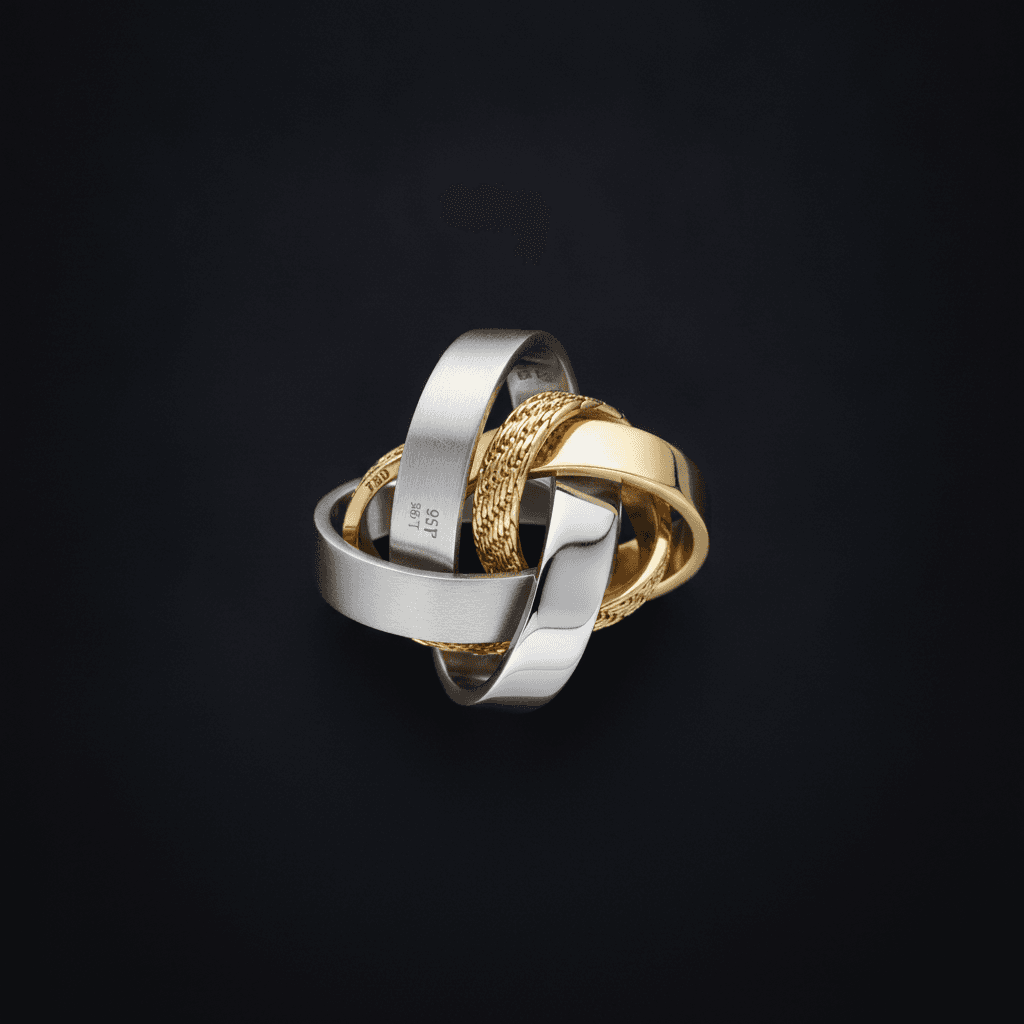
Platinum vs White Gold: Composition, Wear, Maintenance, and Marks
Platinum is a naturally white precious metal; white gold is a gold alloy often rhodium plated. Compare fineness, weight, surface wear, maintenance, skin sensitivity, repair, and current cost without fixed-price claims.
Read guide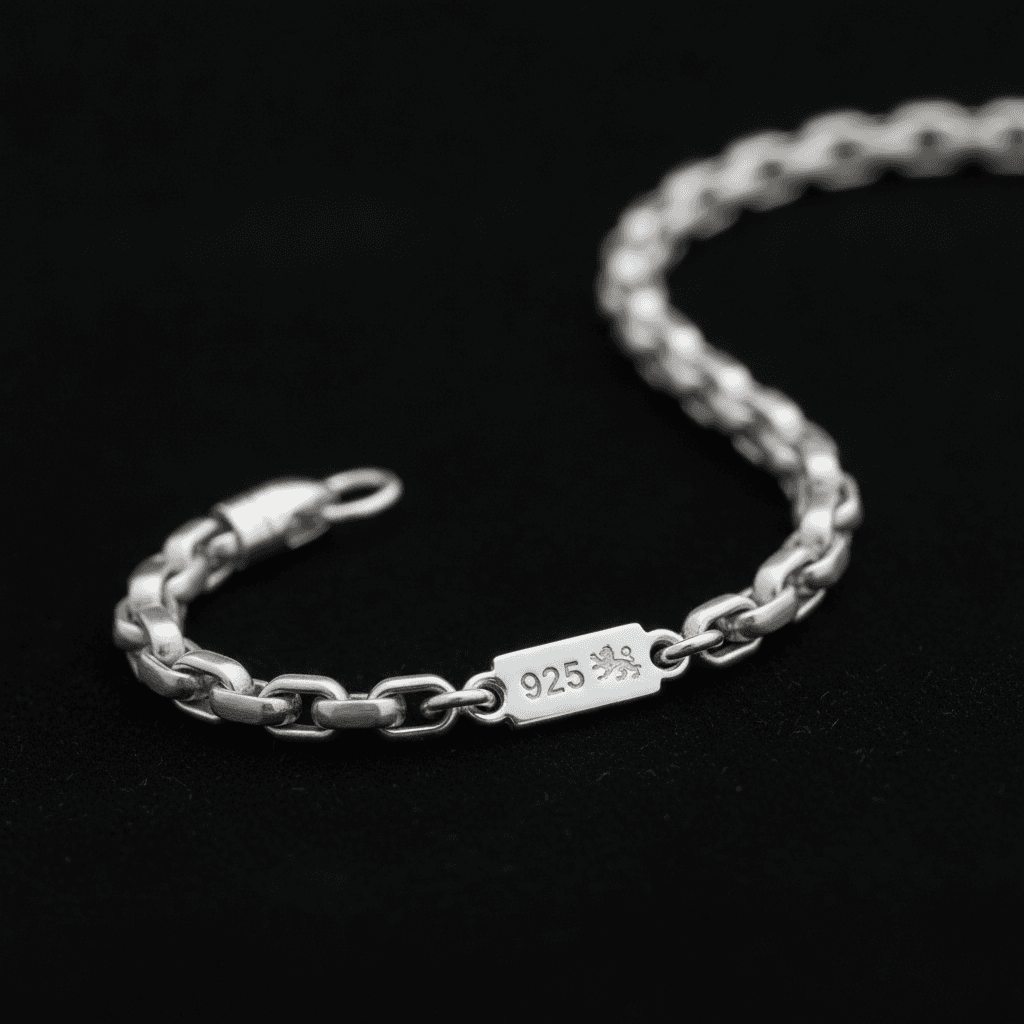
You Found a 925 Stamp: How to Verify the Jewelry Next
A 925 stamp is a fineness claim, not final proof of the whole object. Photograph its context, identify the marking system, inspect construction and wear, verify the responsible mark, and choose proportionate testing.
Read guide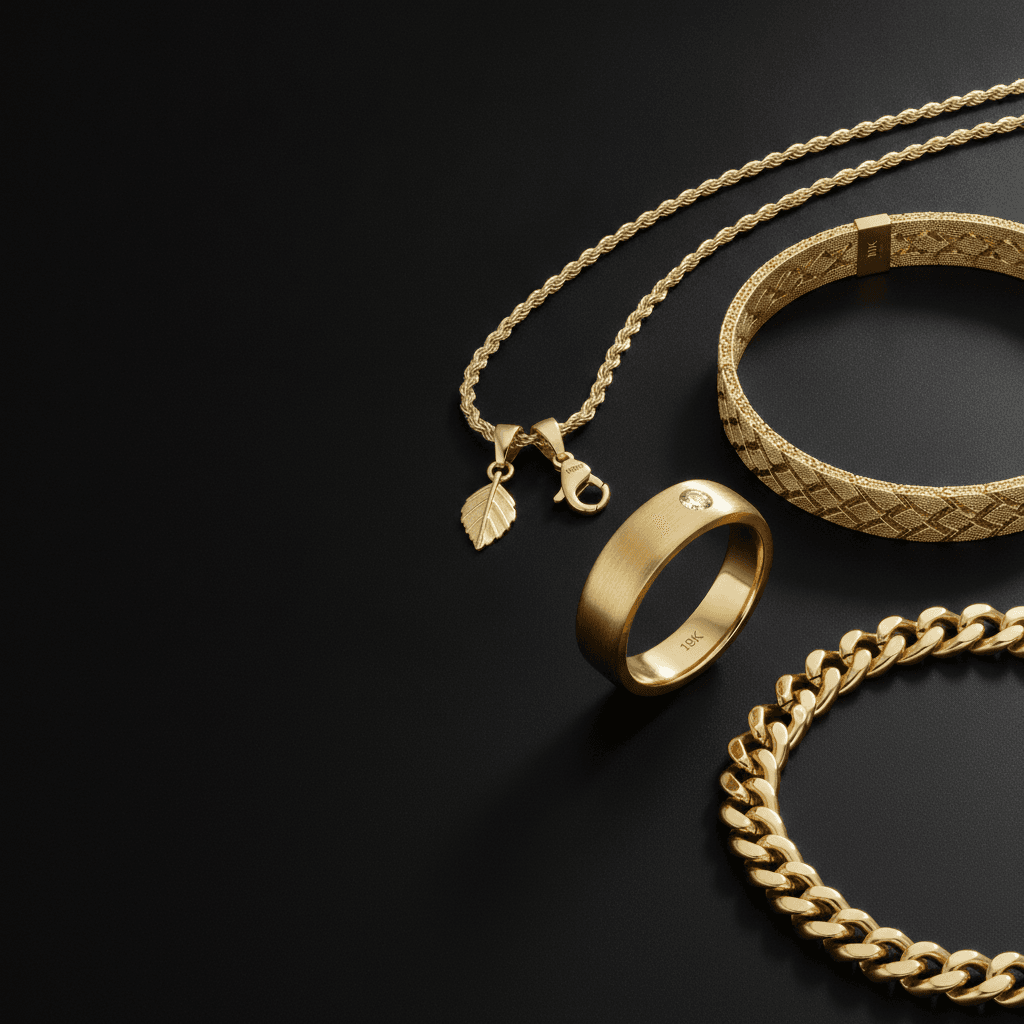
10K vs 14K vs 18K vs 24K Gold: A Practical Comparison
Compare 10K, 14K, 18K, and 24K gold by gold proportion, common fineness marks, color range, wear considerations, price inputs, and best-use questions without treating karat as a complete quality score.
Read guideSources and further reading
This guide summarizes the official and institutional references below. Open the original source for its full scope, jurisdiction, definitions, and updates.
U.S. Federal Trade Commission
Buying Platinum, Gold, and Silver JewelryConsumer guidance on karat marks, silver fineness, plating, filled products, and maker marks.
https://consumer.ftc.gov/articles/buying-platinum-gold-and-silver-jewelry
U.S. Federal Trade Commission
Jewelry GuidesOfficial guidance on truthful descriptions of jewelry materials, qualities, treatments, and origins.
https://www.ftc.gov/news-events/topics/tools-consumers/jewelry-guides
UK Government
Hallmarking is the law: guidance summaryExplains compulsory elements of a UK hallmark and how fineness is expressed in parts per thousand.
https://www.gov.uk/government/publications/hallmarking-guidance-notes/hallmarking-is-the-law-guidance-summary
UK Government / British Hallmarking Council
Hallmarking: fineness guidanceOfficial reference for recognized UK precious-metal fineness standards.
https://www.gov.uk/government/publications/hallmarking-fineness-guidance
Continue your research
Start with a structured photo screen
Capture the whole piece, every mark, construction details, and condition. The photo tool will organize visible clues and tell you where uncertainty remains.
Scan a jewelry photo