Style labels are most useful as a way to organize visual research. A piece can borrow an older motif, be a later revival, or combine design cues from several periods.
Treat silhouette, construction, findings, wear, marks, and provenance as separate evidence. A stylistic resemblance can guide research, but it does not date a piece by itself.
Questions this section can help answer
- Which motifs and construction details are associated with a style?
- Could the piece be a later revival rather than a period original?
- What documentary or physical evidence would strengthen an attribution?
Styles & Eras articles
Every entry below passes the article-specific source, provenance, and index-approval gates.
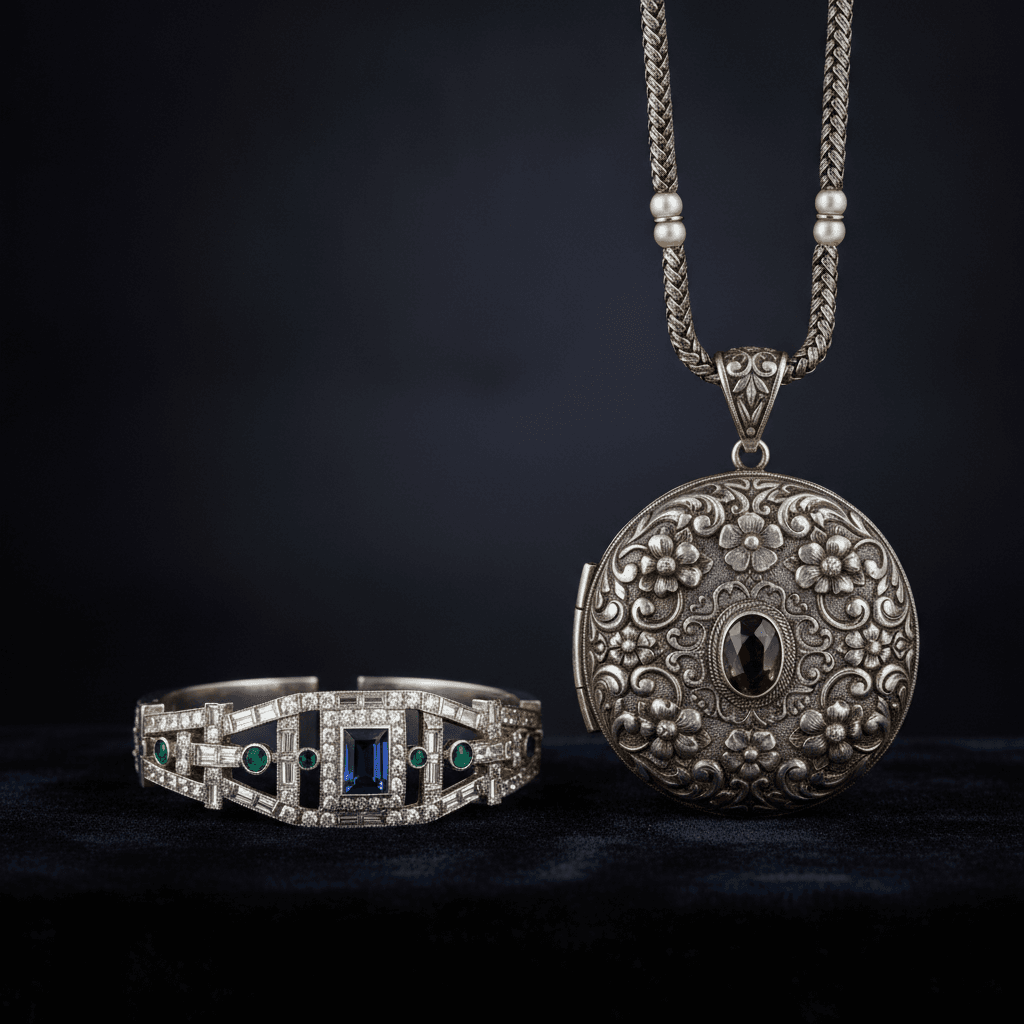
Vintage vs. Antique Jewelry: What the Labels Actually Mean
Antique has a specific over-100-year meaning in some customs rules, while vintage is a flexible market label. Learn how to describe older jewelry without turning an age estimate into an authentication or value claim.
Read guide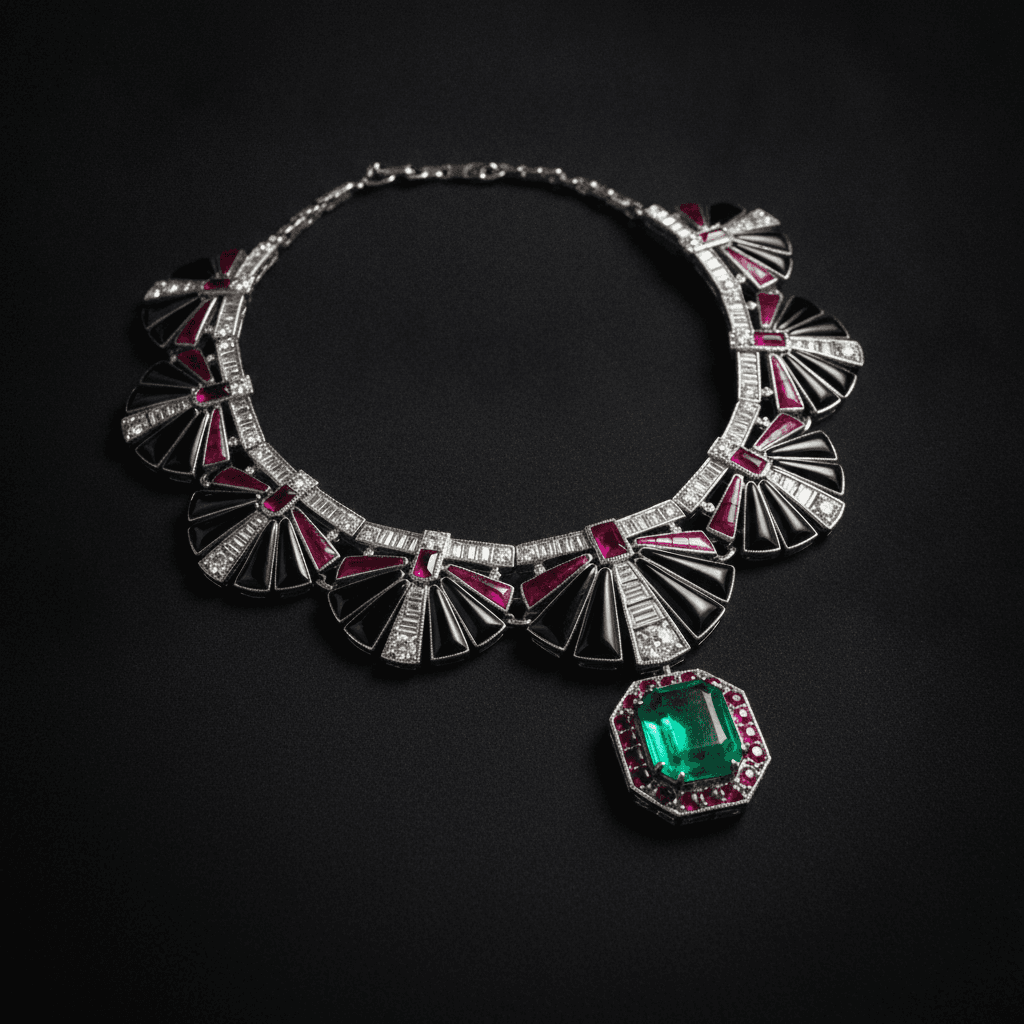
What Is Statement Jewelry? A Visual Identification Guide
Statement jewelry is defined by visual or conceptual emphasis rather than a fixed size. Learn how scale, placement, contrast, material, movement, and relationship to the body help describe a bold piece accurately.
Read guide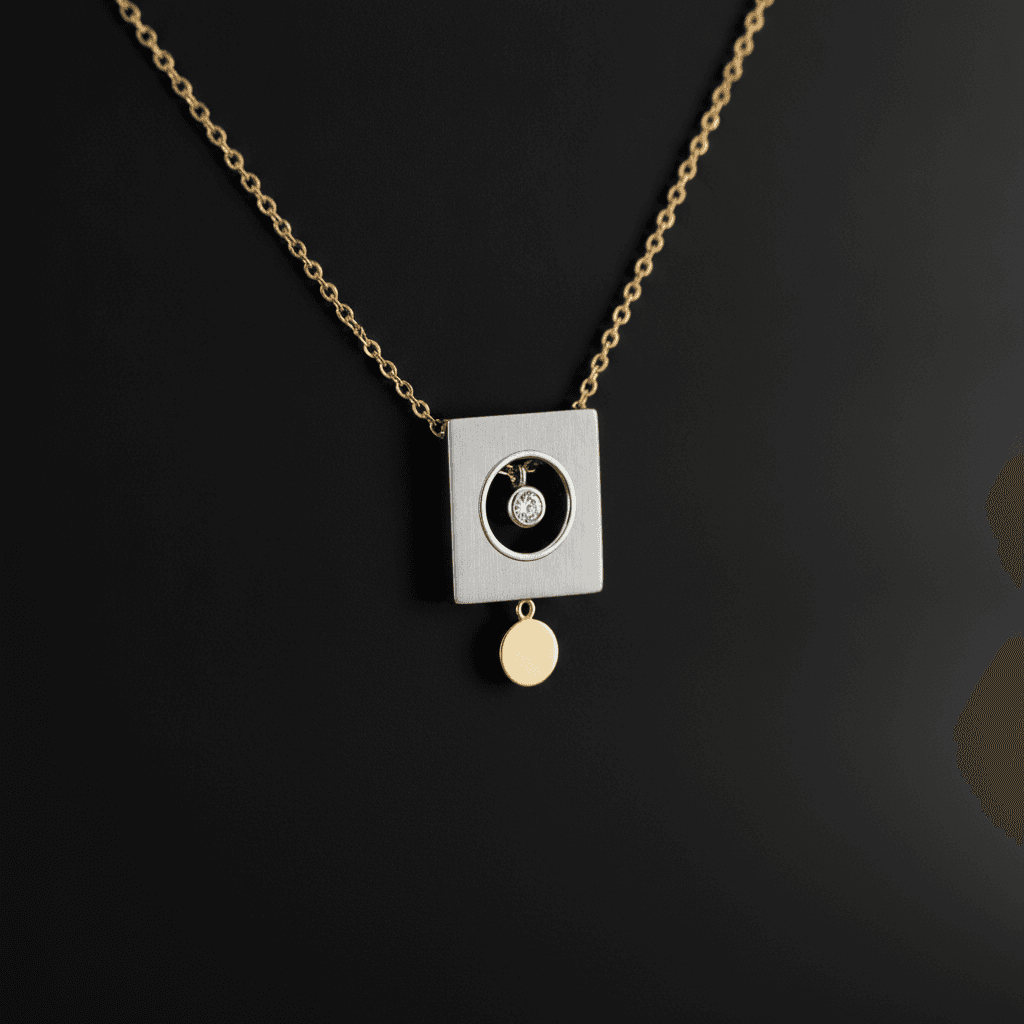
Minimalist Jewelry: How to Recognize Restraint in Form
Minimalist jewelry uses reduction, proportion, material, and negative space rather than fixed chain or pendant sizes. Learn to describe minimalist influence without confusing simplicity with age, quality, or value.
Read guide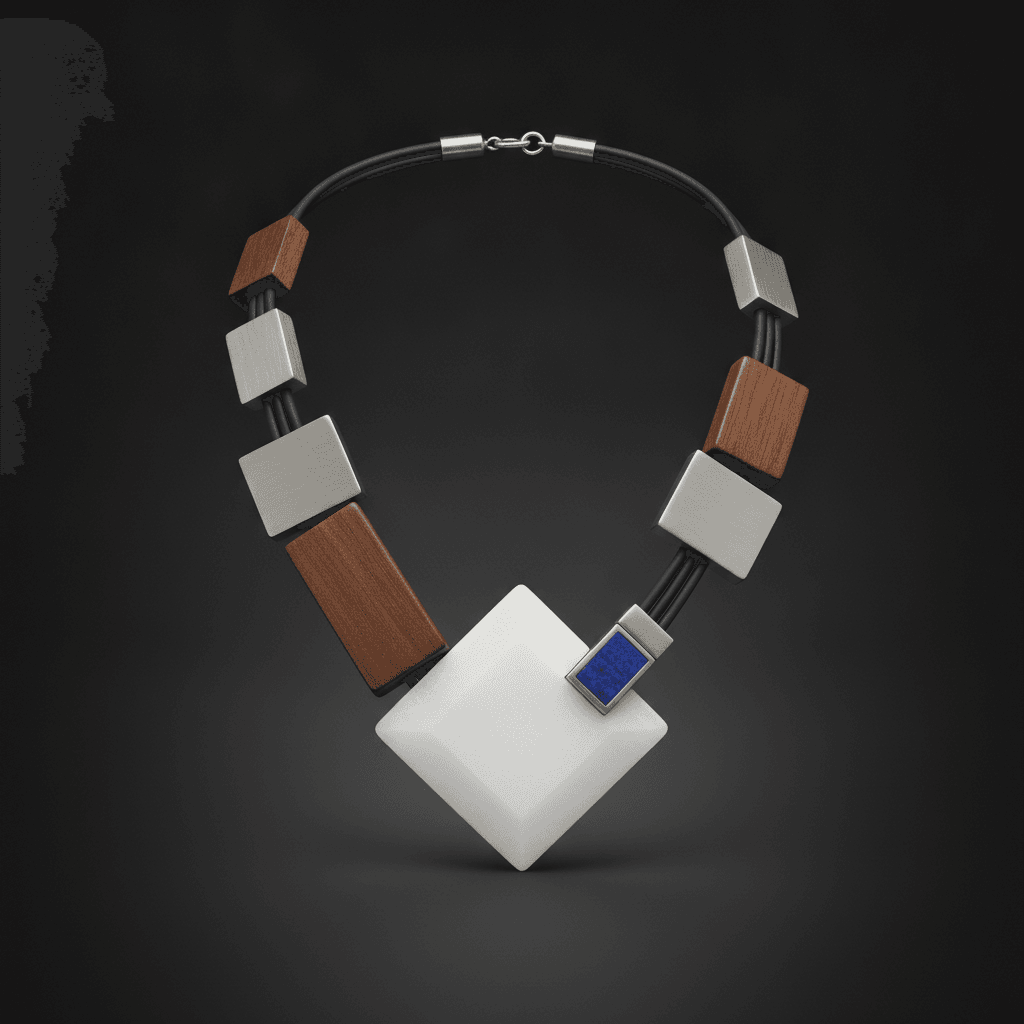
Contemporary Jewelry: Materials, Ideas, and Modern Movements
Contemporary jewelry can prioritize concept, body, process, and unconventional materials as much as preciousness. Learn how studio, art, modernist, and contemporary labels overlap—and how to document a piece responsibly.
Read guide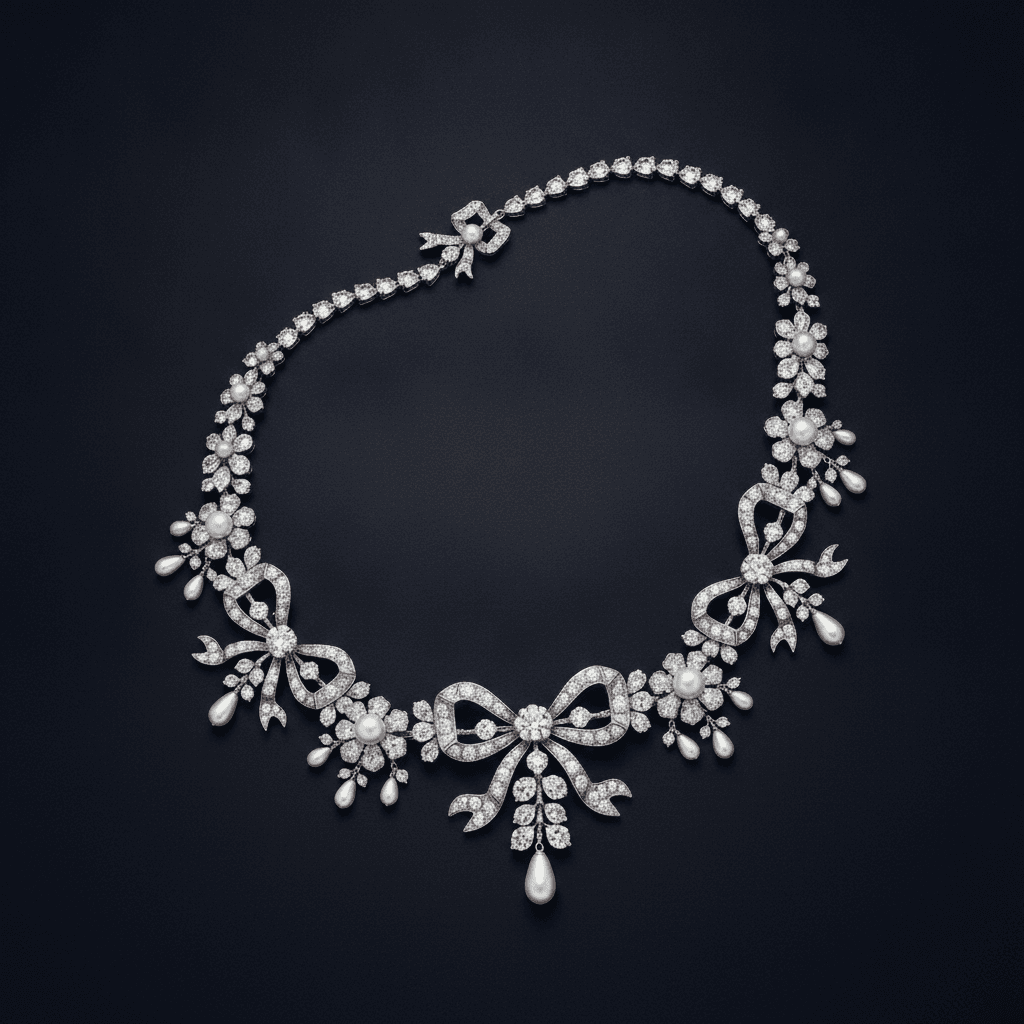
Belle Époque Jewelry: Garland Style, Platinum, and Dating Clues
Belle Époque jewelry overlaps with French Art Nouveau, British Edwardian design, and the Garland style. Learn which visual clues support the label, what the dates mean, and why photographs cannot confirm age or authenticity.
Read guide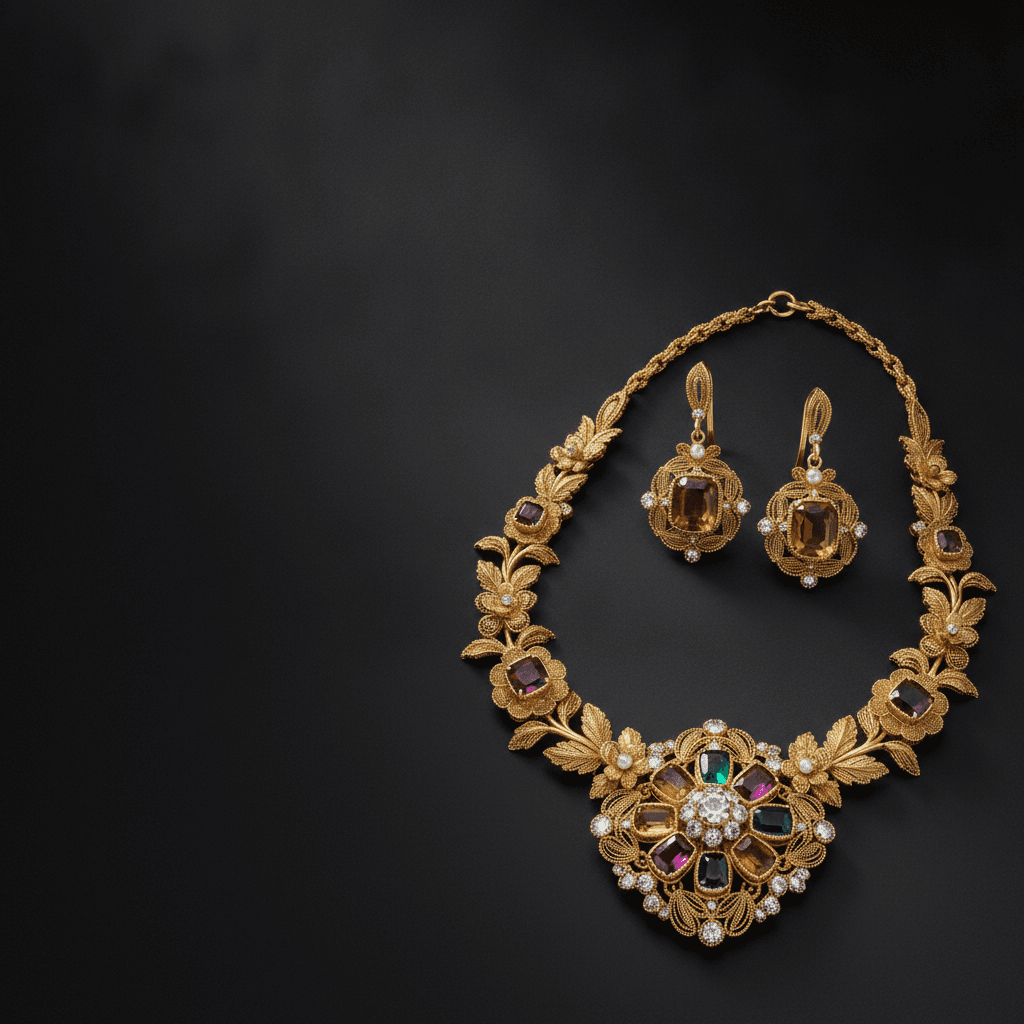
Georgian Jewelry: Dates, Design, and Identification Clues
Georgian jewelry spans a long, varied period rather than one fixed look. Learn how court diamonds, closed settings, early nineteenth-century naturalism, construction, provenance, and later revivals affect identification.
Read guide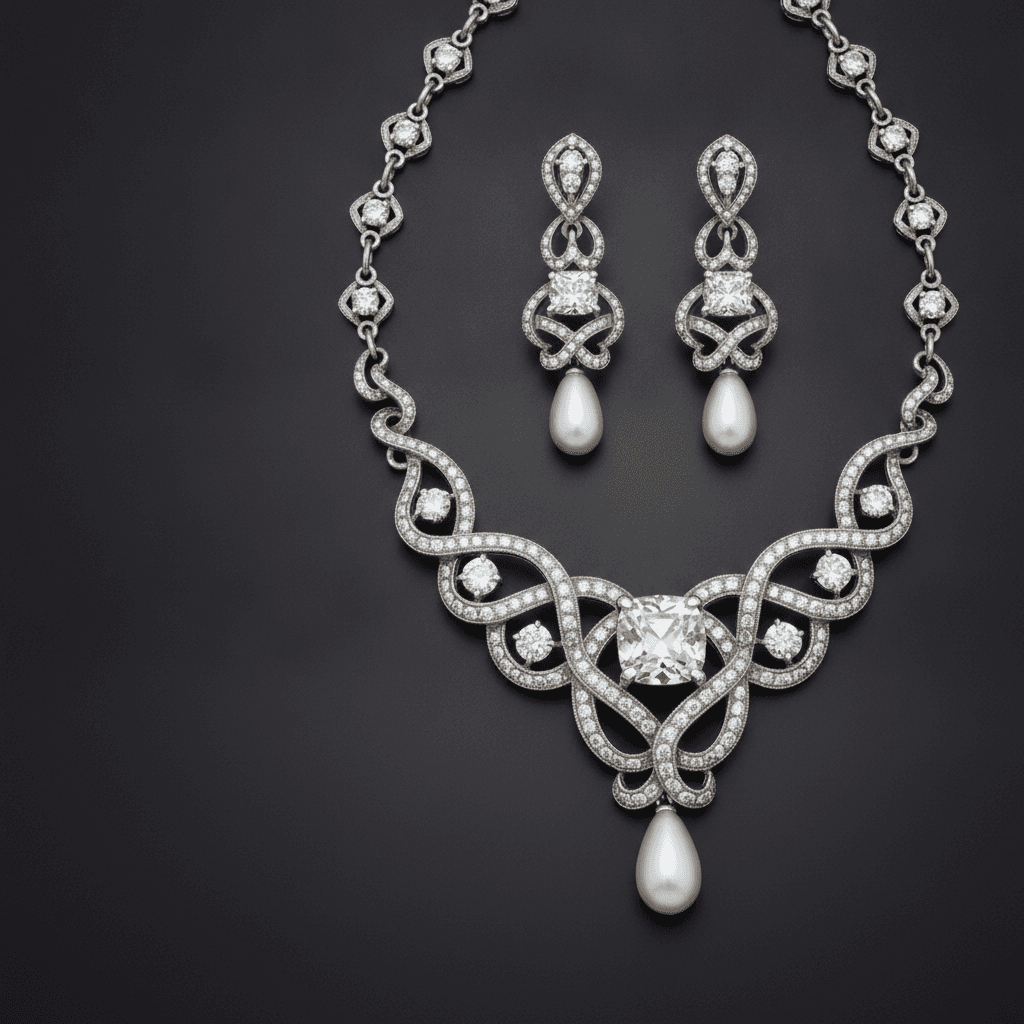
Edwardian Jewelry: Platinum, Garland Motifs, and Identification
Edwardian jewelry is associated with British elite design around 1900–1915, especially platinum, diamonds, pearls, symmetry, and Garland motifs. Learn how to separate style clues from proof of period or material.
Read guide
Mid-Century Modern Jewelry: 1950s–1960s Identification Guide
Mid-century jewelry includes gem-rich fine jewelry, abstract studio work, Scandinavian modernism, and experimental materials—not one uniform look. Learn how to document form, maker, construction, and date.
Read guide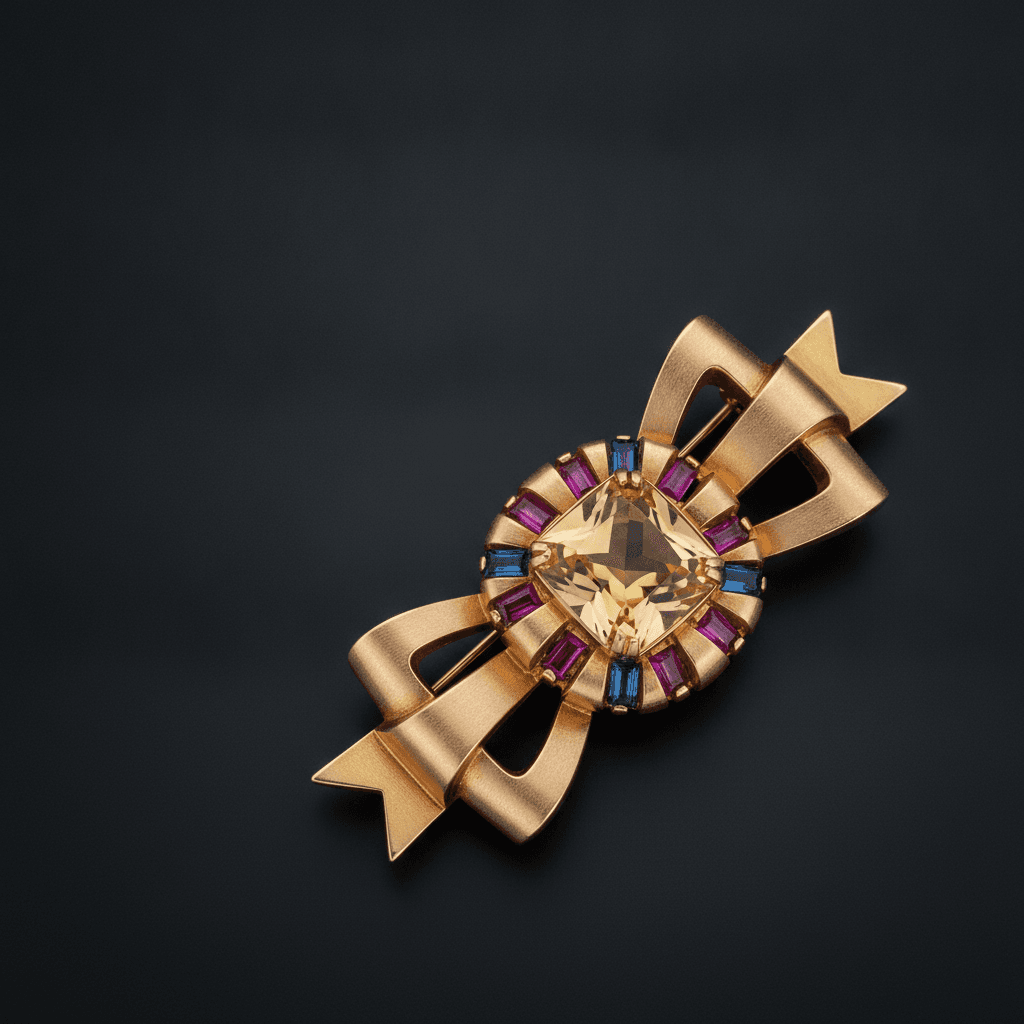
Retro Jewelry of the 1940s: Identification and Dating Clues
Retro jewelry developed around the Second World War with substantial gold, softened geometry, curves, color, and versatile forms. Learn how it differs from Art Deco and 1950s jewelry—and why style alone cannot prove age.
Read guide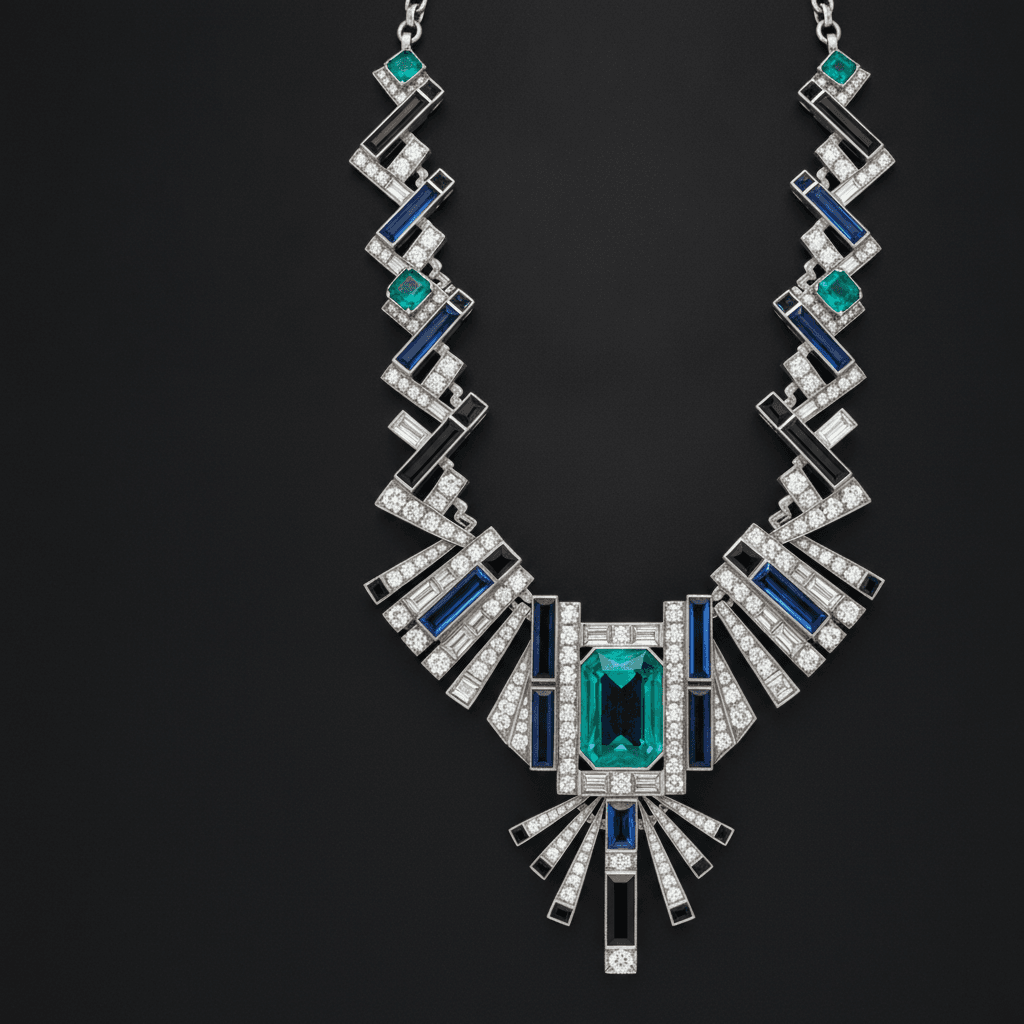
Art Deco Jewelry: Geometry, Color, and Identification Clues
Art Deco jewelry is associated with modern geometry, dense gemstone settings, international influences, and 1920s–1930s design. Learn how to distinguish period work from Edwardian pieces and later revivals.
Read guide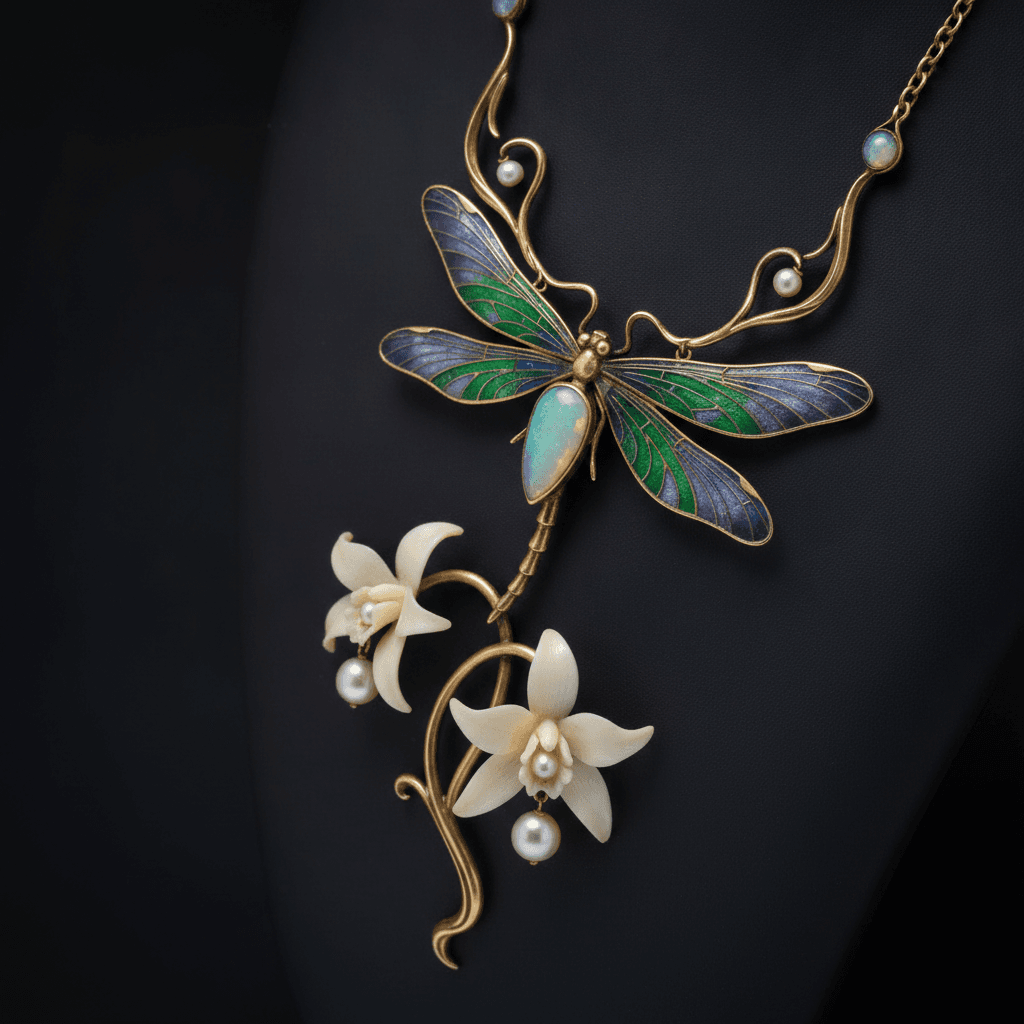
Art Nouveau Jewelry: Nature, Enamel, and Identification Clues
Art Nouveau jewelry used sinuous lines, natural forms, figures, enamel, glass, horn, opal, and expressive craftsmanship around the turn of the twentieth century. Learn how to distinguish it from Garland and later revival work.
Read guide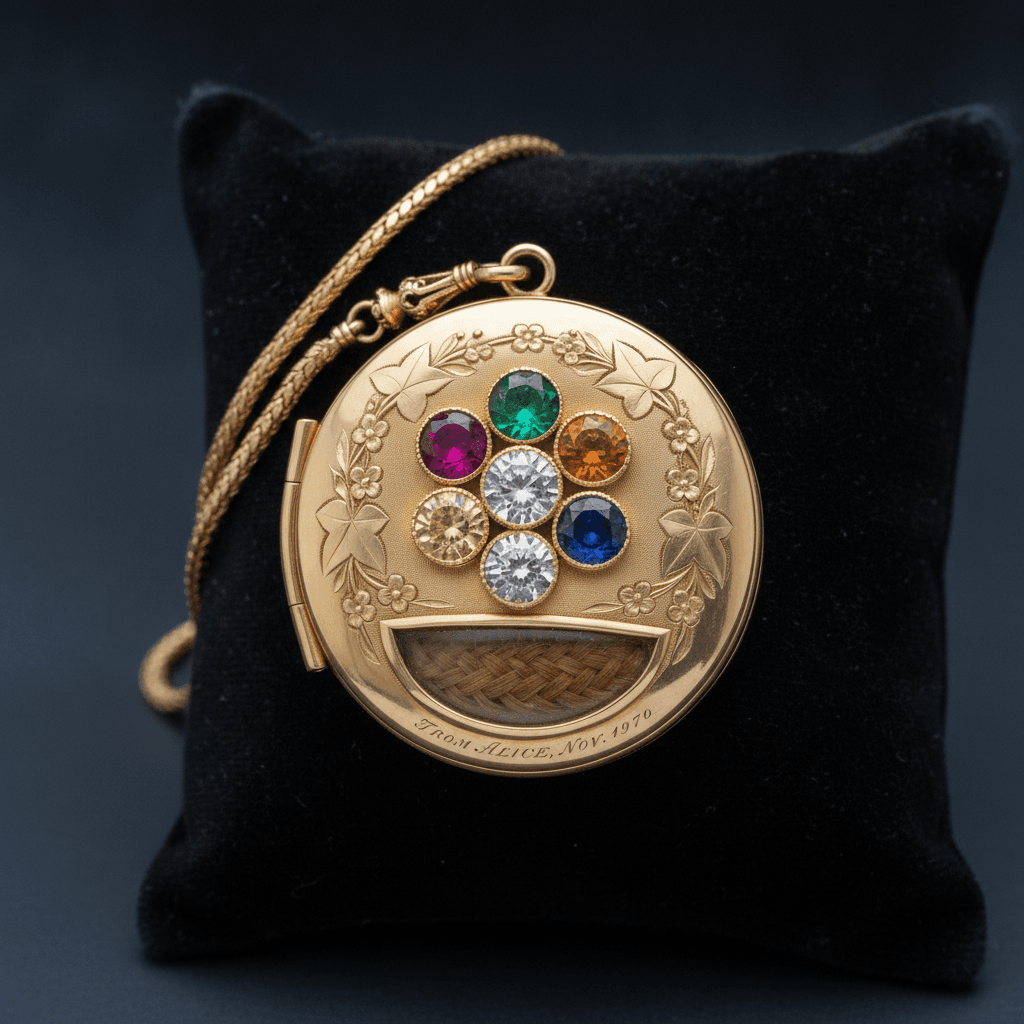
Victorian Jewelry: Periods, Motifs, and Identification Clues
Victorian jewelry spans Queen Victoria’s 1837–1901 reign and includes revival, naturalistic, sentimental, mourning, mass-produced, and artistic work. Learn how to identify clues without relying on a simplified three-period formula.
Read guideSources and further reading
This guide summarizes the official and institutional references below. Open the original source for its full scope, jurisdiction, definitions, and updates.
Gemological Institute of America
GIA jewelry reportsDescribes the observations and testing possible for mounted jewelry, including limitations created by settings.
https://www.gia.edu/gem-lab-service/jewelry
U.S. Federal Trade Commission
Jewelry GuidesOfficial guidance on truthful descriptions of jewelry materials, qualities, treatments, and origins.
https://www.ftc.gov/news-events/topics/tools-consumers/jewelry-guides
Continue your research
Start with a structured photo screen
Capture the whole piece, every mark, construction details, and condition. The photo tool will organize visible clues and tell you where uncertainty remains.
Scan a jewelry photo