A photograph can narrow a gemstone to plausible families, but color alone is not an identification. Lighting, camera processing, treatments, simulants, and a closed setting can all change what is visible.
Use the guides here to build a vocabulary for the clues you can observe, then decide whether the question requires an independent gemological report or in-person testing.
Questions this section can help answer
- Which visual features are useful clues, and which are easily misleading?
- How do treatments, laboratory-grown stones, and simulants change the next step?
- When is a laboratory report more appropriate than a visual screen?
Gemstones articles
Every entry below passes the article-specific source, provenance, and index-approval gates.
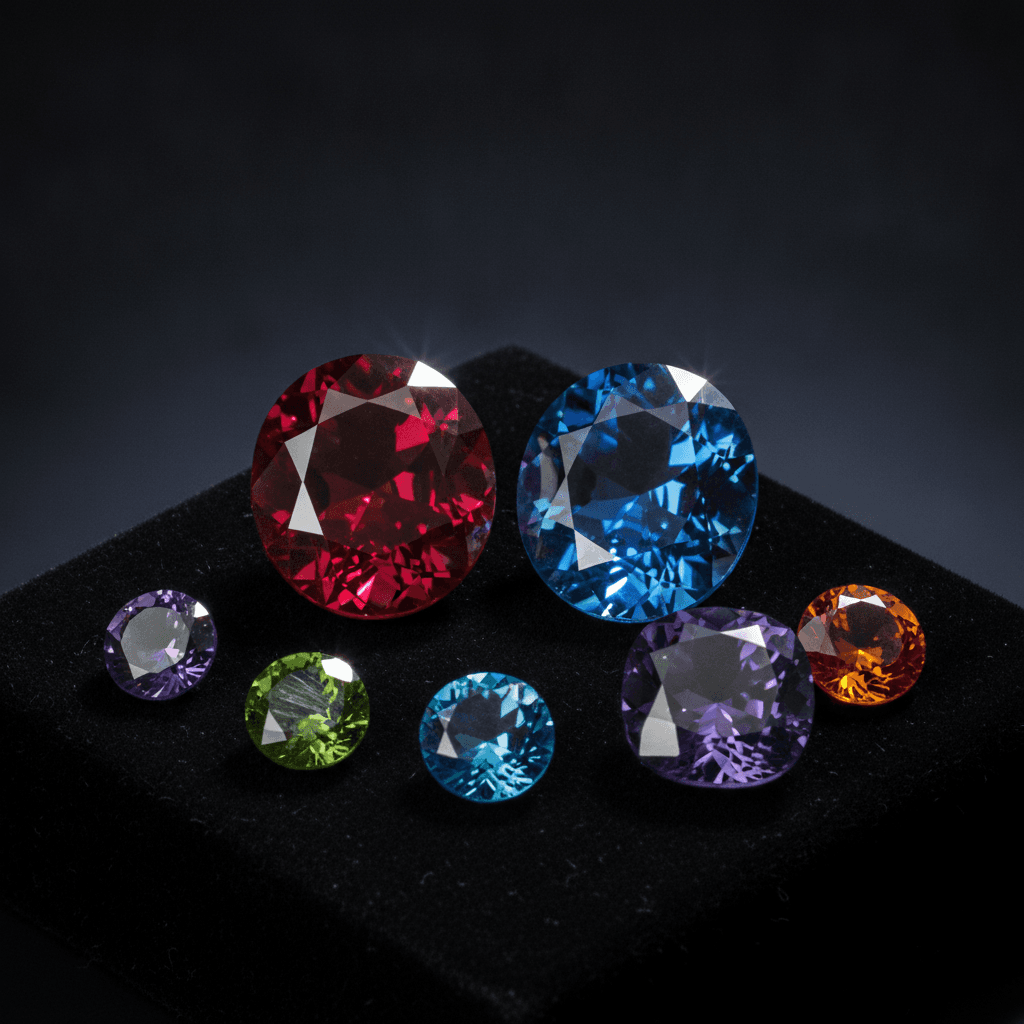
Precious vs. Semi-Precious Gemstones: What the Labels Really Mean
Precious and semi-precious are traditional labels, not a dependable ranking of rarity, durability, quality, or value. Learn what the terms communicate, where they fail, and which stone-specific questions are more useful.
Read guide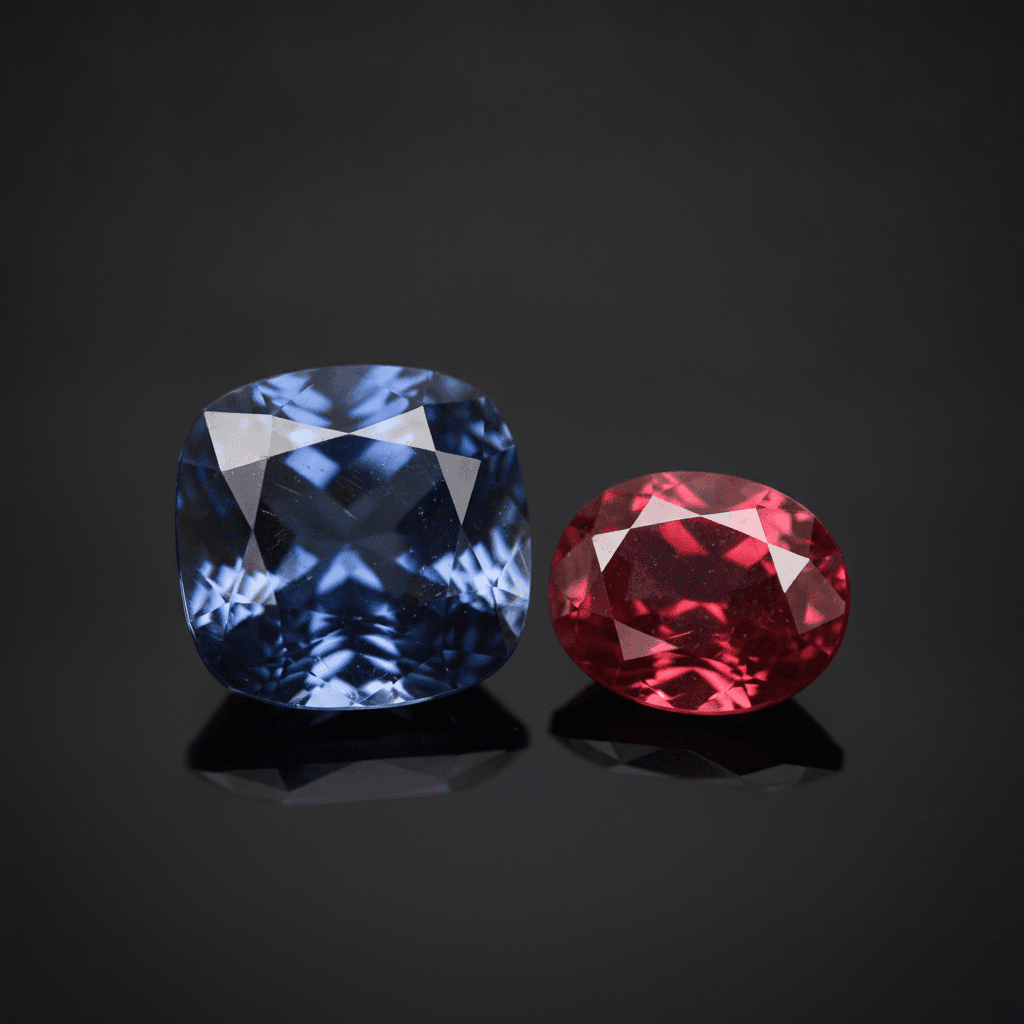
How Colored Gemstones Are Evaluated: Color, Clarity, Cut, and Size
Color, clarity, cut, and size can organize a colored-stone inspection, but there is no single consumer grade that works identically across every gem. Learn how the factors interact and what a laboratory report can actually establish.
Read guide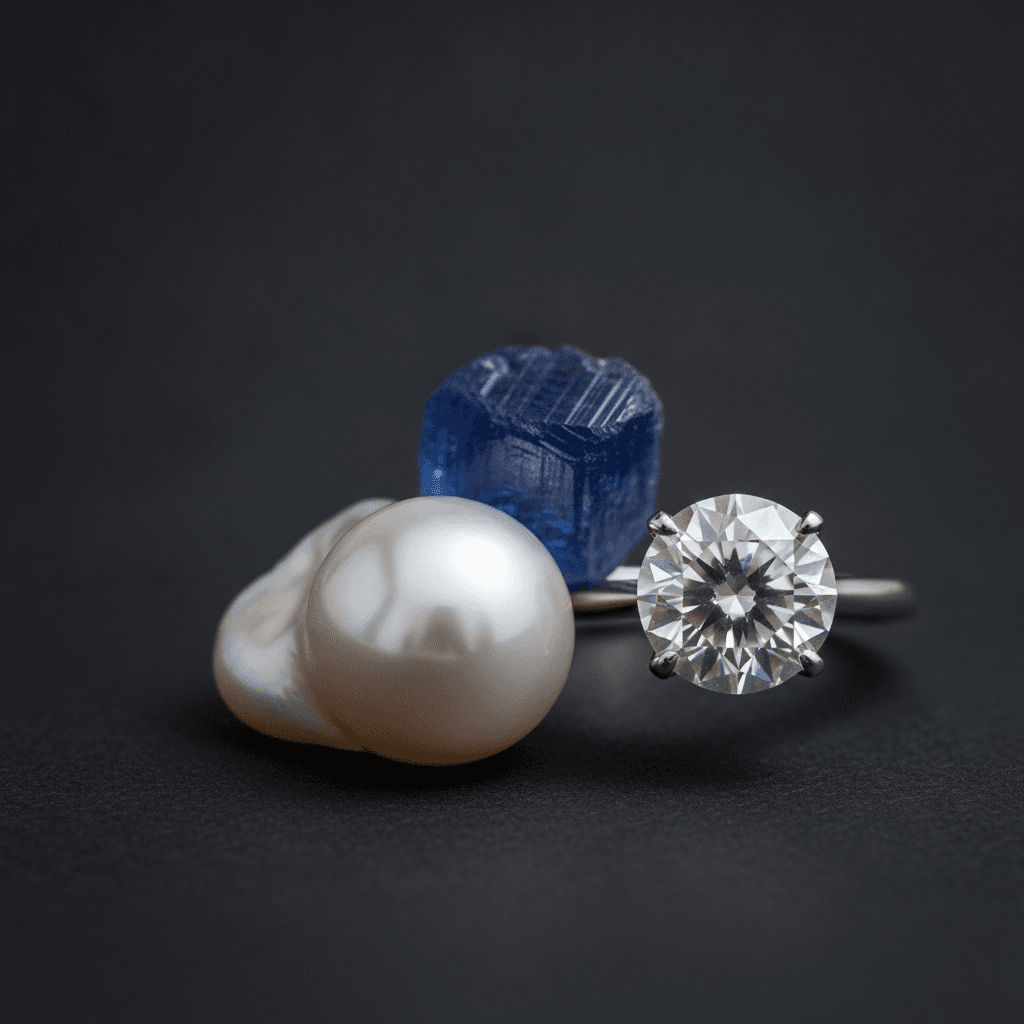
Mohs Hardness Scale for Gemstones: What It Measures and What It Misses
The Mohs scale ranks scratch resistance, not overall gemstone durability. Learn how hardness differs from toughness and stability, why the scale is not linear, and how to make safer jewelry-care decisions.
Read guide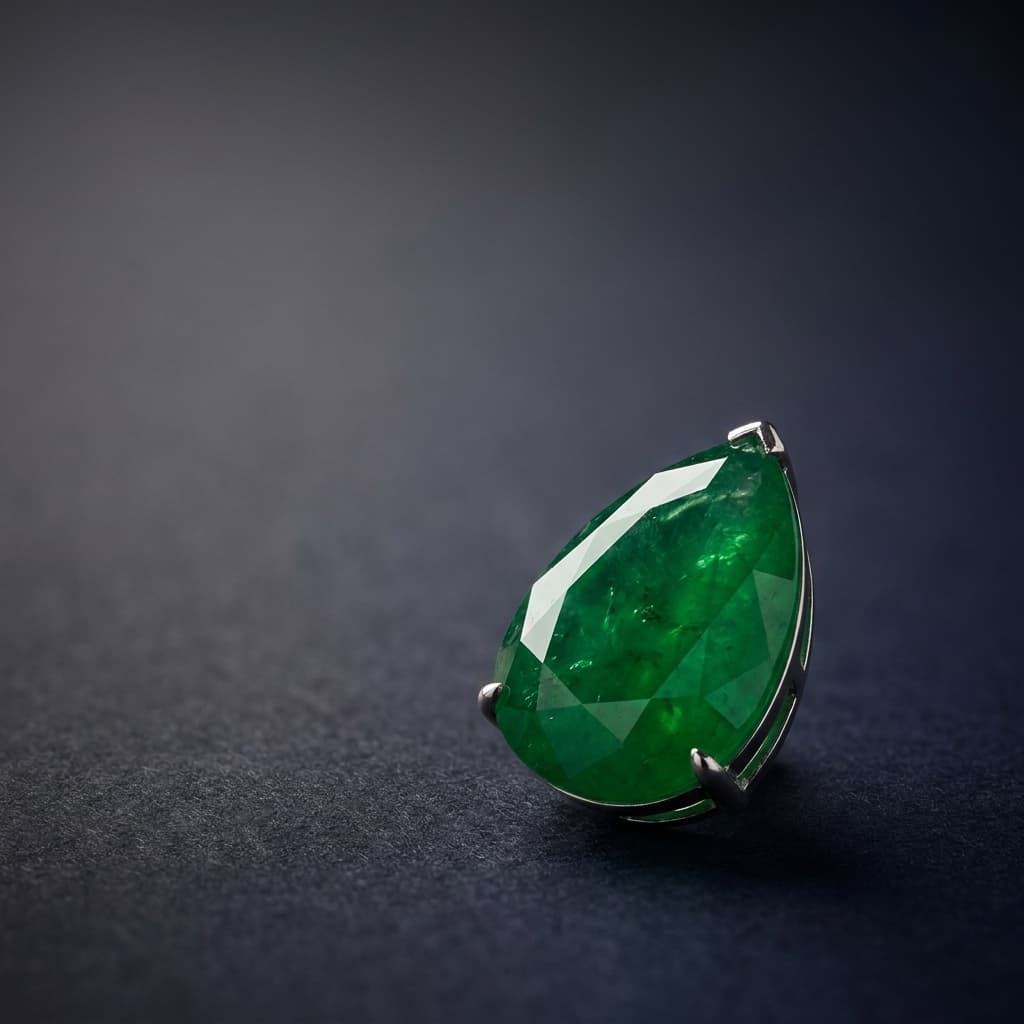
Jadeite vs. Nephrite: Jade Types, Treatments, Care, and Cultural Context
Jade is an umbrella term for jadeite and nephrite, with different structures, colors, treatments, and market conventions. Learn what those names mean, why home tests are unreliable, and how to document jade responsibly.
Read guide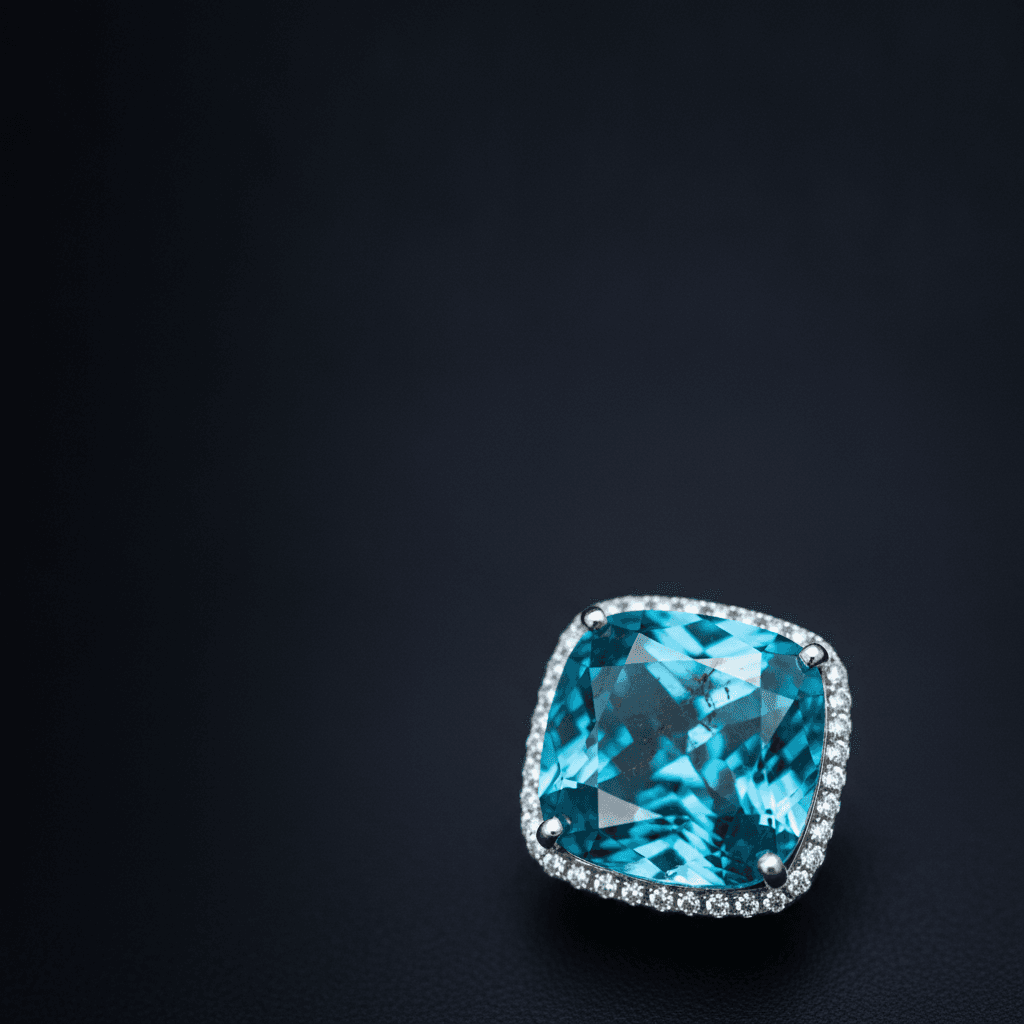
Turquoise Jewelry: Color, Matrix, Treatments, Care, and Southwest Context
Turquoise can contain matrix and may be impregnated, dyed, coated, reconstructed, or imitated. Learn what photos can document, what they cannot prove, how treatment affects care, and how to discuss Southwest jewelry precisely.
Read guide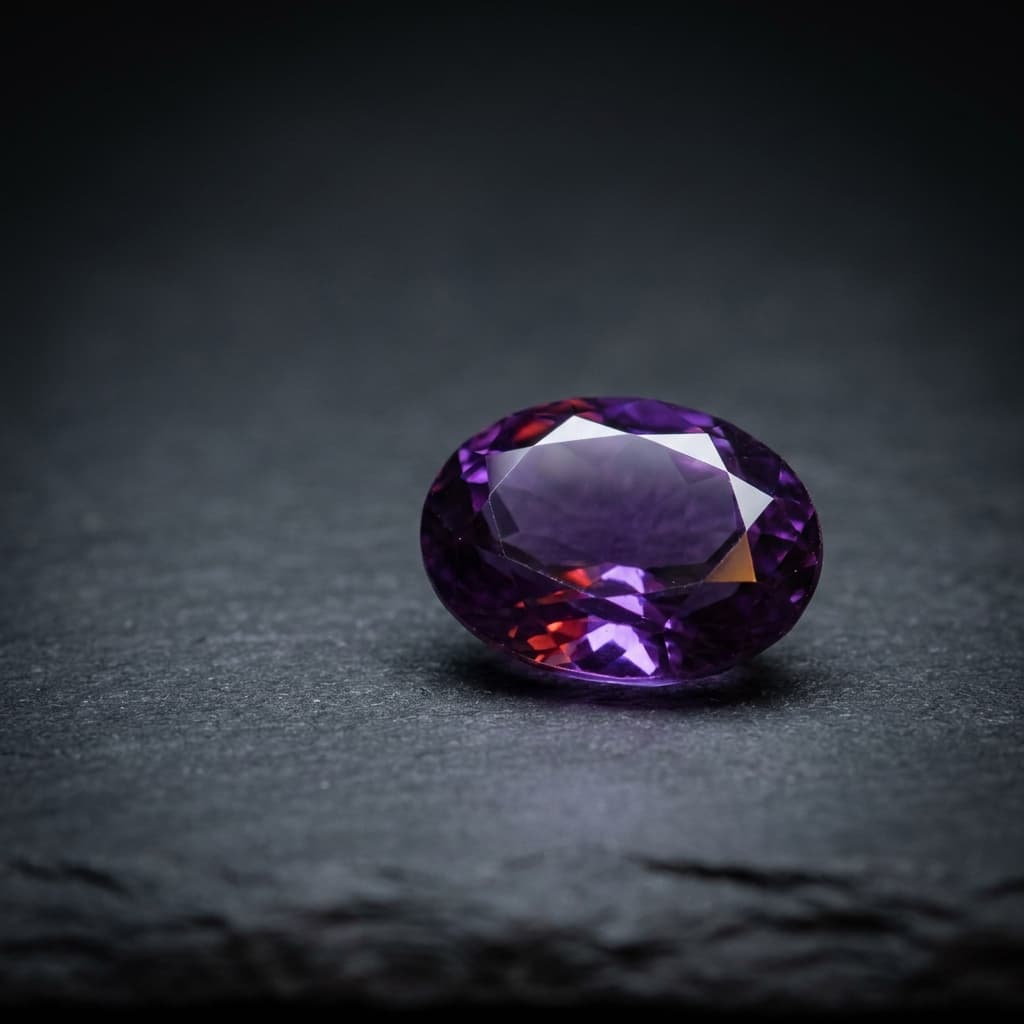
Amethyst Jewelry Guide: Color, Quality, Treatments, and Care
Amethyst is purple quartz whose appearance depends strongly on color, zoning, cut, and lighting. Learn what to look for, how natural and laboratory-grown material are separated, and how to care for amethyst safely.
Read guide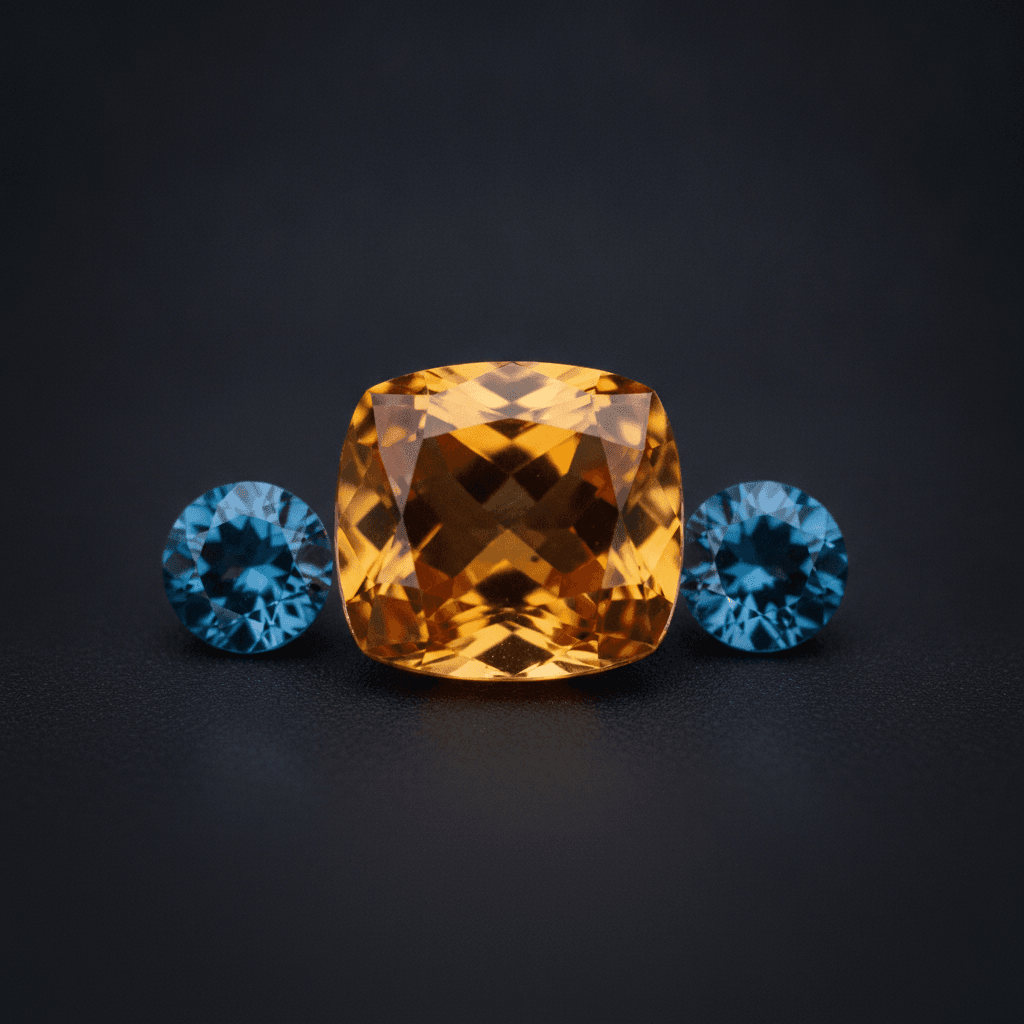
Topaz Jewelry Guide: Colors, Treatments, Durability, and Care
Topaz occurs in many colors, and much blue topaz is produced by irradiation followed by heat. Learn how trade names, treatment, cleavage, cut, and care affect a topaz purchase.
Read guide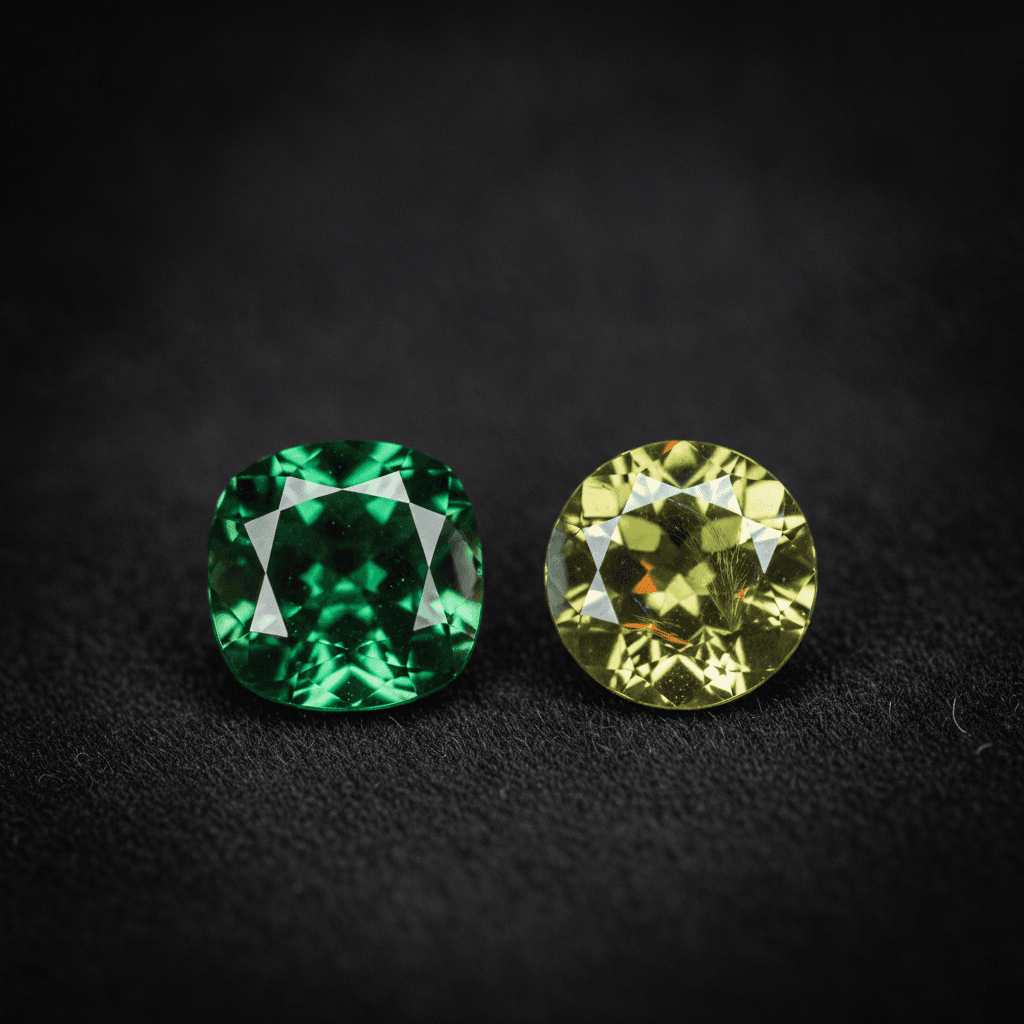
Garnet Colors and Varieties: A Practical Jewelry Guide
Garnet is a group of related minerals found in red, orange, green, purple, and color-change varieties. Learn the main names, quality factors, durability limits, and why color alone cannot identify a garnet.
Read guide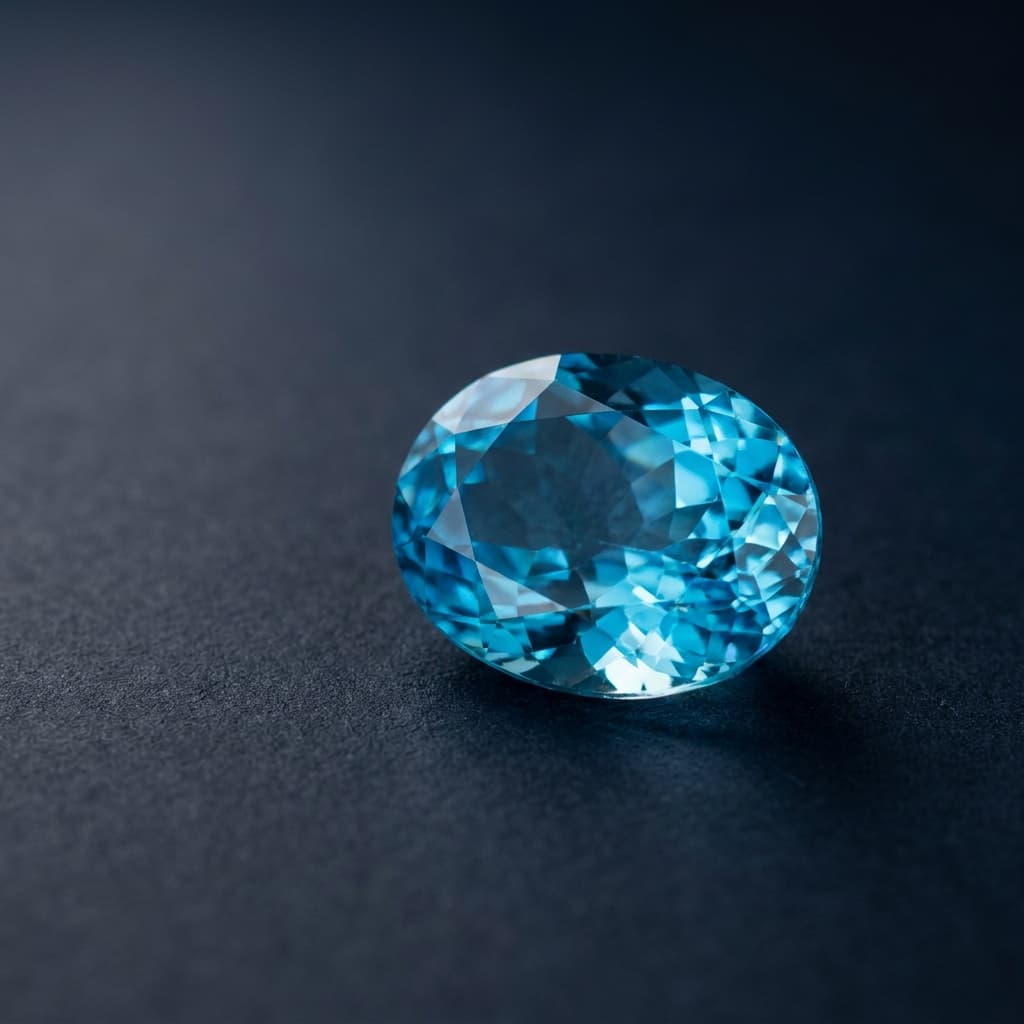
Aquamarine Jewelry Guide: Color, Heat Treatment, Quality, and Care
Aquamarine is the blue to greenish-blue variety of beryl. Learn how color, clarity, cut, heat treatment, durability, and laboratory reports affect an aquamarine purchase and care plan.
Read guide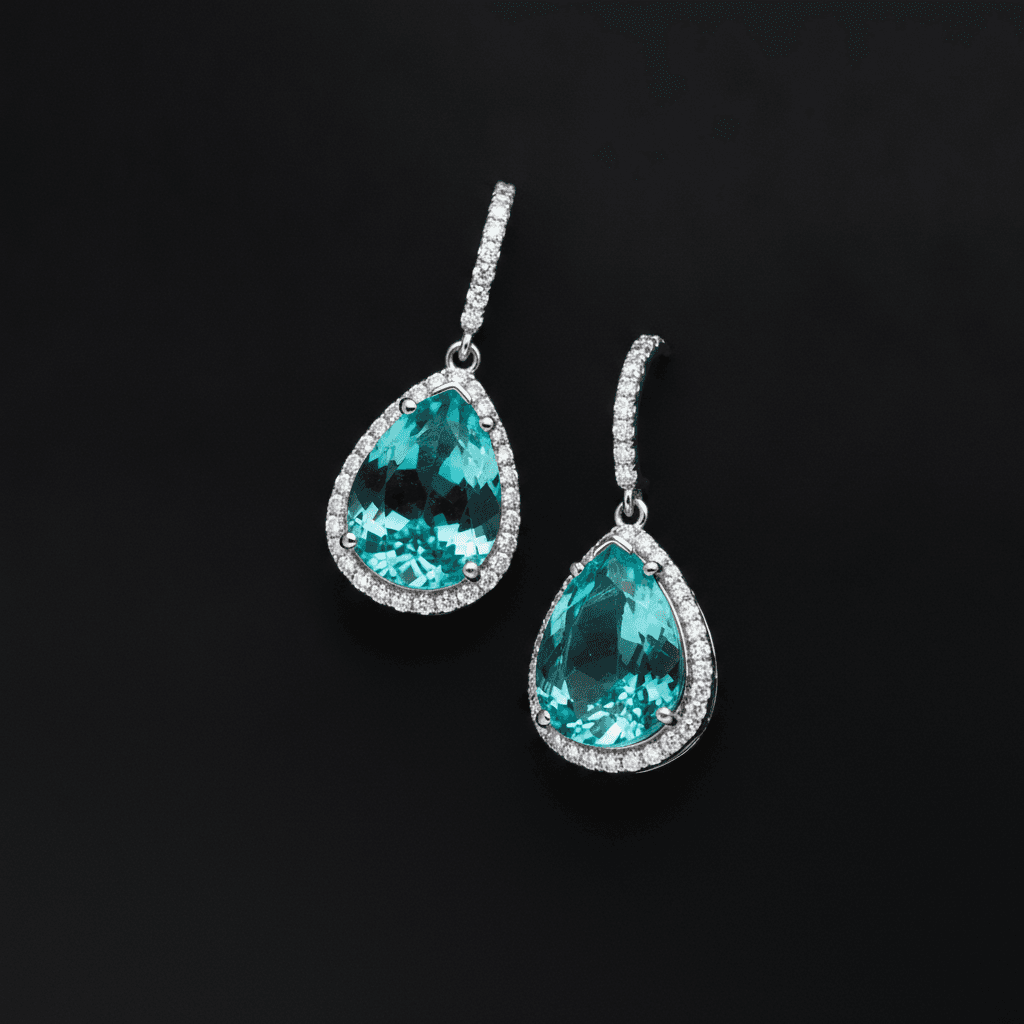
Tourmaline Colors and Varieties: Quality, Treatments, and Care
Tourmaline is a mineral group with an unusually broad color range, including zoned and copper-bearing varieties. Learn how color names, laboratory origin opinions, treatments, durability, and care affect a purchase.
Read guide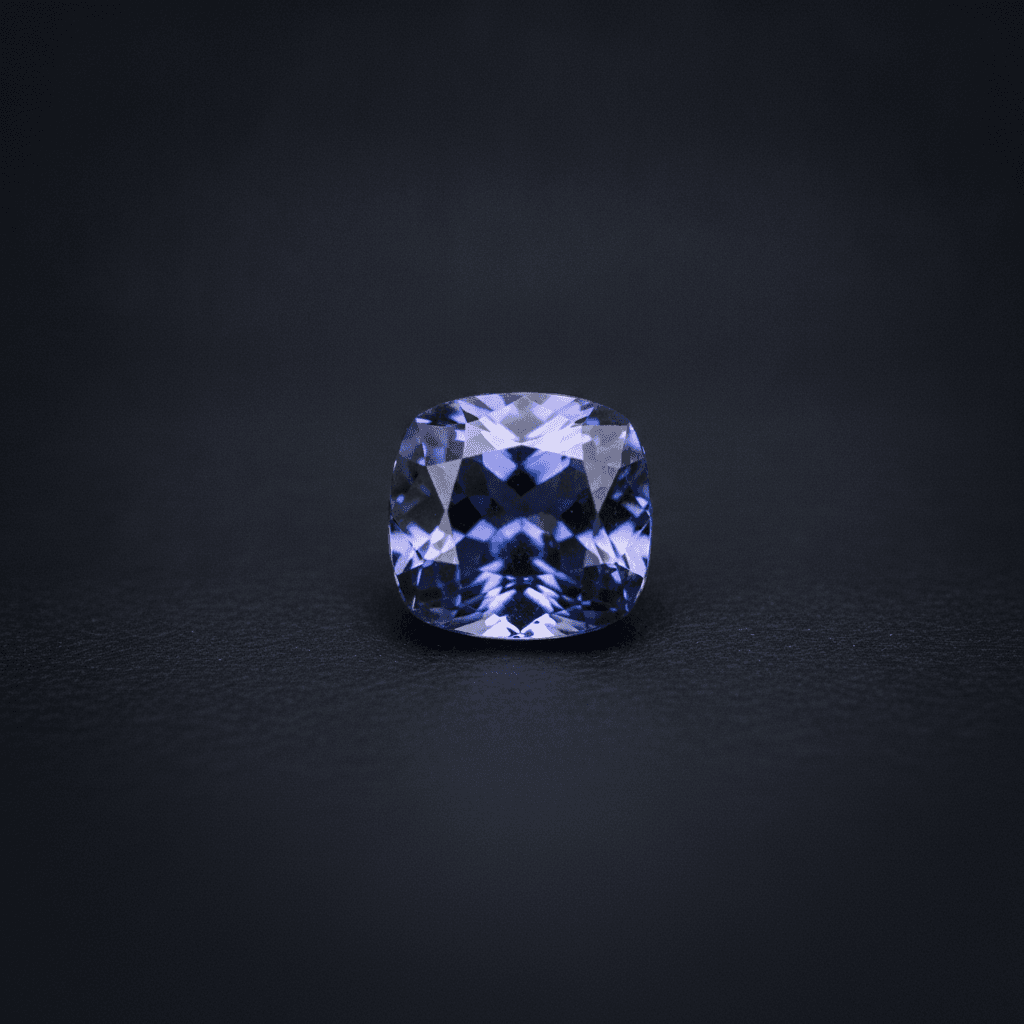
Tanzanite Guide: Color, Heat Treatment, Durability, and Buying Questions
Tanzanite is the blue-to-violet variety of zoisite commercially mined near Merelani, Tanzania. Learn about pleochroism, routine heat treatment, quality factors, care, and the limits of scarcity claims.
Read guide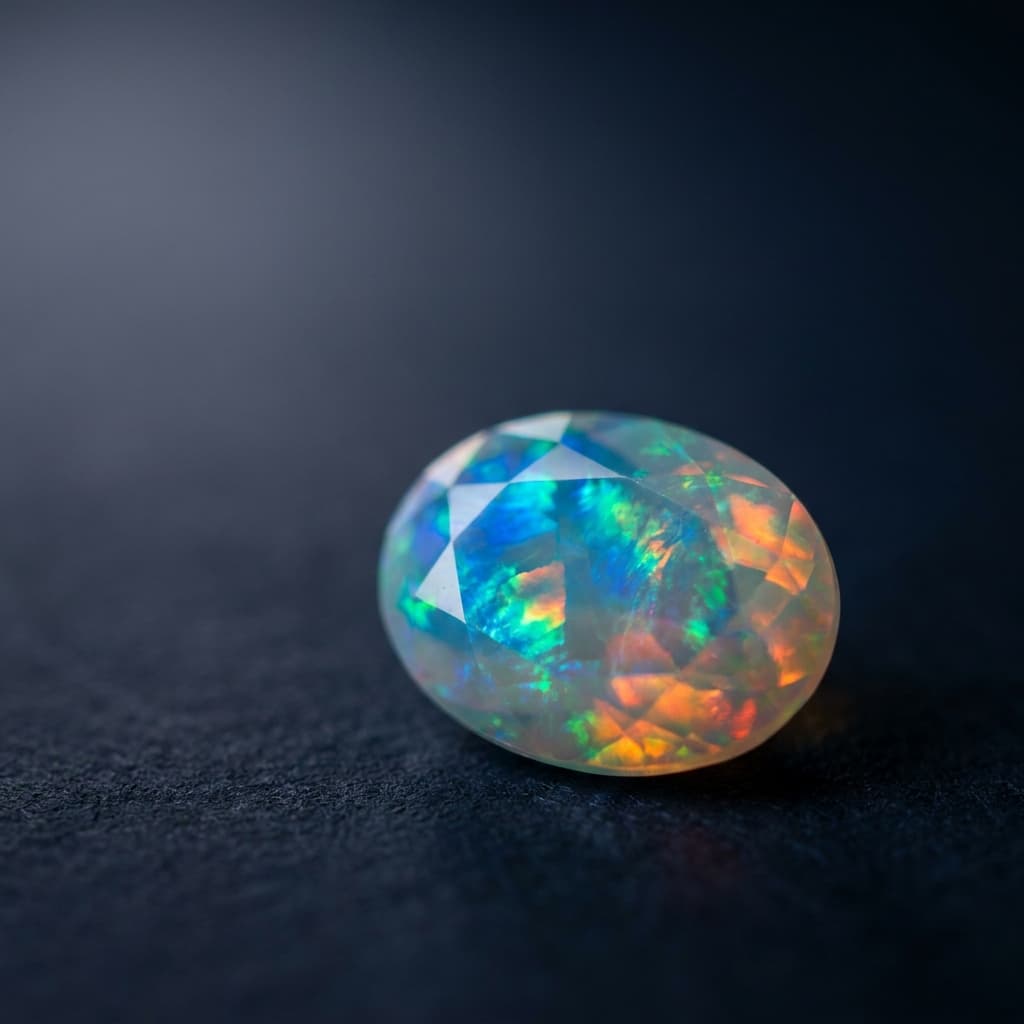
Opal Play-of-Color: Patterns, Quality Factors, Treatments, and Care
Precious opal displays play-of-color as light diffracts through ordered silica structures; common opal does not. Learn how pattern, brightness, bodycolor, construction, treatment, and care affect an opal.
Read guide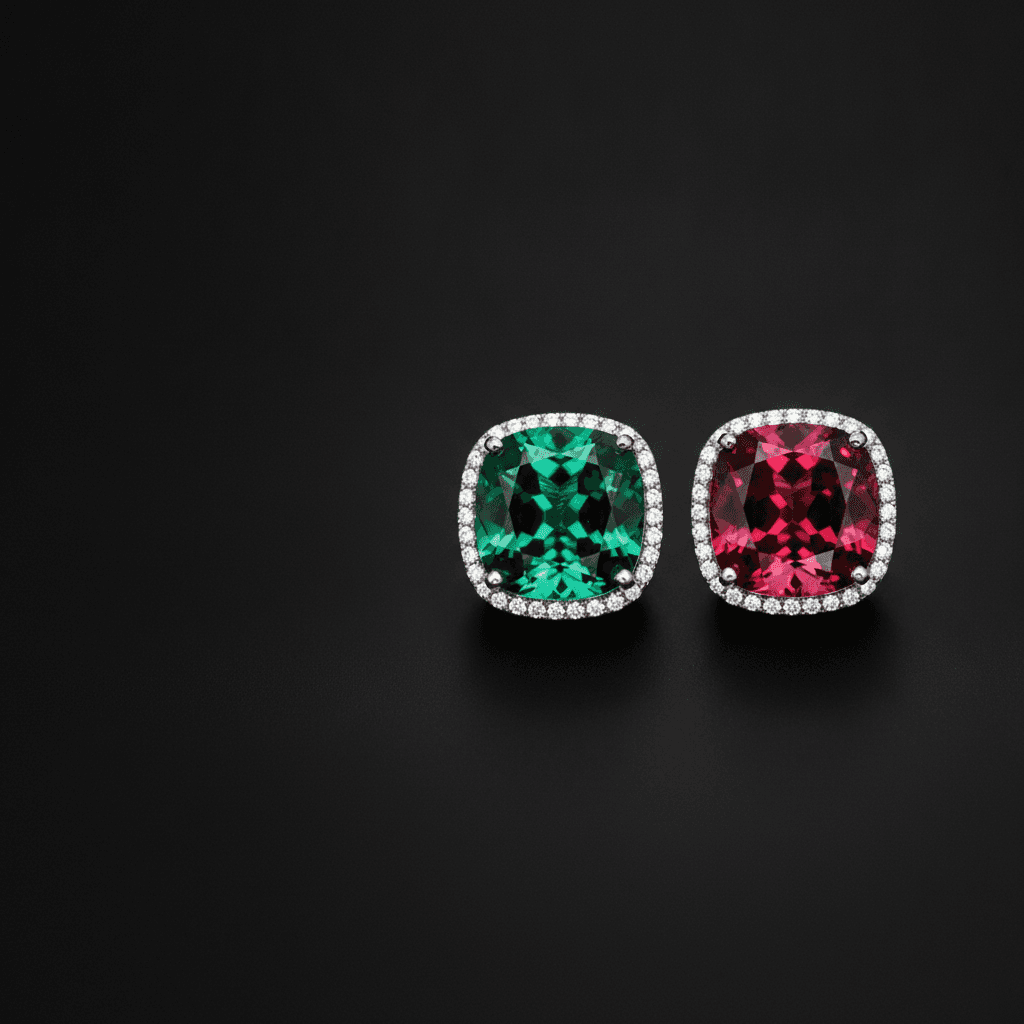
Alexandrite Color Change: Natural, Laboratory-Grown, and Imitation Stones
Alexandrite is a color-change variety of chrysoberyl, but color change alone does not prove natural alexandrite. Learn how lighting, quality factors, synthetics, simulants, reports, durability, and care fit together.
Read guide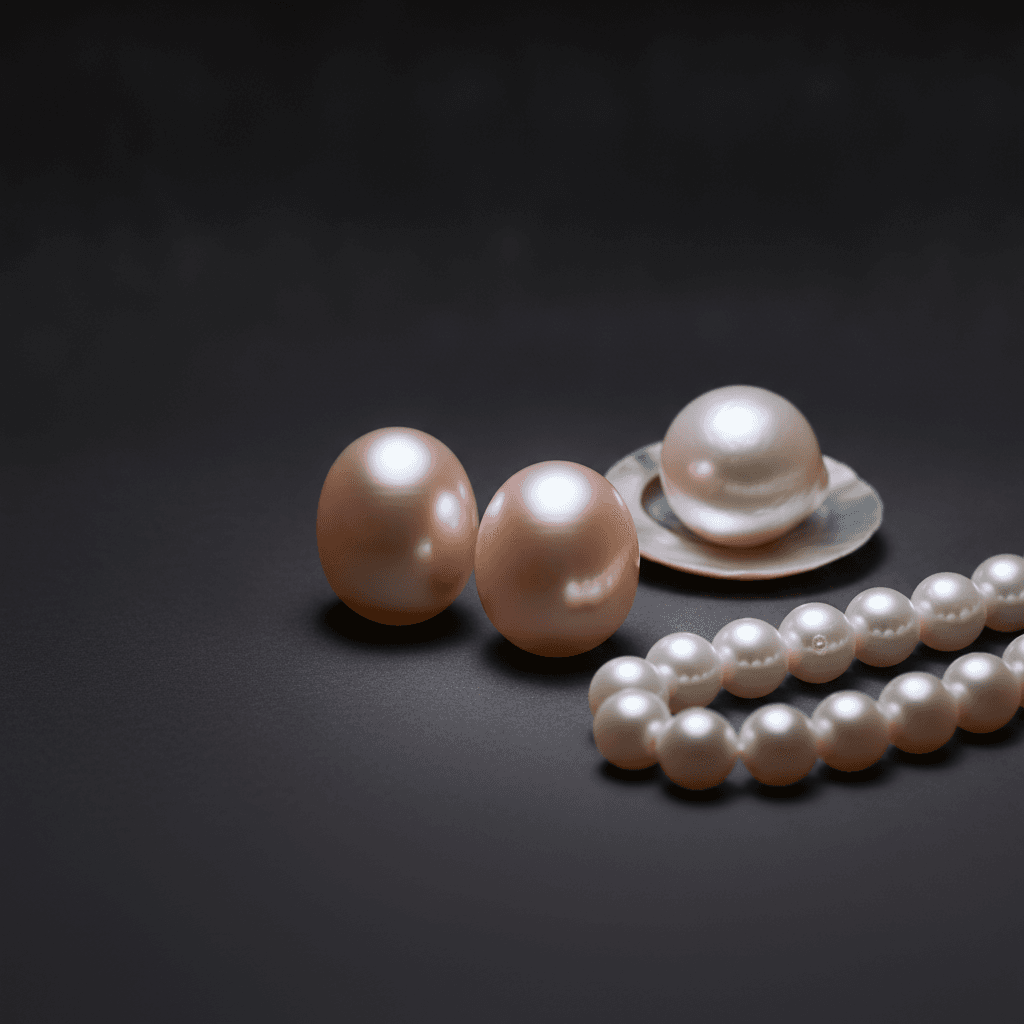
Natural vs. Cultured vs. Imitation Pearls: What Testing Can Show
Cultured pearls are real pearls formed with human intervention; natural pearls form without it, and imitations are different materials. Learn why surface tests are inconclusive and how laboratories use X-radiography and other methods.
Read guide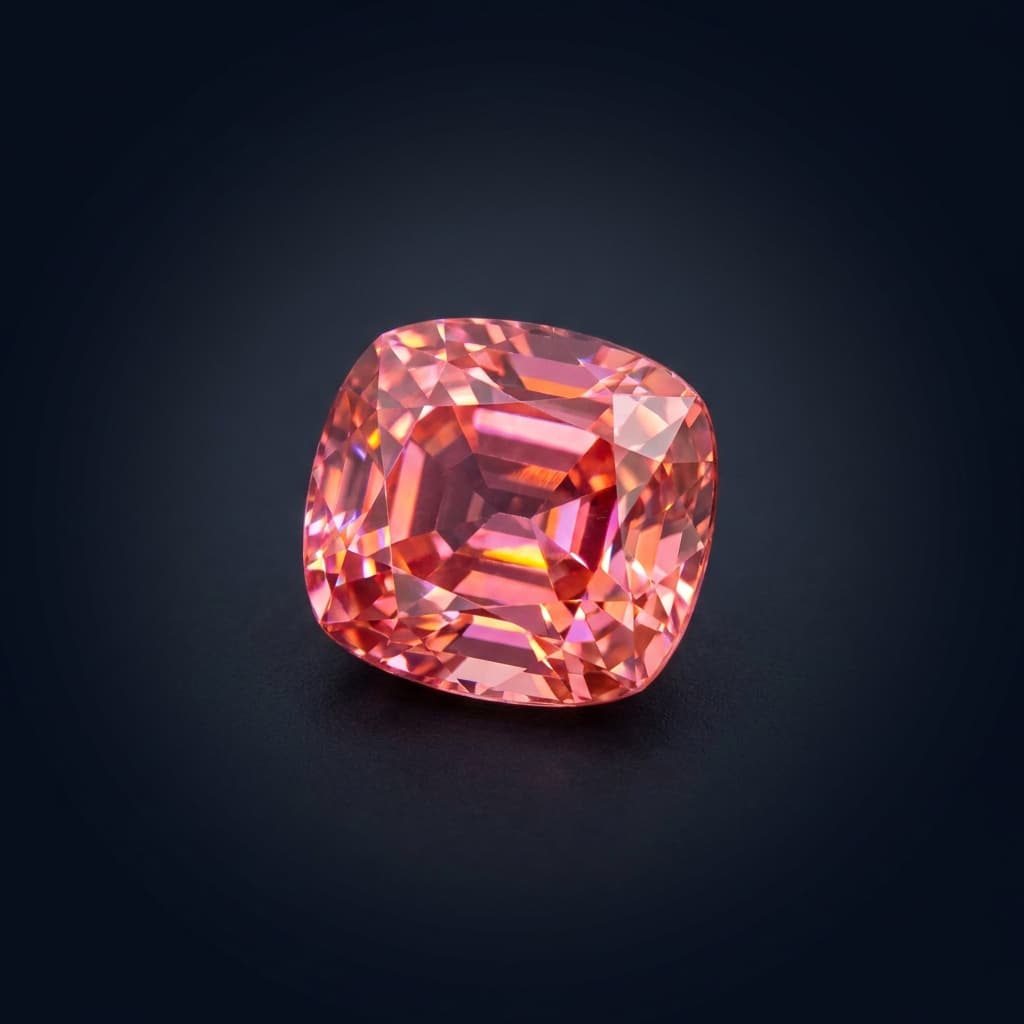
Sapphire Colors Beyond Blue: Fancy Sapphire, Treatments, and Quality
Sapphire is corundum in blue and many fancy colors; red corundum is classified as ruby. Learn how color terminology, heat and diffusion treatment, origin reports, durability, and care affect a sapphire purchase.
Read guide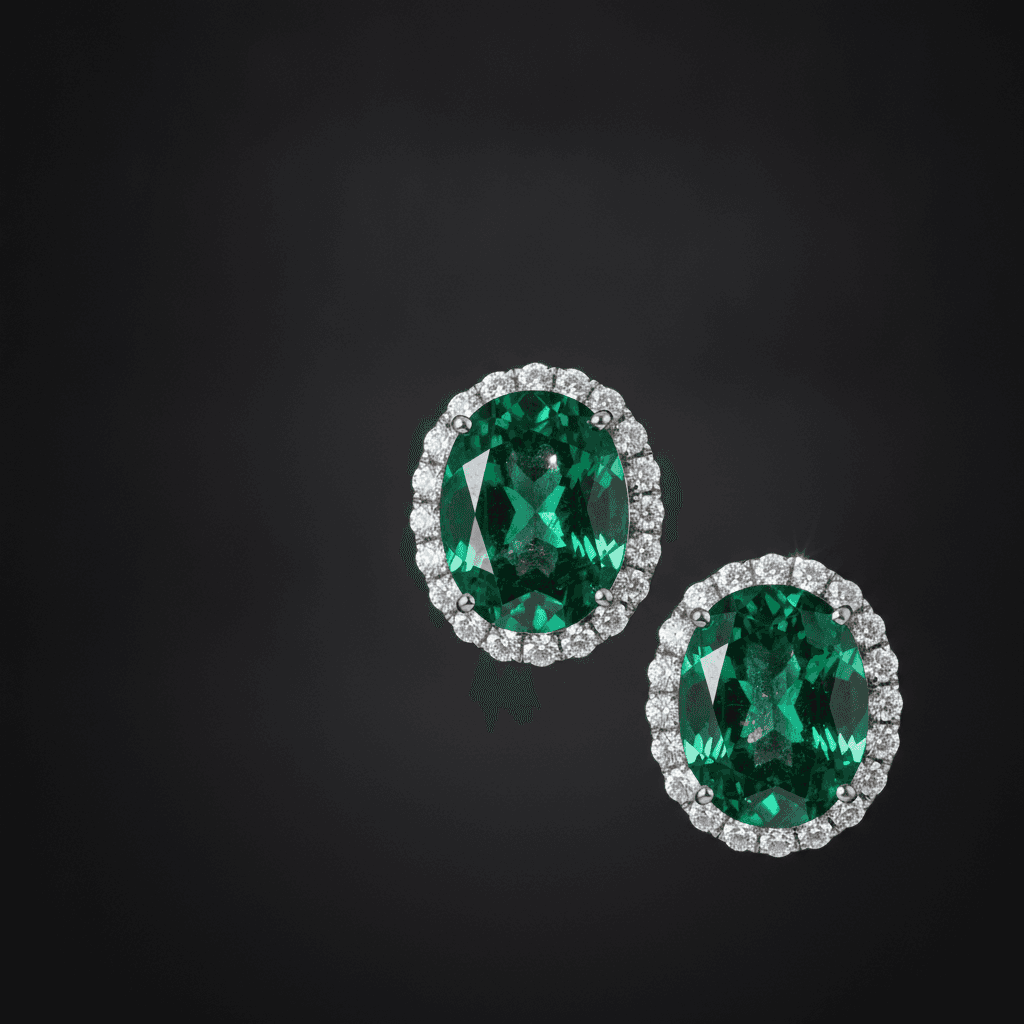
Emerald Treatments Explained: Oil, Resin, Reports, and Care
Many emeralds have surface-reaching fissures filled with oil or resin to improve apparent clarity. Learn how laboratories report clarity enhancement, what sellers should disclose, and how treatment changes care.
Read guide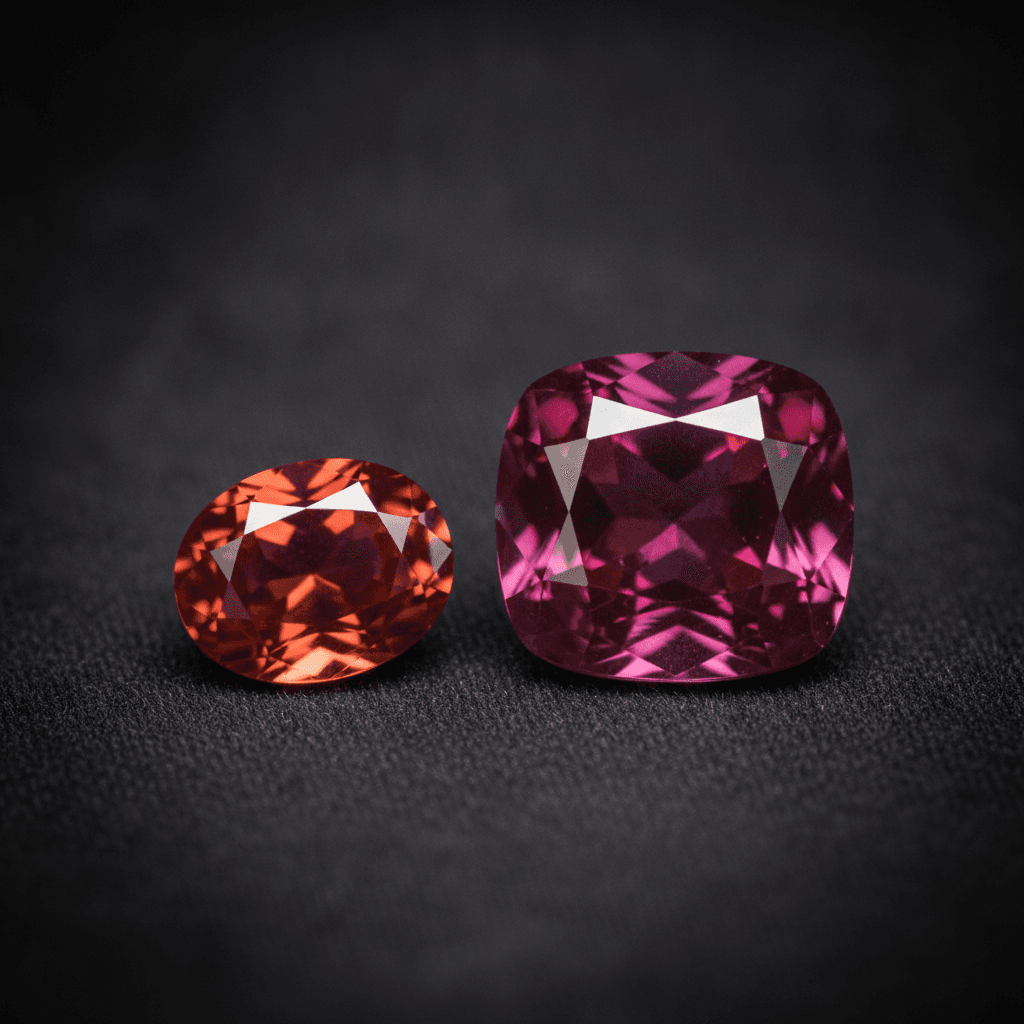
Ruby vs. Red Spinel: Differences, Look-Alikes, and Reliable Testing
Ruby and red spinel are different minerals whose colors can overlap. Learn why hue, fluorescence, facet doubling, and inclusions are not safe home verdicts, and what independent laboratory testing can establish.
Read guide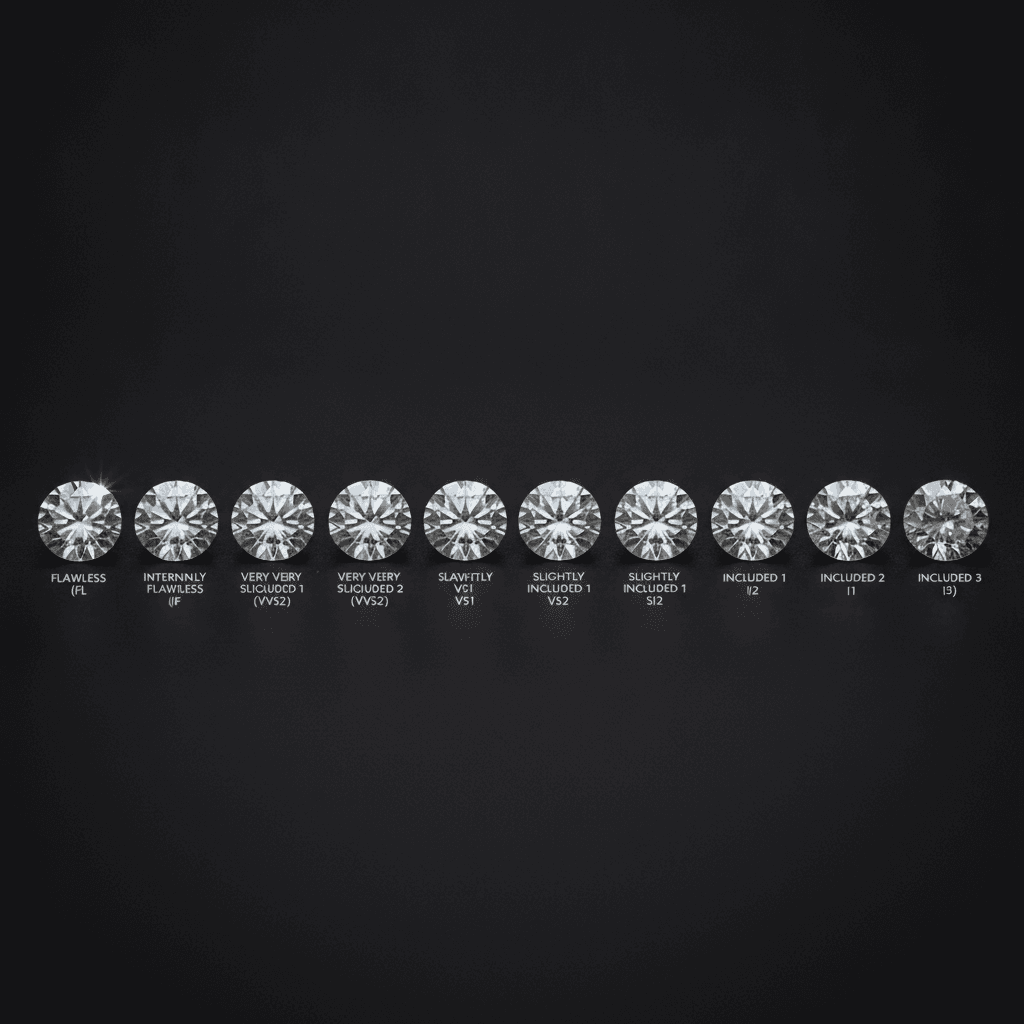
Diamond Clarity Grades Explained: FL, IF, VVS, VS, SI, and I
The GIA clarity scale contains 11 grades based on inclusions and blemishes assessed by skilled graders at 10× magnification. Learn what each category means, what eye-clean does not mean, and how to read a report responsibly.
Read guideSources and further reading
This guide summarizes the official and institutional references below. Open the original source for its full scope, jurisdiction, definitions, and updates.
Gemological Institute of America
Gem EncyclopediaGemological reference for properties, quality factors, treatments, and care considerations.
https://www.gia.edu/gem-encyclopedia
Gemological Institute of America
Why GIA grading reports matterExplains that a grading report records gem characteristics and is not an appraisal of financial value.
https://www.gia.edu/why-gia-grading
Gemological Institute of America
GIA jewelry reportsDescribes the observations and testing possible for mounted jewelry, including limitations created by settings.
https://www.gia.edu/gem-lab-service/jewelry
U.S. Federal Trade Commission
Jewelry GuidesOfficial guidance on truthful descriptions of jewelry materials, qualities, treatments, and origins.
https://www.ftc.gov/news-events/topics/tools-consumers/jewelry-guides
Continue your research
Start with a structured photo screen
Capture the whole piece, every mark, construction details, and condition. The photo tool will organize visible clues and tell you where uncertainty remains.
Scan a jewelry photo