Authentication is an evidence problem, not a single-image verdict. Photos can surface useful clues and inconsistencies, but many decisive properties require magnification, measurements, instruments, or maker-specific expertise.
Match the next step to the stakes: informal curiosity, a resale decision, insurance documentation, a gemological question, and a legal or tax matter do not require the same kind of report.
Questions this section can help answer
- Which claim are you trying to verify: material, gemstone, maker, period, or value?
- What evidence is visible, and what can only be tested in person?
- Do you need a gemological report, a qualified appraisal, or specialist attribution?
Authentication articles
Every entry below passes the article-specific source, provenance, and index-approval gates.
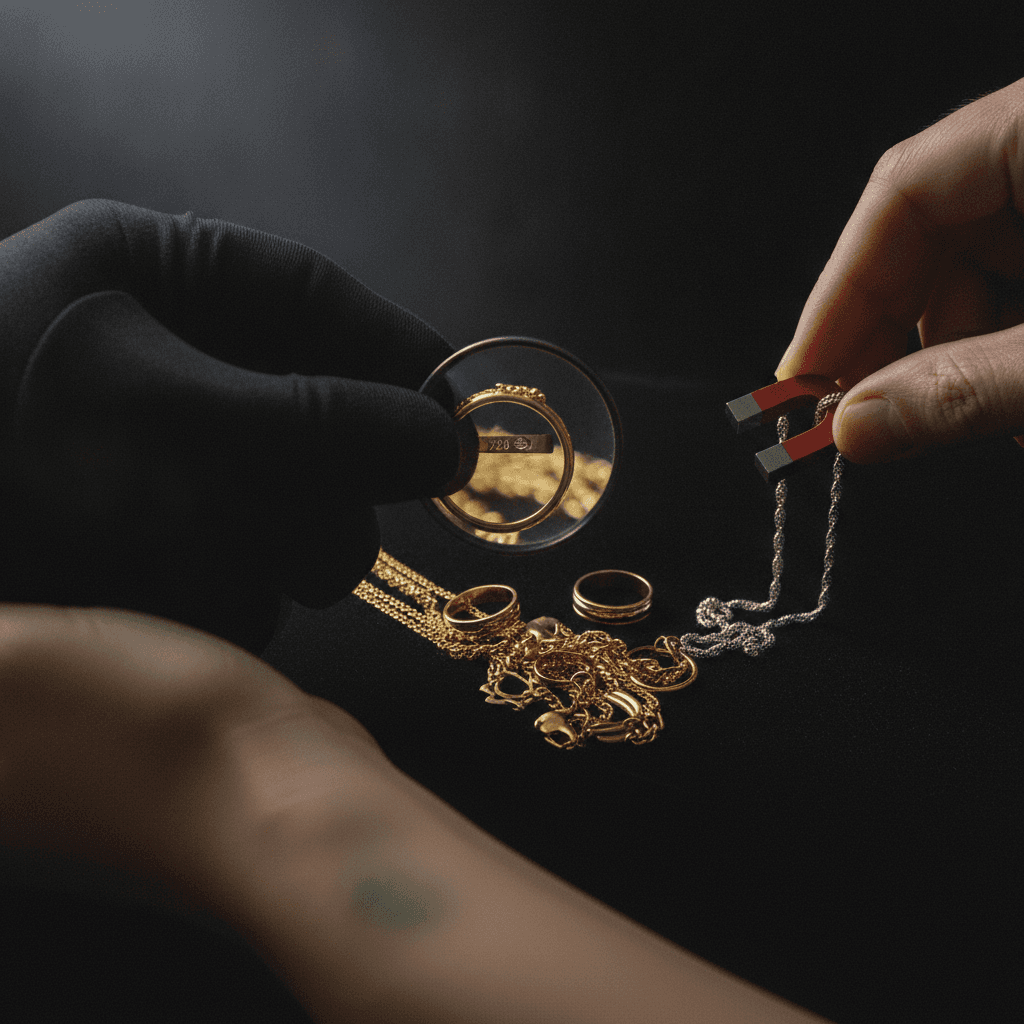
How to Test Gold and Silver Jewelry: What Each Method Can Prove
Hallmarks, magnets, visual inspection, touchstone testing, and XRF provide different kinds of evidence. Learn why common home tests cannot verify precious-metal purity and when professional testing is worth using.
Read guide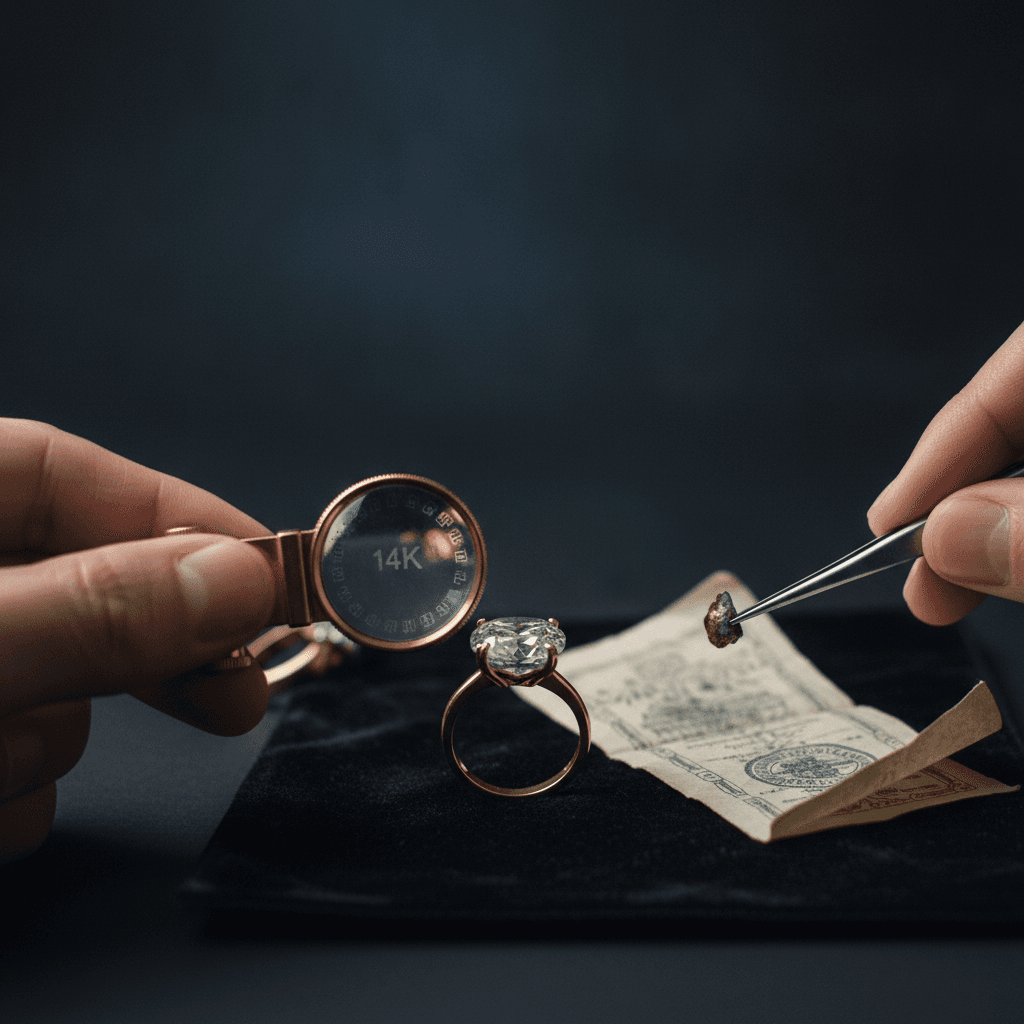
How to Check a Jewelry Listing Before You Buy Online
A low price or polished certificate is not proof that jewelry is genuine. Use this evidence-first checklist to evaluate seller identity, item photographs, material claims, reports, return terms, and payment protection.
Read guide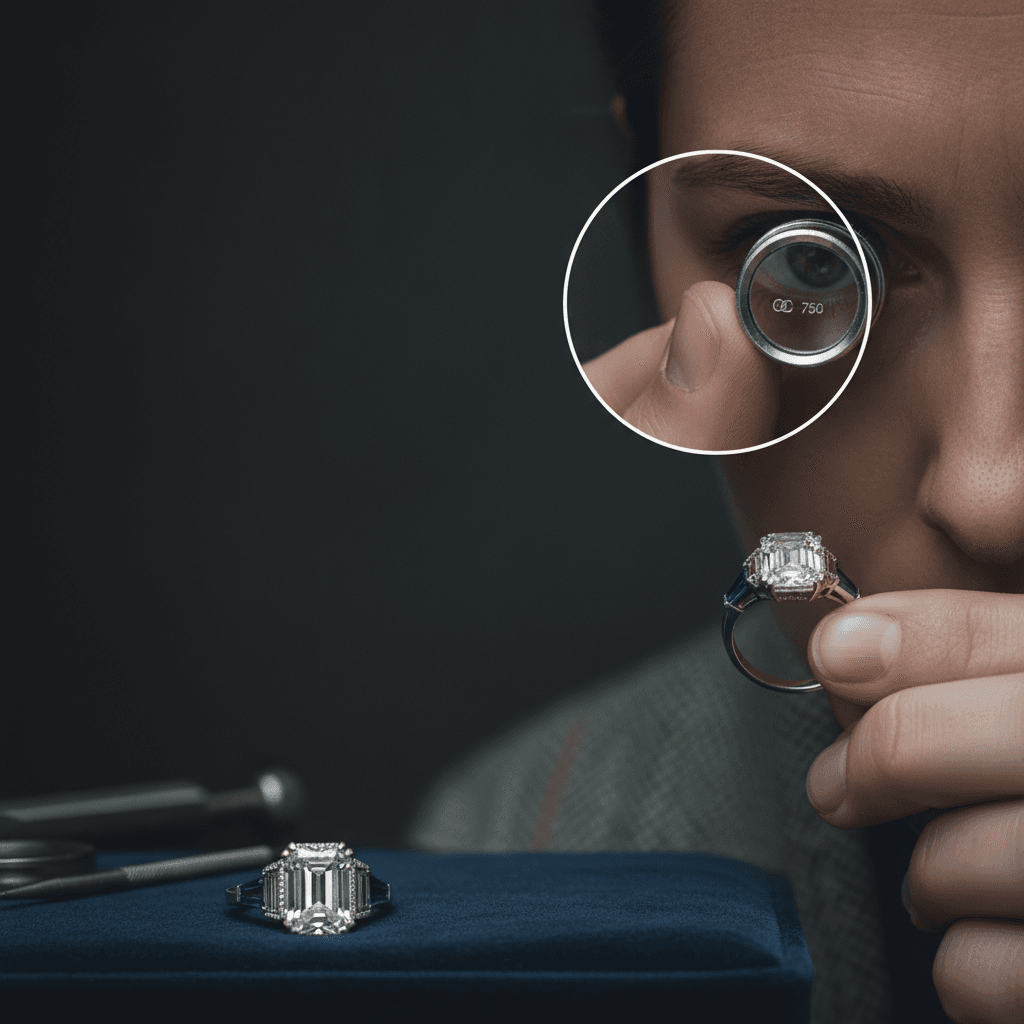
Buying Estate Jewelry at Auction or From a Dealer: An Evidence Checklist
Estate jewelry is simply pre-owned; it is not automatically antique or authenticated. Compare catalog language, condition, marks, reports, fees, return rights, and independent testing before you bid or buy.
Read guide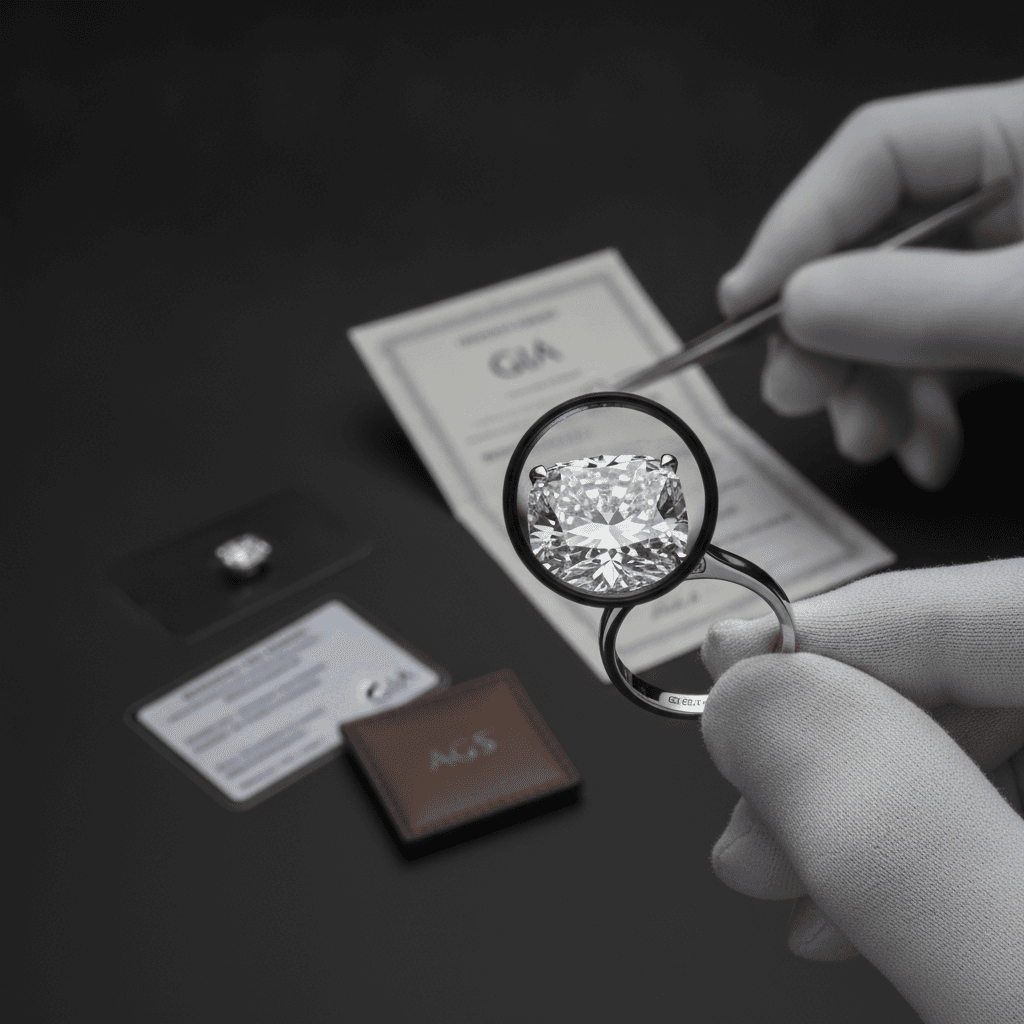
Diamond Grading Reports: GIA, AGS Ideal, IGI, and What to Verify
Diamond “certificates” are laboratory opinions, not guarantees or appraisals. Learn what current GIA, AGS Ideal, and IGI reports cover, how to verify a report number, and how to match a report to a stone.
Read guide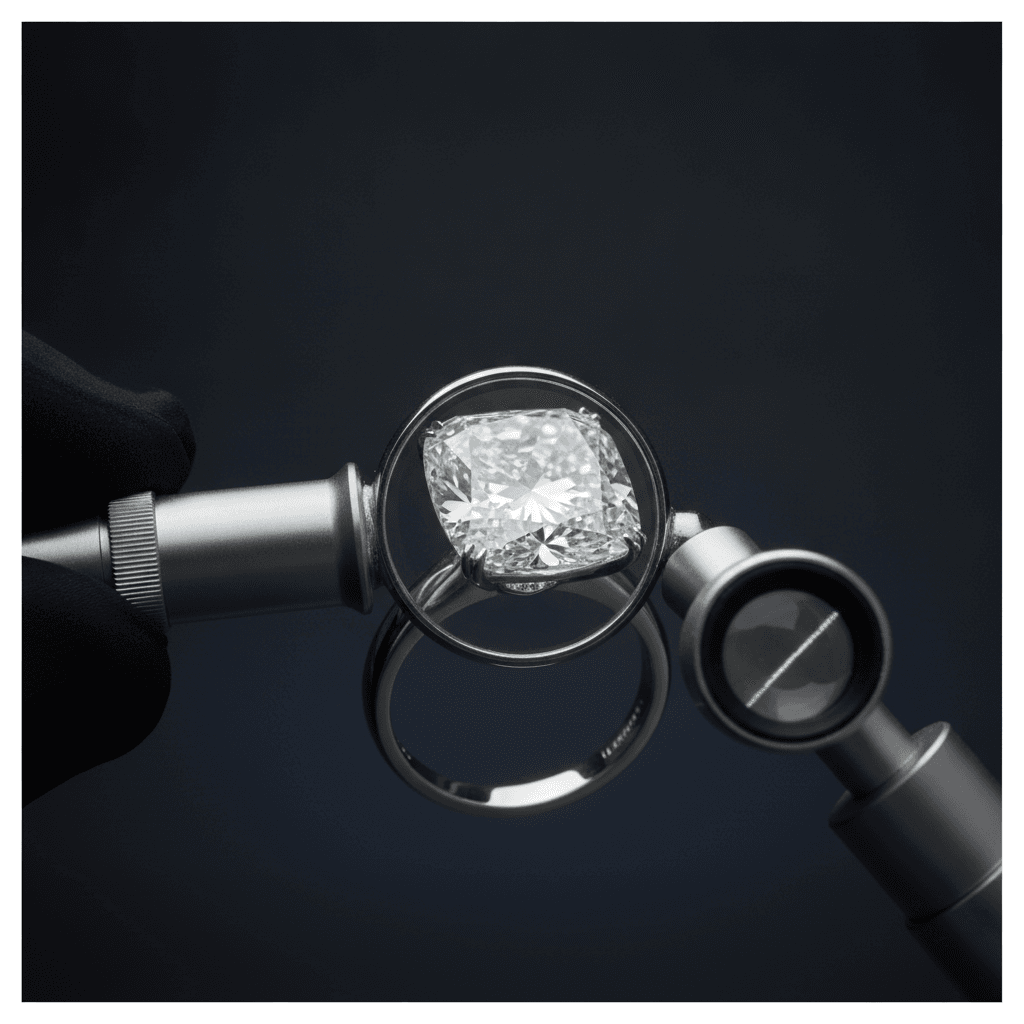
GIA Lab-Grown Diamond Reports: Current Terms and Verification
GIA now uses Premium or Standard quality assessments for qualifying colorless-to-near-colorless laboratory-grown diamonds. Learn how to read current and older documents, verify a report, and separate origin from appearance.
Read guide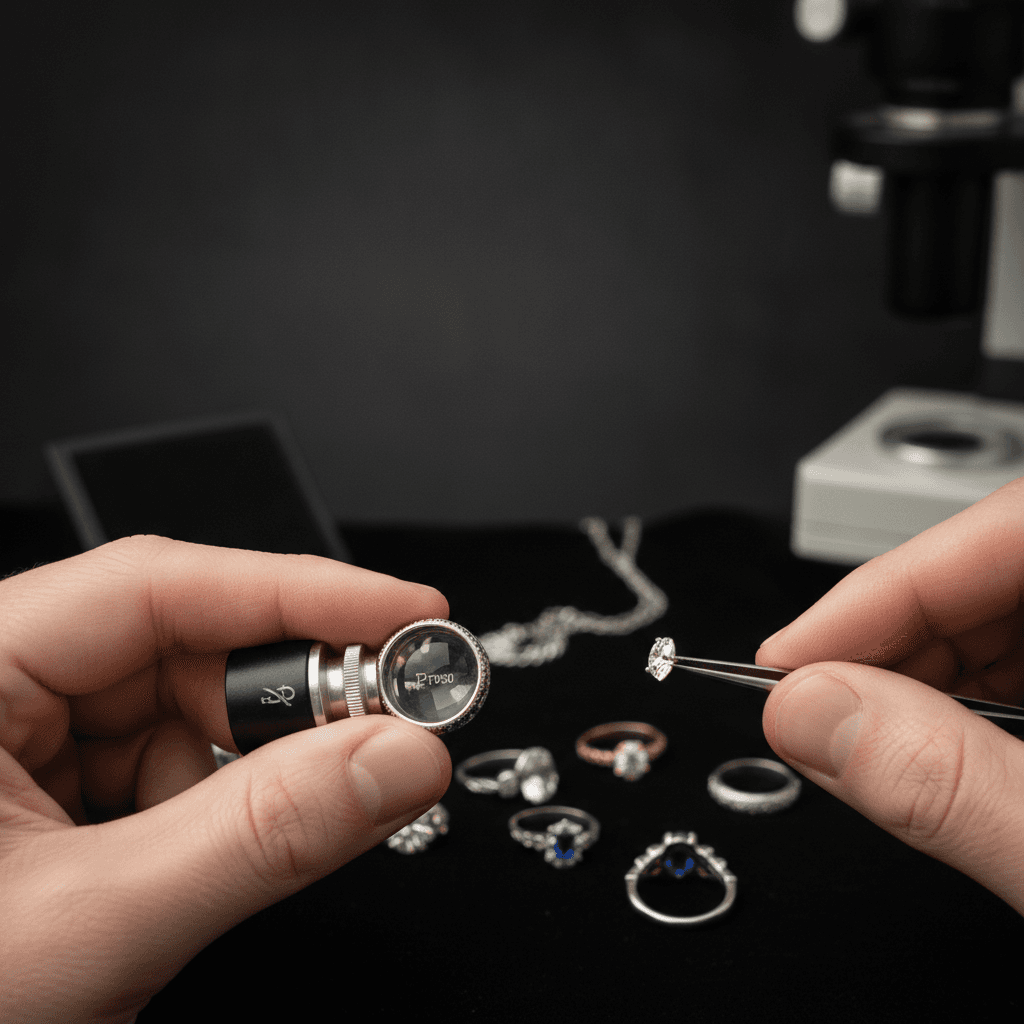
What a Jewelry Appraisal Should Include and How to Choose an Appraiser
A useful jewelry appraisal identifies the exact item, assignment purpose, effective date, market, condition, evidence, method, assumptions, and appraiser. Use this checklist before accepting a one-page value estimate.
Read guide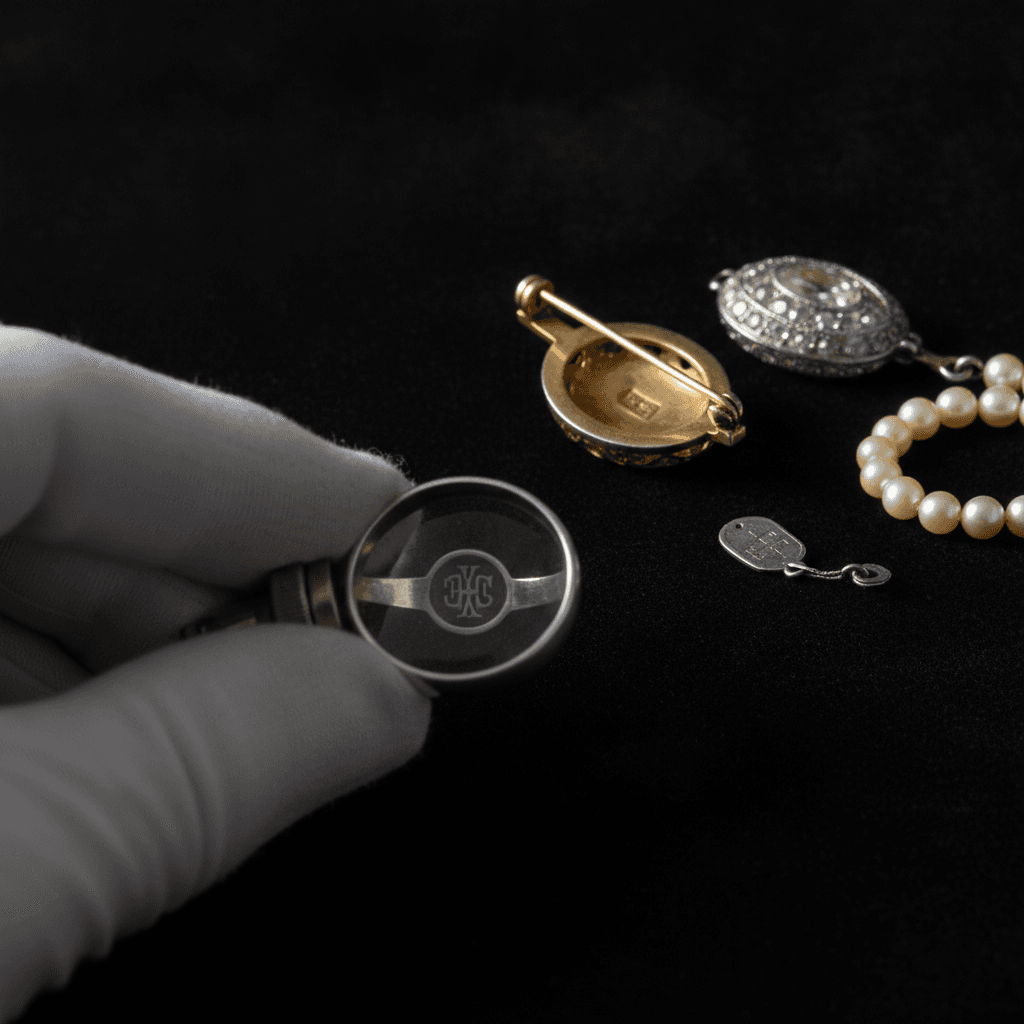
Buying Vintage Jewelry: How to Evaluate an Age or Maker Claim
Style, patina, a clasp, or a hallmark can support research but cannot date jewelry alone. Learn how to evaluate vintage listings through construction, marks, repairs, provenance, seller terms, and independent examination.
Read guide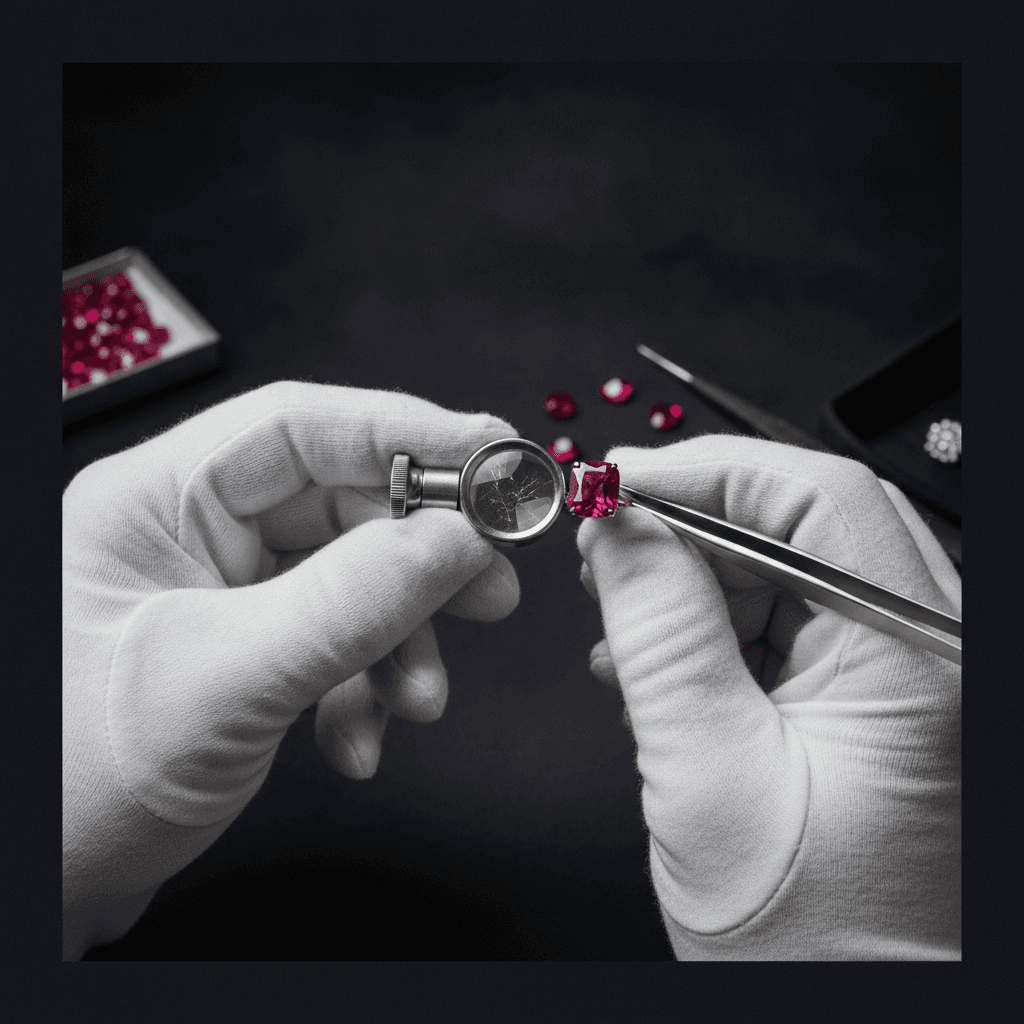
Gemstone Treatment Disclosure: What Buyers Should Ask and Record
Heat, filling, dye, coating, irradiation, and other treatments can affect appearance, care, and value. Learn the U.S. disclosure framework, why treatment prevalence should not be guessed, and how reports support a purchase.
Read guide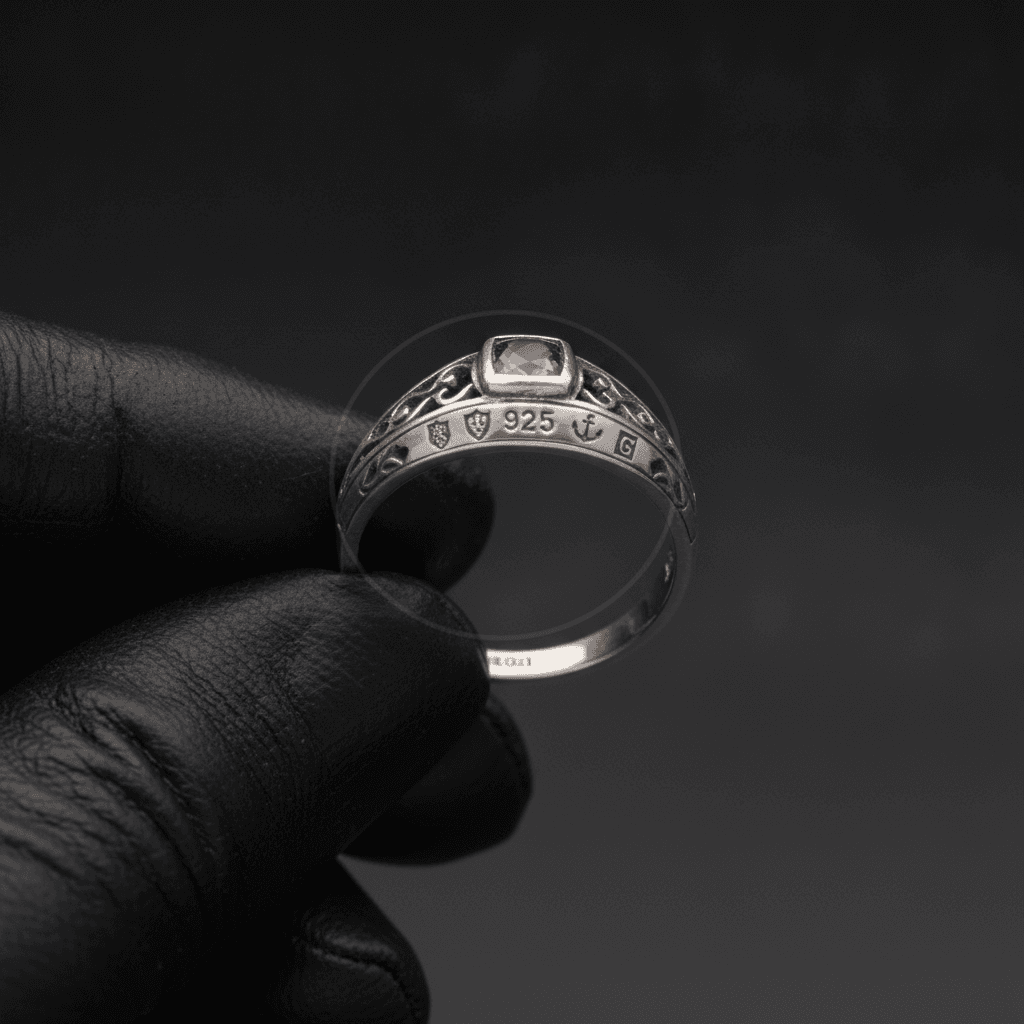
How to Read Jewelry Hallmarks, Quality Marks, and Maker Marks
A fineness number, maker mark, and official hallmark are not interchangeable. Learn how to photograph a full mark set, identify its jurisdiction, and use each component as evidence without treating a stamp as proof of age or value.
Read guide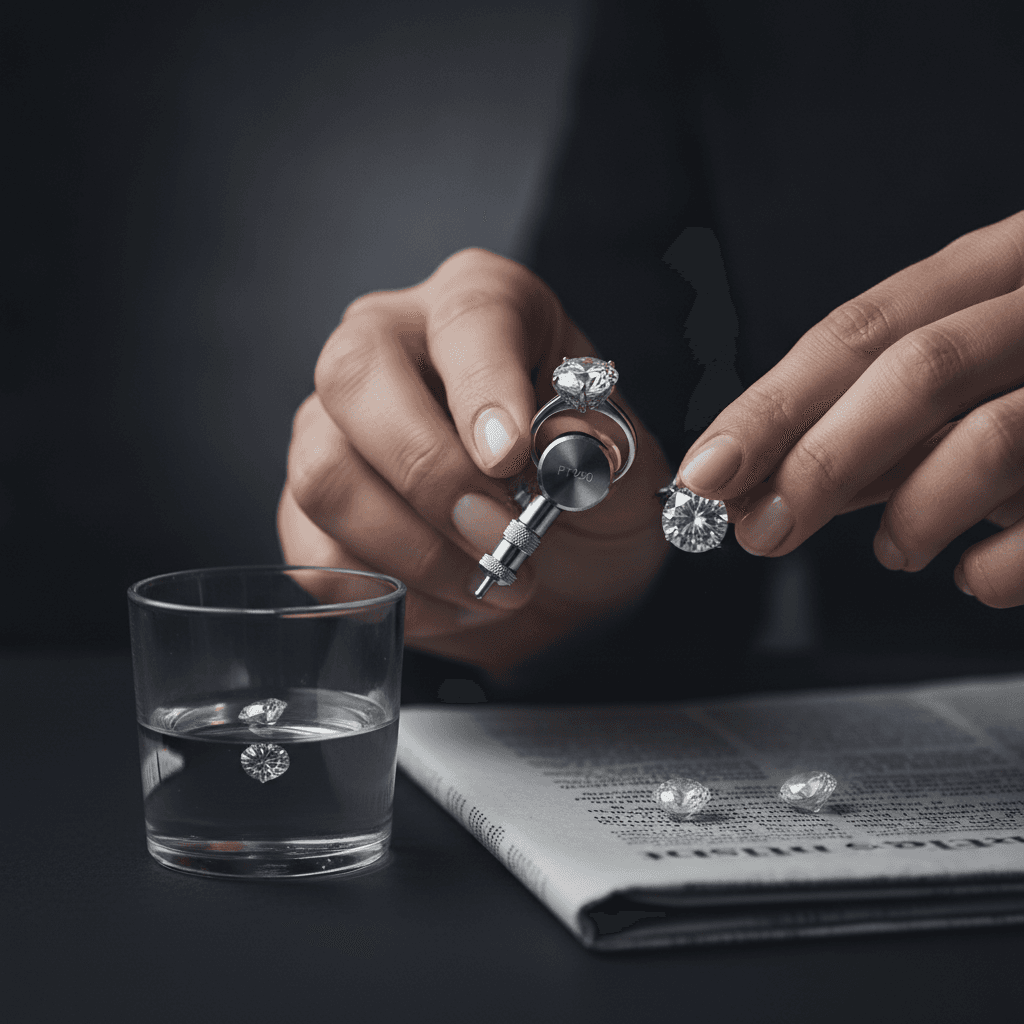
Can You Tell If a Diamond Is Real at Home? What Common Tests Miss
Fog, water, newspaper, sparkle, and setting checks cannot conclusively identify a diamond. Learn what those observations can and cannot tell you, which risky DIY tests to avoid, and when independent gemological testing is the responsible next step.
Read guideSources and further reading
This guide summarizes the official and institutional references below. Open the original source for its full scope, jurisdiction, definitions, and updates.
Gemological Institute of America
Why GIA grading reports matterExplains that a grading report records gem characteristics and is not an appraisal of financial value.
https://www.gia.edu/why-gia-grading
Gemological Institute of America
GIA jewelry reportsDescribes the observations and testing possible for mounted jewelry, including limitations created by settings.
https://www.gia.edu/gem-lab-service/jewelry
U.S. Federal Trade Commission
Jewelry GuidesOfficial guidance on truthful descriptions of jewelry materials, qualities, treatments, and origins.
https://www.ftc.gov/news-events/topics/tools-consumers/jewelry-guides
UK Government
Hallmarking is the law: guidance summaryExplains compulsory elements of a UK hallmark and how fineness is expressed in parts per thousand.
https://www.gov.uk/government/publications/hallmarking-guidance-notes/hallmarking-is-the-law-guidance-summary
Continue your research
Start with a structured photo screen
Capture the whole piece, every mark, construction details, and condition. The photo tool will organize visible clues and tell you where uncertainty remains.
Scan a jewelry photo